Rodríguez assured that the releases include those over 70 years old, minors, pregnant women, and detainees with health problems. However, the announcement comes in a context of strong international pressure and after new scandals related to political prisoners who died in state custody.
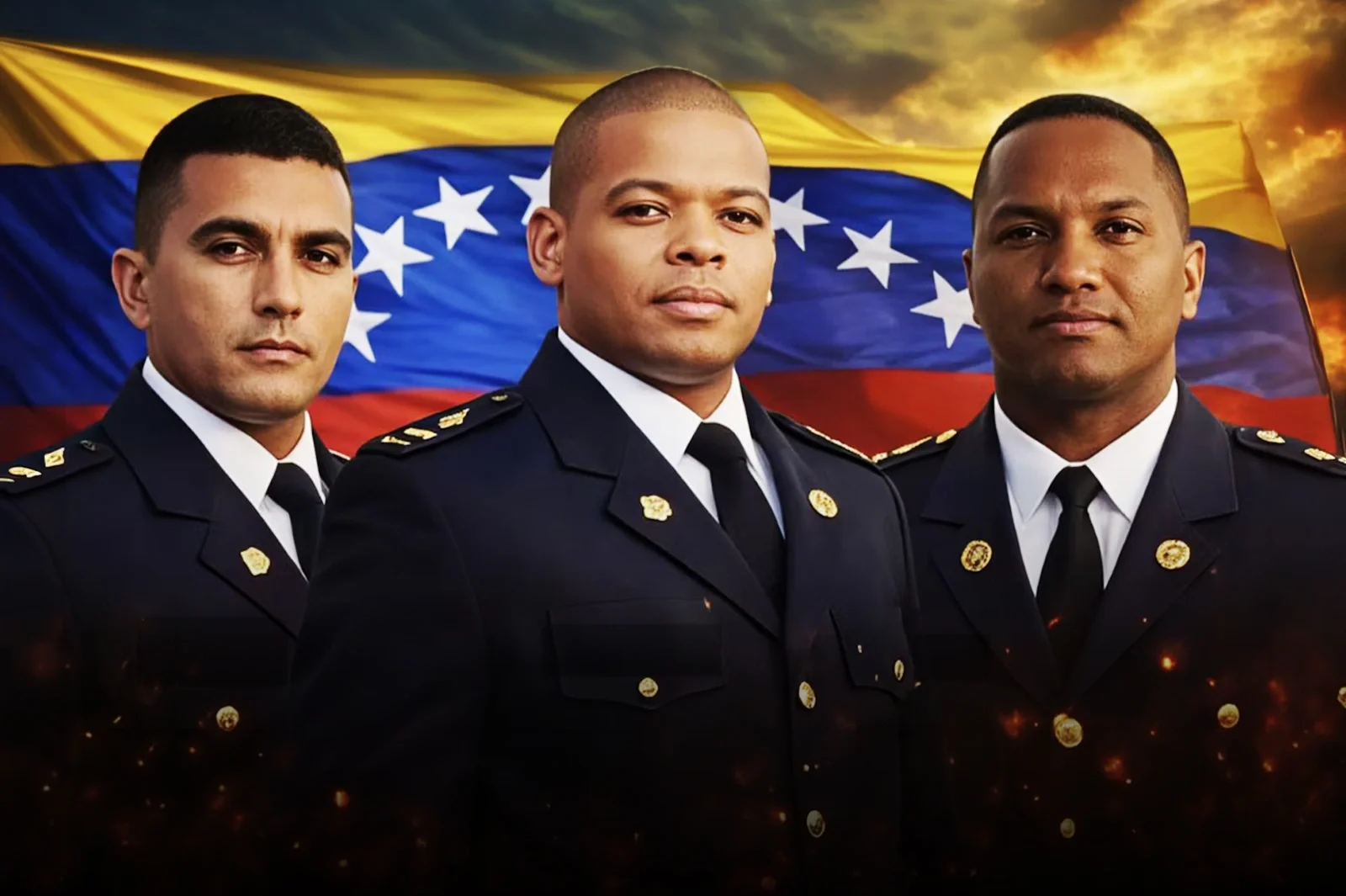
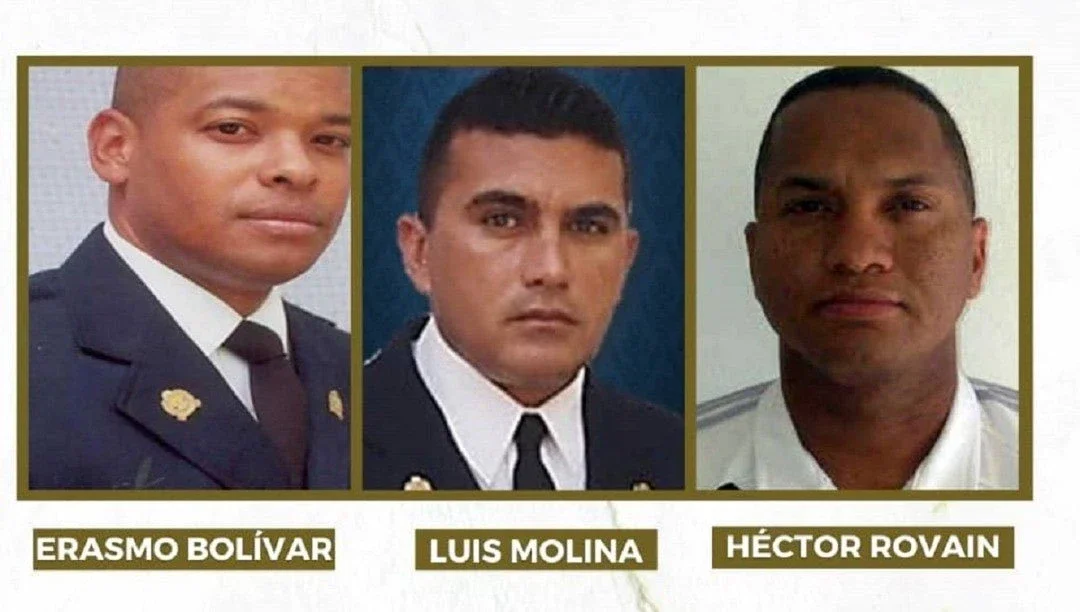
The chavista dictatorship of Venezuela released this Tuesday the former metropolitan police officers Héctor Rovaín, Erasmo Bolívar, and Luis Molina, who had been imprisoned for over two decades in one of the most emblematic cases of political persecution by the regime initiated by Hugo Chávez and continued by Nicolás Maduro.
The release was confirmed by the Committee for the Freedom of Political Prisoners, an organization that celebrated the reunion of the former officials with their families after 23 years of political imprisonment. The three police officers had been detained following the events of April 2002 and since then became symbols of the use of the Venezuelan judicial system as a tool for political discipline.
The released political prisoners, while they were still in service.
“Their case is part of the first emblematic files of a judicial system that began to be instrumentalized to persecute dissent,” the organization expressed in a statement. It also warned that this mechanism of persecution later expanded to thousands of Venezuelans, consolidating “a machinery that violates the Constitution and the fundamental guarantees of the rule of law.”
The measure was announced by Jorge Rodríguez, president of the illegitimate chavista National Assembly and one of the most powerful men in the regime. He indicated that between this week and Friday, 300 people deprived of liberty will be released under various “judicial benefits”.
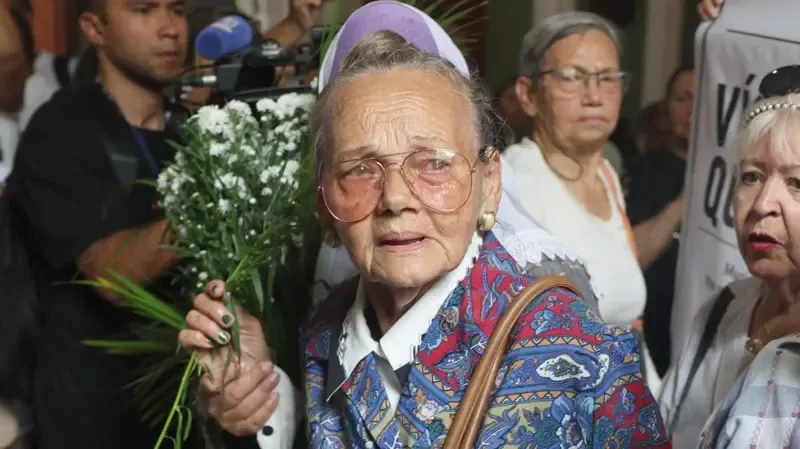
In recent days, the case of Víctor Hugo Quero Navas generated shock both inside and outside Venezuela. The political prisoner died in July 2025 inside the Rodeo I prison, although the regime concealed the information for almost ten months. His mother, Carmen Navas, traveled through prisons and public agencies demanding answers until she officially learned of her son's death. Shortly after, she also passed away.
Carmén Navas, at a mass in memory of her son just days before passing away.
The regime only confirmed the case on May 7, when it reported that Quero had died after suffering respiratory complications due to a pulmonary thromboembolism. The revelation once again highlighted the allegations of torture, medical neglect, and forced disappearances.
Meanwhile, various human rights organizations maintain that chavismo keeps hundreds of political prisoners in Venezuelan prisons. According to records from international NGOs, since 2014 there have been more than 18,500 political detentions under the chavista-madurista dictatorship.