The decision to move forward with this investment comes after senior executives of the company recently highlighted positive signals in the Argentine economy.
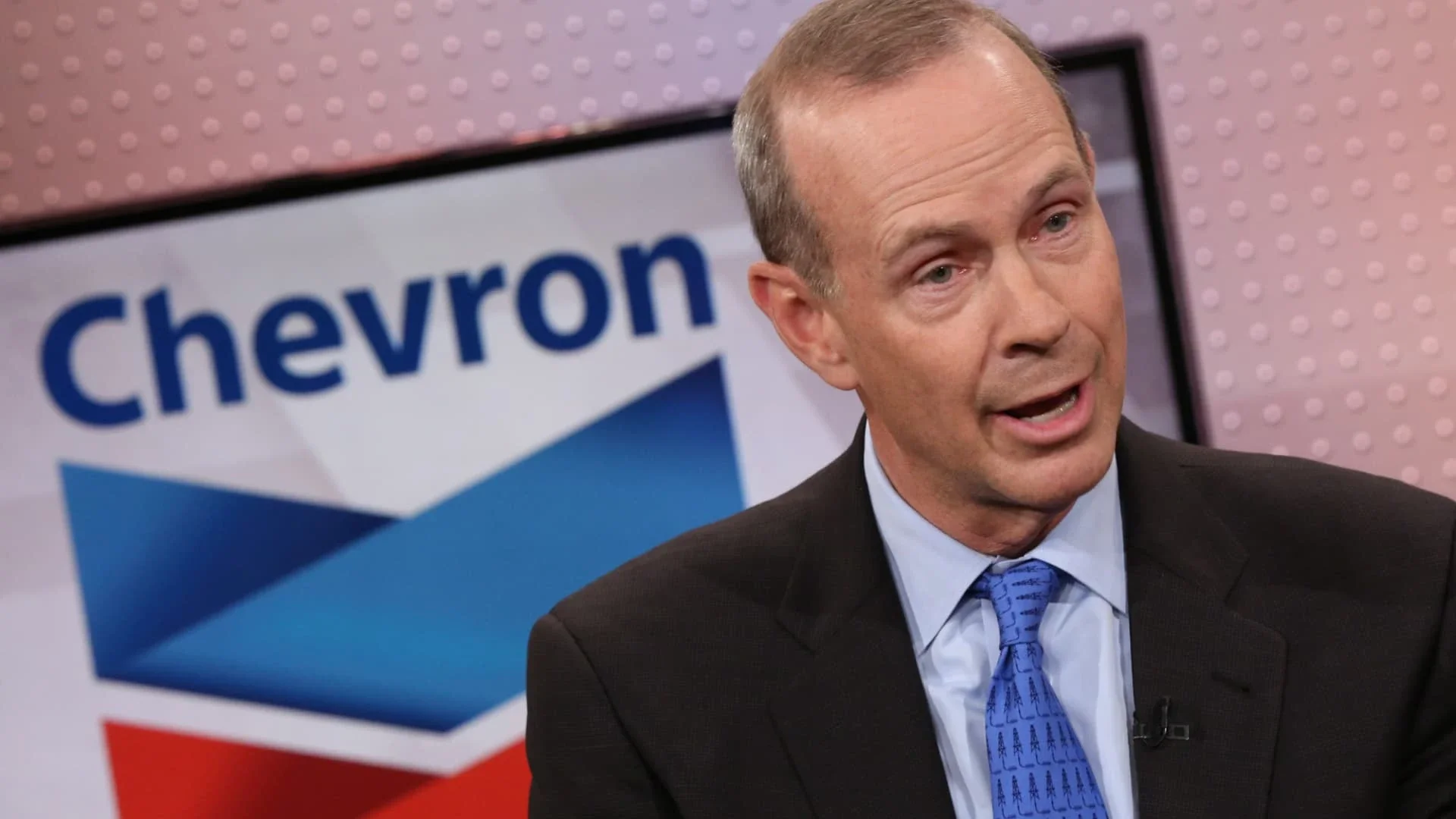
In March, during his participation in CERAWeek by S&P Global held in Houston, Chevron's global CEO, Mike Wirth, referred to the evolution of the investment climate in the country.
In this context, the executive emphasized the energy potential of Argentine territory by stating: “The geology is excellent.” He also pointed out that the historical difficulties of the country were not related to resource availability, but to structural factors: “The challenge in Argentina has always been more above ground.”
Wirth also stated that some of the main obstacles affecting investment, such as restrictions on importing equipment, limitations on exporting production, and certain aspects of the labor framework, have begun to be systematically addressed.
In this line, he added: “Our satisfaction with the geology is great, and I would expect that, over time, we see sustained progress in the local environment.”
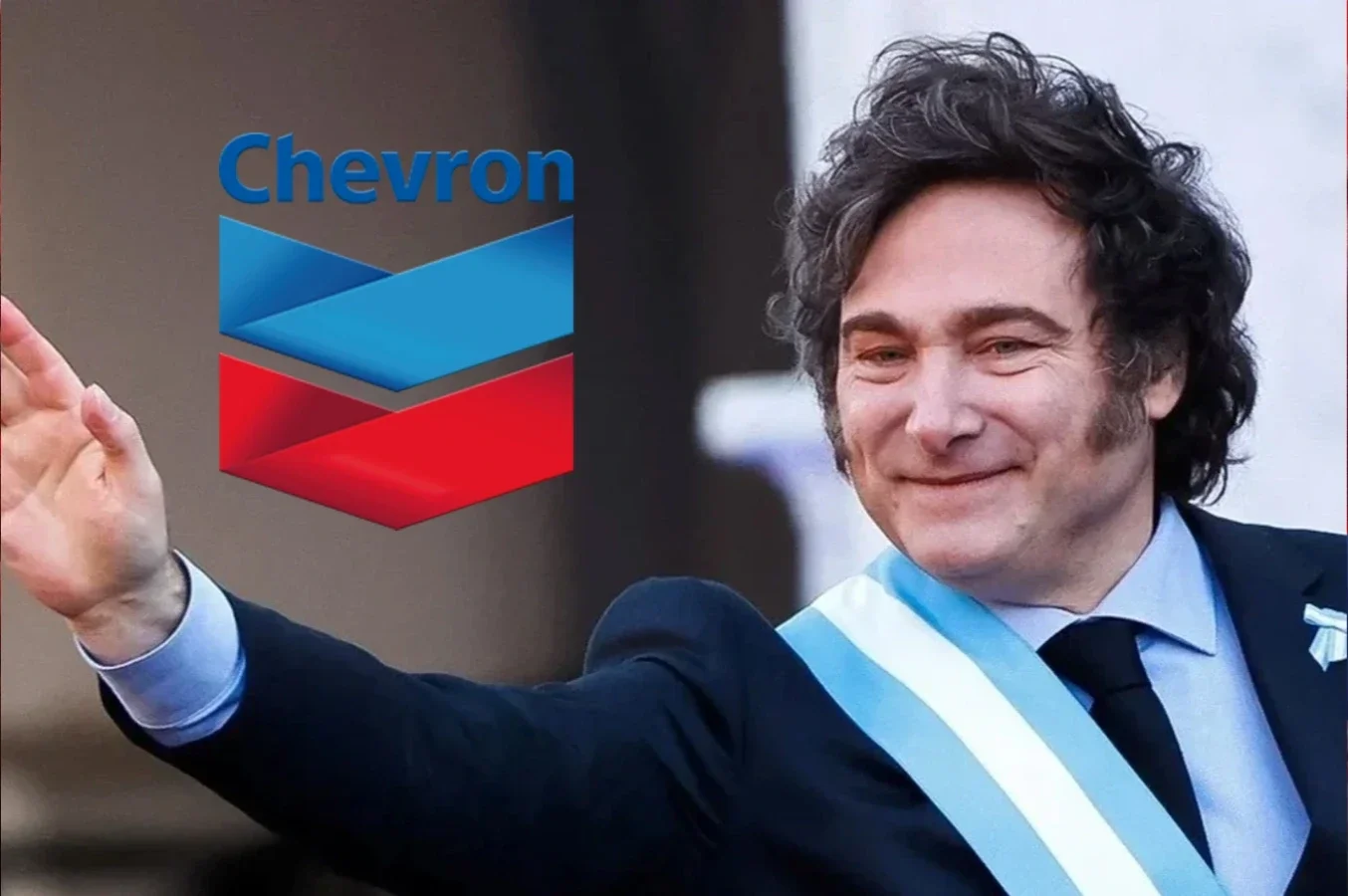
During his presentation, Chevron's CEO also highlighted the role of President Javier Milei in this process, noting that his policies aim to “improve the investment capacity” in Argentina.
The announcement of this new project is set against a backdrop of growing international interest in Argentina's energy potential, where Vaca Muerta continues to position itself as a central axis for economic development and the attraction of large-scale investments.
The American oil company Chevron presented a mega investment project in Argentina for USD 13.8 billion under the Large Investment Incentives Regime (RIGI), with the aim of expanding the development of the El Trapial area, located in Vaca Muerta.
The initiative marks a new step in the company's consolidation in the country and occurs in a context where the firm recognizes the significant improvements in investment conditions thanks to the reforms of the Government of Javier Milei.
According to the company itself, the request was submitted this Tuesday under the RIGI scheme, the key tool promoted by the Government to encourage capital inflow into strategic sectors.
In this regard, Chevron valued the recent changes in Argentina and stated in a press release: “Chevron recognizes the efforts of the Argentine government for the significant progress made in the development of Argentina's energy resources. Frameworks like the RIGI, which contribute to regulatory predictability and encourage long-term investment decisions, are key steps for Argentina's energy industry.”
The CEO of Chevron.
The Chevron Initiative
The project focuses on the development of the El Trapial block, where the company already has operations, and reinforces its positioning within Vaca Muerta, one of the most relevant unconventional formations globally.
Additionally, Chevron holds a non-operating 50% stake in the Loma Campana and Narambuena concessions, areas it develops alongside YPF, the country's main hydrocarbon producer.