The operation caused tensions between Mexico and the United States and generated an internal war within the Sinaloa cartel between ''Los Mayos,'' linked to the structure of ''El Mayo'' Zambada, and ''Los Chapitos,'' the heirs of Guzmán. The confrontation has led to a significant escalation of violence in Sinaloa and has accelerated the fragmentation of an organization that for years was one of the most powerful in the world.
This phenomenon is also observed in other historical leaders of Mexican drug trafficking, such as Vicente Carrillo Fuentes and Rafael Caro Quintero. The pursuit of these figures intensified after the assassination of DEA agent Enrique Camarena in 1985, a case that spurred greater cooperation between Mexico and the United States against the major cartels.
Ismael ''El Mayo'' Zambada was sentenced to life in prison in the United States on Monday, a sentence that marks the end of the criminal career of one of the last great historical leaders of Mexican drug trafficking and simultaneously signifies the closure of an era dominated by all-powerful kingpins capable of controlling enormous organizations, corrupting institutions, and openly challenging the State.
The historic leader of the Sinaloa cartel received the same sentencethat was imposed years ago on his former partner and co-founder of the organization, Joaquín ''El Chapo'' Guzmán. Federal Judge Brian Cogan, responsible for both sentences, also ordered the confiscation of $15 billion, an amount that represents the profits that the United States estimates the Sinaloa cartel obtained and which Zambada previously accepted as appropriate.
The sentence represents the end of a criminal career that began when Zambada was just 19 years old. In 1969, according to the drug trafficker himself when he pleaded guilty in the United States in August 2025, he began to cultivate marijuana in the mountains of Sinaloa with a friend. He hid the plants among corn crops and, although his first harvest was below his expectations, he managed to obtain about 27 kilos of marijuana that he sold for approximately $400.
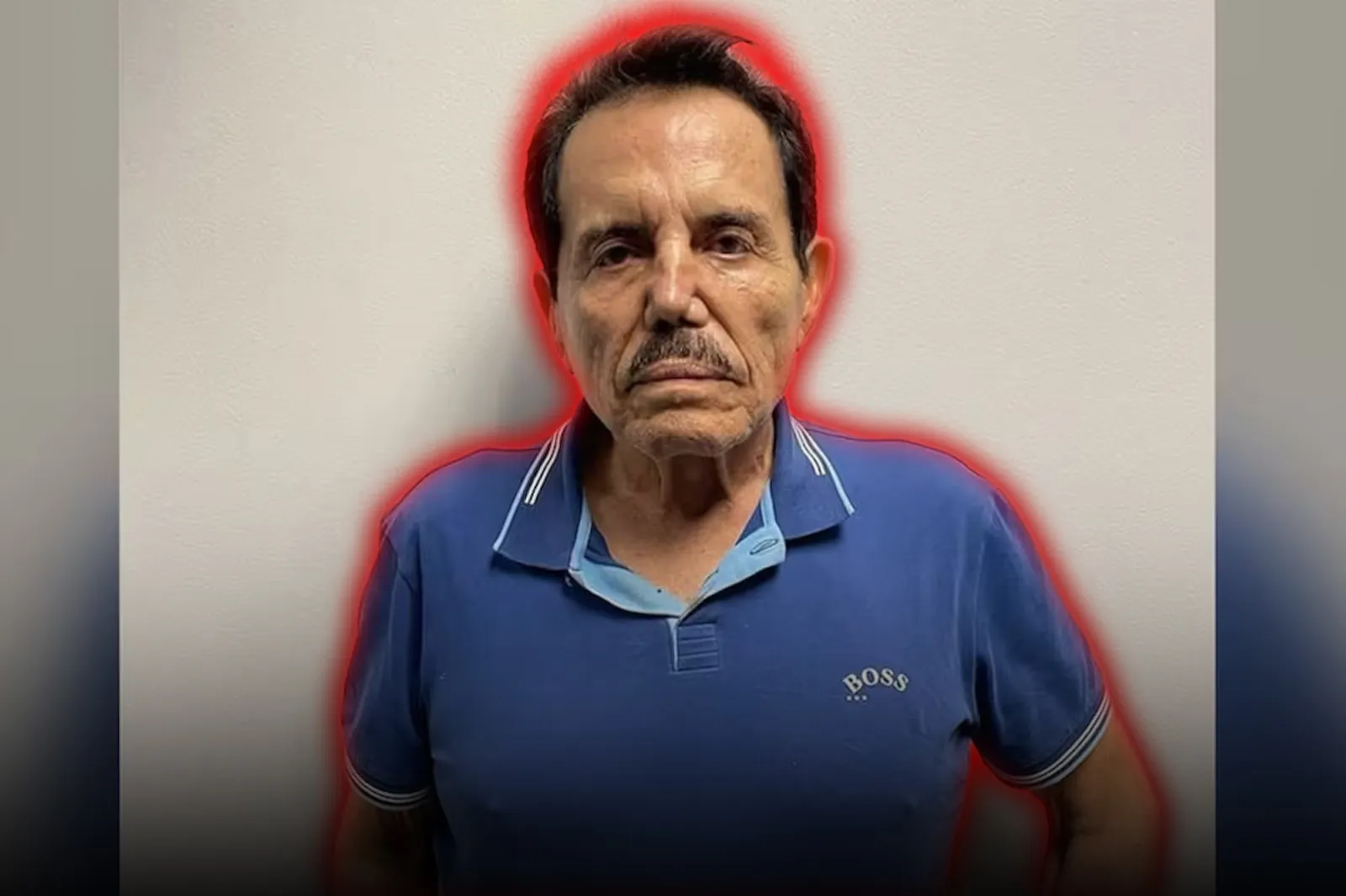
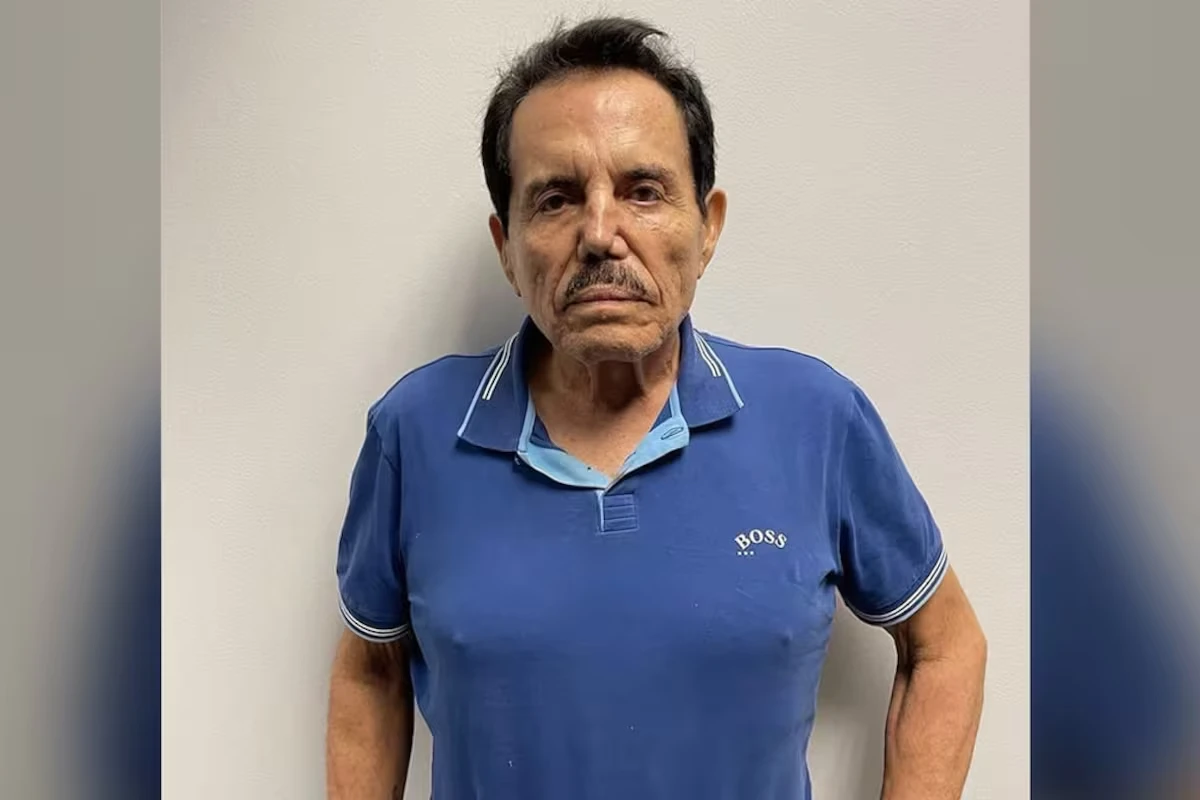
The drug trafficker, Ismael "Mayo" Zambada was sentenced to life in prison in the United States, marking the end of an era for drug trafficking
During the following decades, Zambada expanded his operations to become one of the main players in international drug trafficking. His organization came to control cocaine routes from South America to the United States and was considered by U.S. authorities as one of the largest criminal organizations in the world.
The alliance between ''El Mayo'' Zambada and ''El Chapo'' began to consolidate in the 1990s amid disputes between the major Mexican cartels. Both drug traffickers began to jointly invest in large shipments of cocaine and developed complex networks to transport tons of drugs to various U.S. cities.
According to testimonies presented before U.S. Justice, the operations used a wide variety of means of transportation, including trucks, planes, submarines, speedboats, and ships. The partnership allowed for the strengthening of the Sinaloa cartel's structure, which came to include transporters, territorial chiefs, money launderers, hitmen, and groups dedicated to the security of their leaders.
Although the criminal organization acquired an increasingly complex structure, Zambada and Guzmán maintained control over the main decisions for years. The cartel expanded its operations to different countries, corrupted officials, and engaged in violent confrontations with rival organizations.
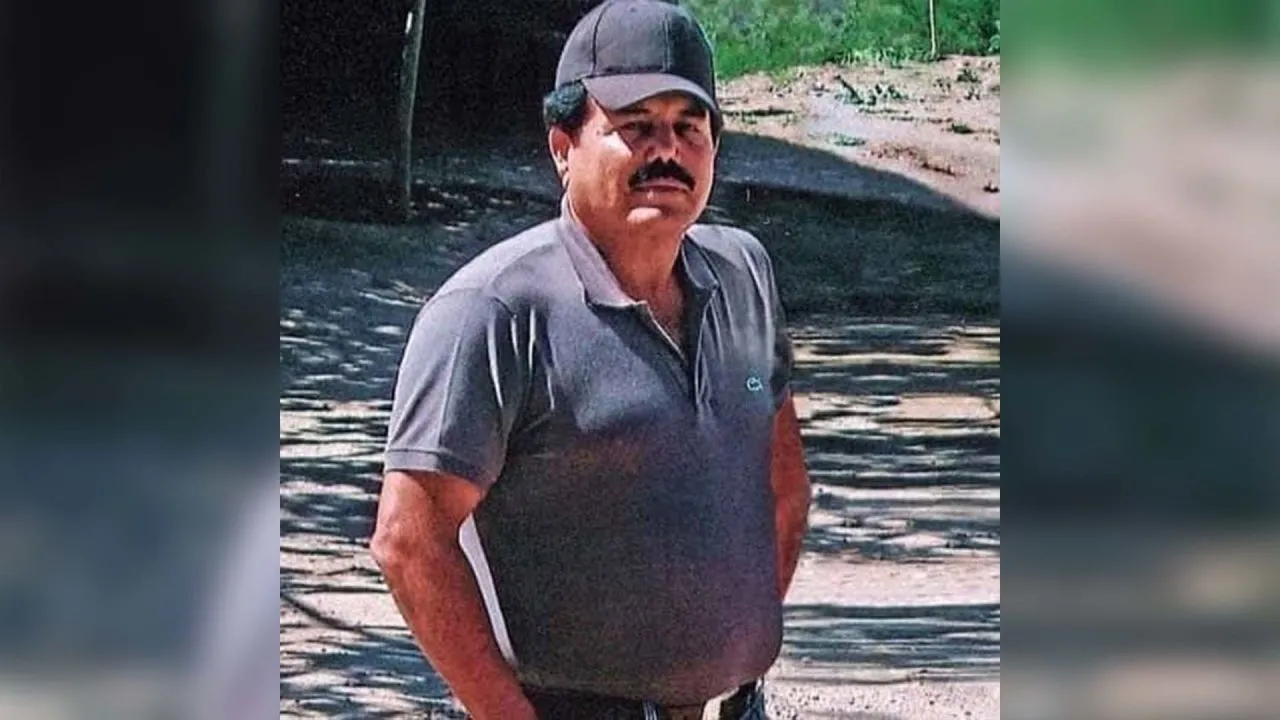
Both ''Mayo'' Zambada and Joaquín ''El Chapo'' Guzmán maintained control over the decisions made in the Sinaloa Cartel
However, the capture and conviction of its main leaders reflect the weakening of a generation of great kingpins who dominated Mexican drug trafficking for decades. Experts believe that the model of the single, all-powerful leader is disappearing, although that does not mean that organized crime has been defeated.
Zambada's fall in 2024 also had immediate consequences within the Sinaloa cartel itself. The drug trafficker was transferred to the United States after an operation that, according to known accounts, was allegedly organized by Joaquín Guzmán López, one of ''El Chapo'''s sons. Zambada was reportedly lured to a supposed business meeting, kidnapped, and flown to U.S. territory, where he ultimately came under the custody of authorities.
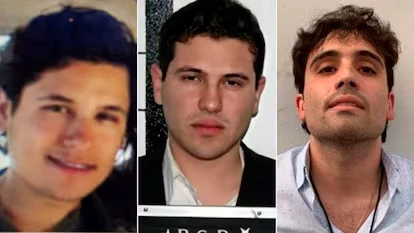
The United States announced more than twenty charges associated with "Los Chapitos," who have had intense confrontations with "Los Mayos"
The offensive intensified even further starting in 2006, when the Mexican government launched a war against drug trafficking and deployed the Armed Forces to combat criminal organizations. However, the strategy led to a spiral of violence that left hundreds of thousands dead and missing without managing to eliminate the drug trade.
The cartels also demonstrated a great capacity for adaptation. With the expansion of synthetic drugs, especially methamphetamine and fentanyl, criminal organizations began to fragment and develop more decentralized leadership structures.
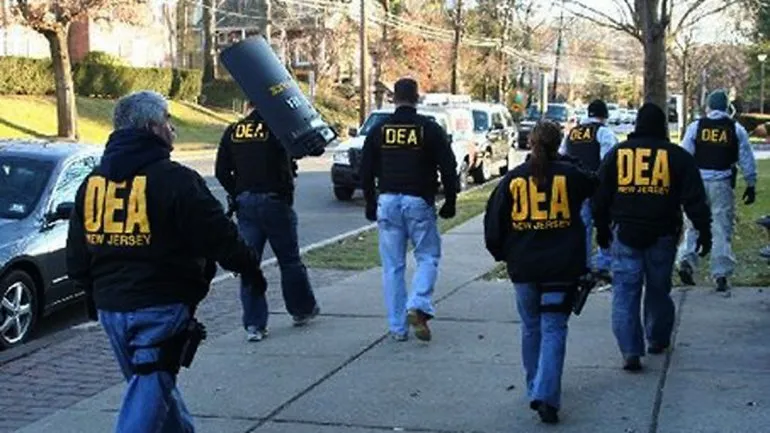
Ray Donovan, former head of operations at the DEA, argues that the current landscape is moving away from the era of the single kingpin. Criminal groups are now seeking more resilient and interconnected structures that allow them to maintain their operations even when their main leaders are captured or killed.
The DEA stated that a paradigm shift has occurred among the leadership of the various drug trafficking cartels
The difference between Zambada and ''El Chapo'' also reflects two opposing leadership styles. While Guzmán became a globally known figure for his prison escapes and media exposure, Zambada maintained a much more discreet profile for decades, avoiding public appearances and staying out of prison until his capture in 2024.
Despite the fall of both leaders, drug trafficking continues. A report recently indicated that the confrontations in Sinaloa and the military deployment driven by the government of the communist Claudia Sheinbaum do not appear to have significantly altered the supply of fentanyl.
The sentence against ''El Mayo'' Zambada thus represents the symbolic closure of an era, but not the end of drug trafficking. The great kingpins disappear and the organizations transform, while new actors fill the vacant spaces and develop new routes, production methods, and distribution mechanisms to keep a criminal business active that has demonstrated an extraordinary capacity for adaptation.
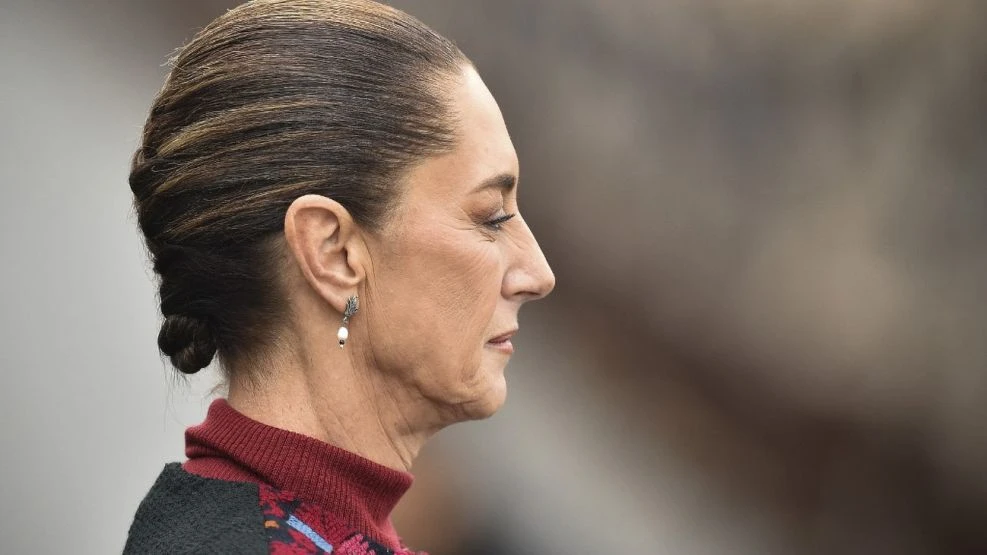
The measures of the communist president of Mexico, Claudia Sheinbaum, have fostered the growth and anarchy of drug trafficking