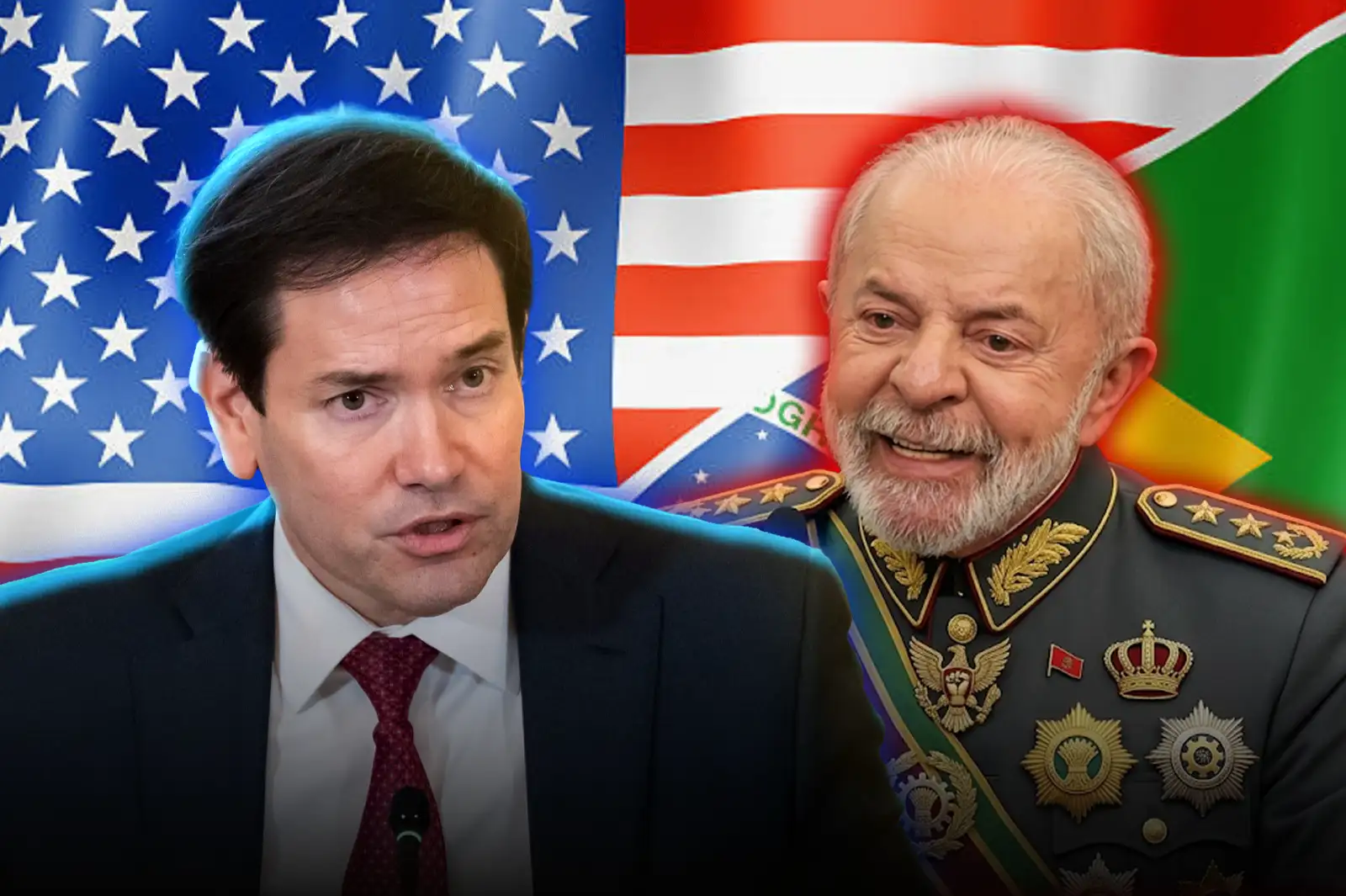








The dictator of Brazil, Luiz Inácio Lula da Silva, heightened tensions with the United States by accusing U.S. Secretary of State Marco Rubio of trying to electorally favor the right-wing Flávio Bolsonaro. During the national convention of the Labor Democratic Party, the socialist leader challenged the official of Donald Trump to travel to the country and “set up a committee” for his main opponent in the October elections.
The verbal offensive allows Lula to transform the deterioration of the bilateral relationship into a campaign tool. Under the argument of defending sovereignty, the president tries to establish that any international support for Bolsonarism constitutes interference in the Brazilian electoral process.

However, the president did not present any evidence of a Washington operation aimed at manipulating the vote. His accusation was mainly based on the public ties between the Republican government and the Brazilian opposition, as well as the criticisms made by Rubio against the Workers' Party administration.
The conflict deepened after the United States announced additional tariffs of 25% on a series of Brazilian exports. Rubio stated that Lula's government had not negotiated “in good faith” and blamed the president for the failure of the trade talks.

