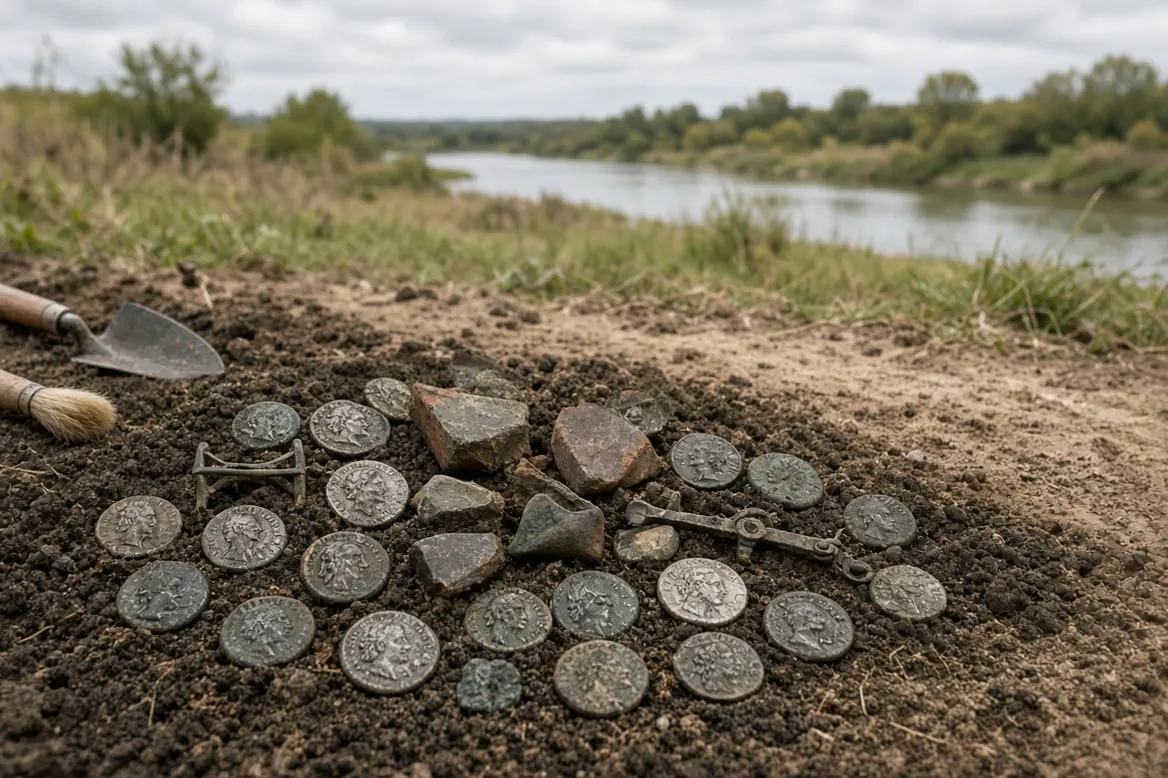






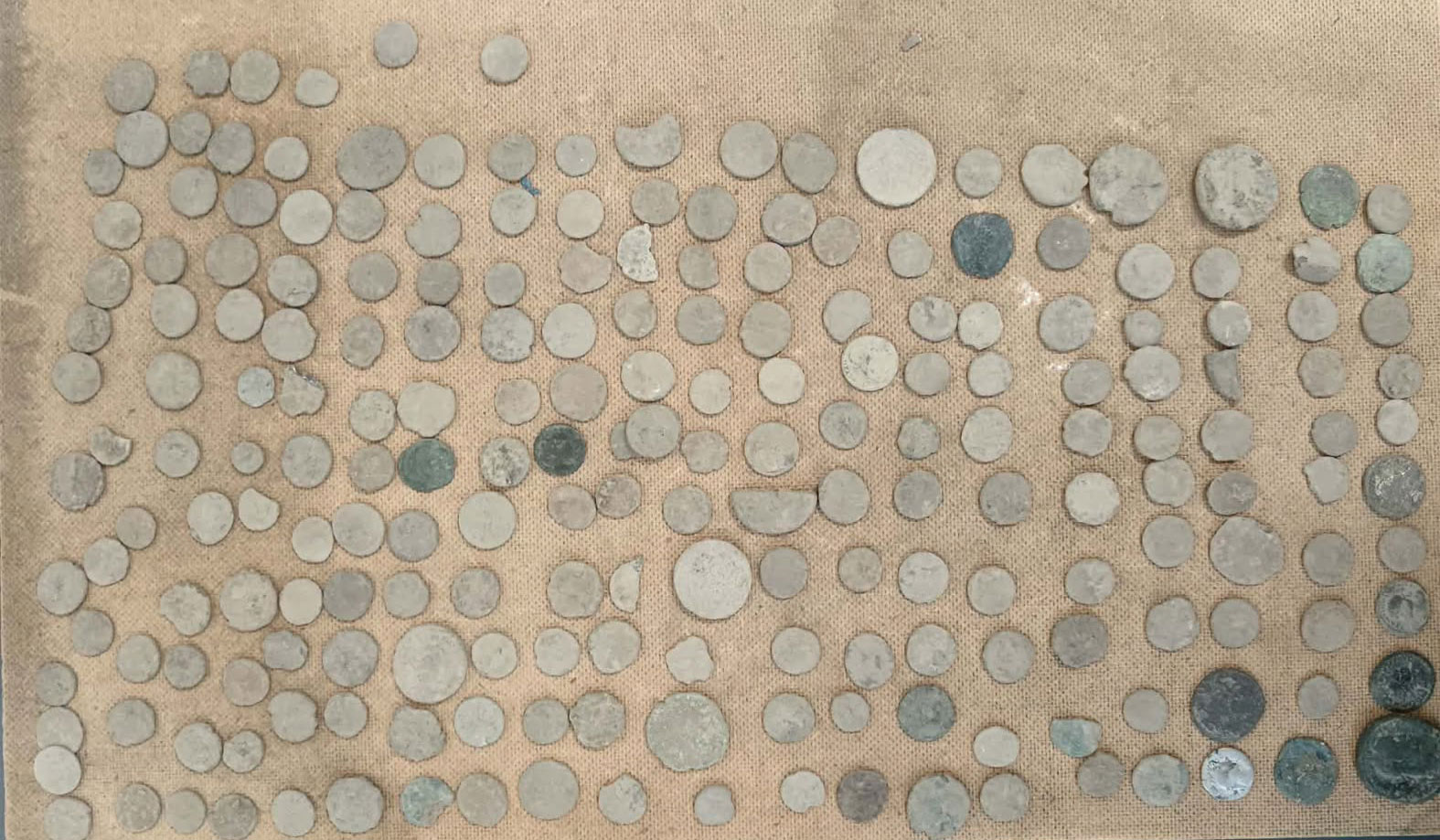
A team of archaeologists from the Rippl-Rónai Museum discovered more than seven hundred Roman coins at three sites located near the Drava River in southwestern Hungary. The finding, reported by local media, represents one of the most significant numismatic collections recovered in the region in recent years and offers new clues about the circulation of currency in the area during the Late Empire.
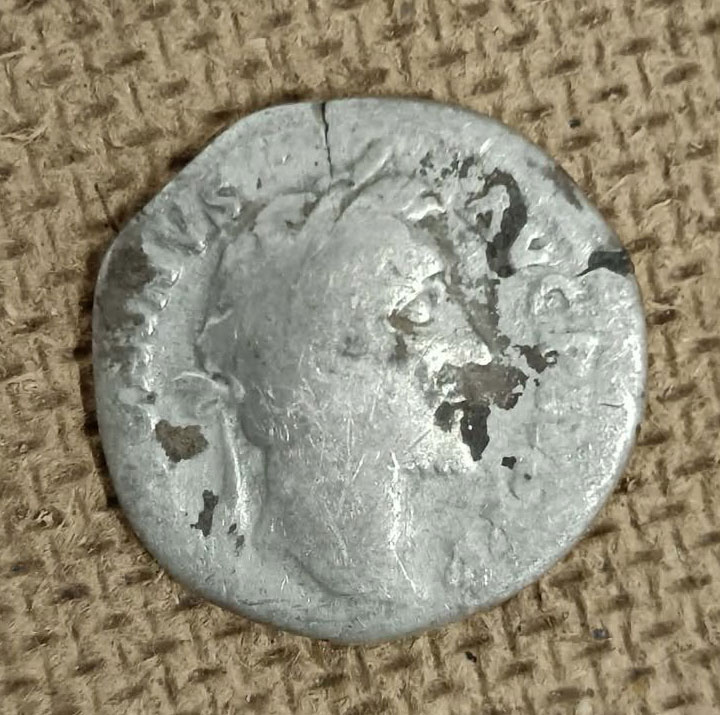
Most of the pieces were dated to the reign of Emperor Constantine, between the years 307 and 337. However, the collection also includes silver coins minted under earlier rulers, allowing for a broader chronological sequence. Among them, specimens corresponding to Antoninus Pius, Severus Alexander, Aurelian, and Probus were identified.
One of the most striking pieces is a coin known as a “consecration coin.” It is believed to have been minted to commemorate the death of Claudius II, who ruled from 268 to 270, and his subsequent deification. This type of emission had a strong symbolic and political character at the time.
In addition to the coins, researchers recovered fragments of pottery, fibulae, and remnants of a scale. These objects complement the site's panorama and suggest everyday activities linked to trade or local administration.
A collection spanning several reigns
The presence of coins from different emperors indicates that the area maintained some continuity in the use of Roman currency over nearly two centuries. The oldest pieces, such as those from Antoninus Pius, date back to the mid-2nd century, while the most recent correspond to the first half of the 4th century.
Experts emphasize that the finding does not seem to correspond to a single deliberately hidden deposit, but rather to material dispersed across three nearby points. This distribution invites consideration of different episodes of loss or abandonment over time, although definitive interpretations have not yet been published.
The Drava area was part of the Danubian provinces of the Roman Empire, a strategic territory both for its defensive value and for the trade routes that crossed it. The recovery of this material provides concrete data about the economic life of the communities that inhabited the area during Roman rule.



