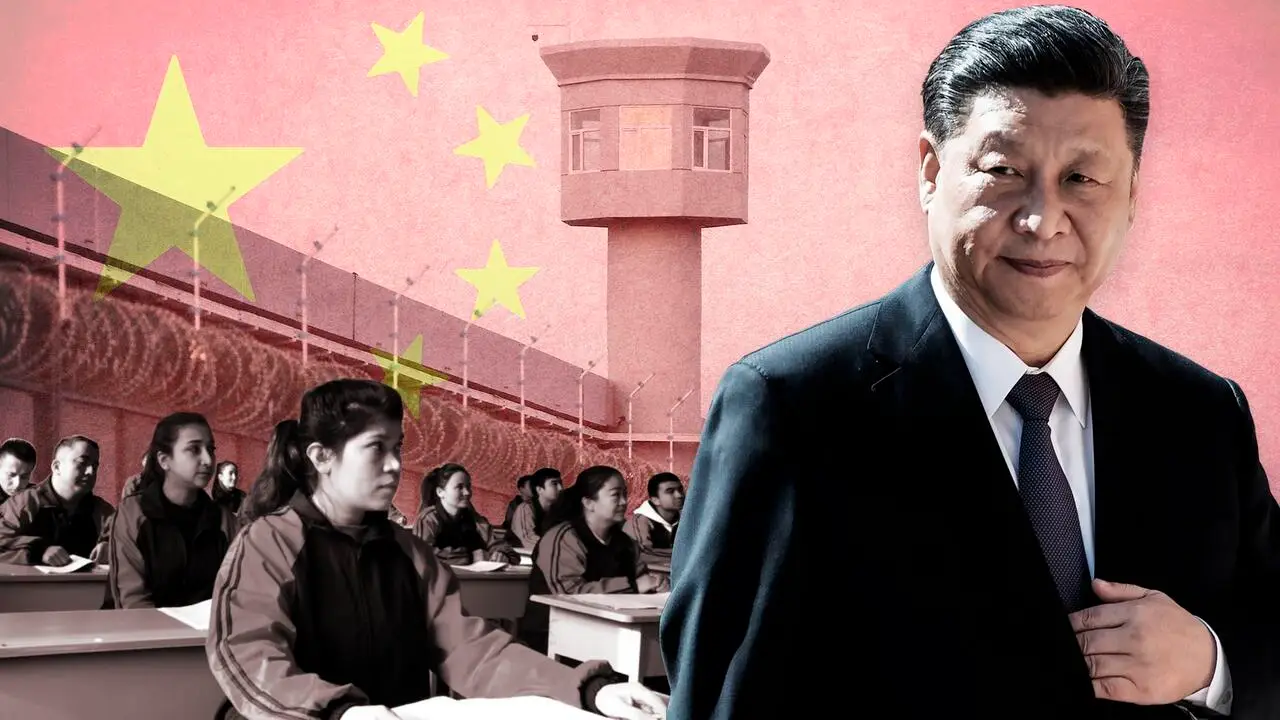


The regulation also intrudes into private life. It states that “parents or other guardians of minors must […] educate and guide minors to love the Communist Party of China”, prohibiting the transmission of ideas considered contrary to national unity.
In the digital and media realm, control is equally strict. The law requires network operators to remove content that may “threaten unity”, maintain records, and report to the authorities. It also promotes the use of technologies such as artificial intelligence and big data to disseminate content aligned with the official narrative, consolidating an information ecosystem under state supervision.
Criticism Becomes "Terrorist" Acts
The text also hardens its stance against any external criticism or report of human rights violations. “We firmly oppose any act of defamation […] under the pretext of ethnicity, religion, or human rights,” it states, opening the door for legitimate claims to be categorized as threats to state security and investigated for "terrorism".
In this context, the law establishes criminal penalties for those accused of promoting "separatism" or extremism. “Anyone who organizes […] ethnic separatist activities […] will be criminally responsible,” warns the text, expanding the margin to criminalize dissent.
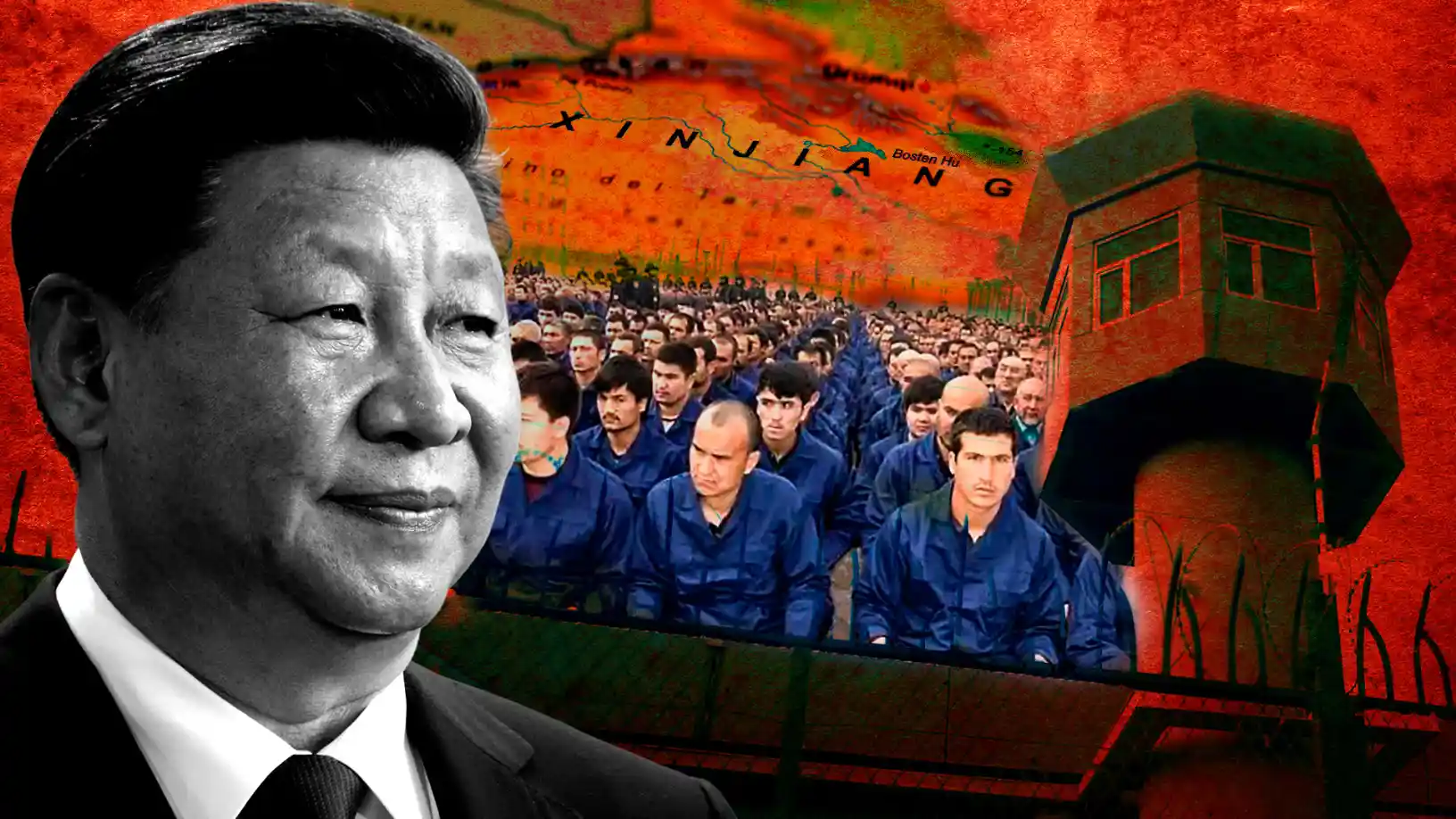
With 64 articles distributed across six chapters, the regulation represents the consolidation of a project initiated more than a decade ago and deepens the political, cultural, and social control model of the Chinese regime.