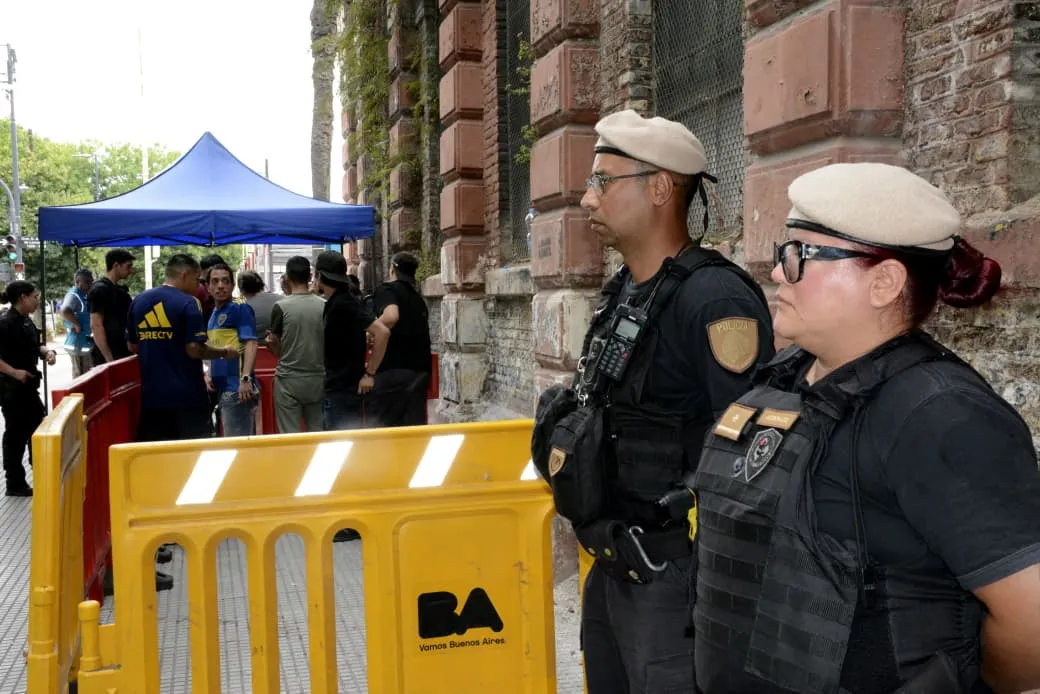
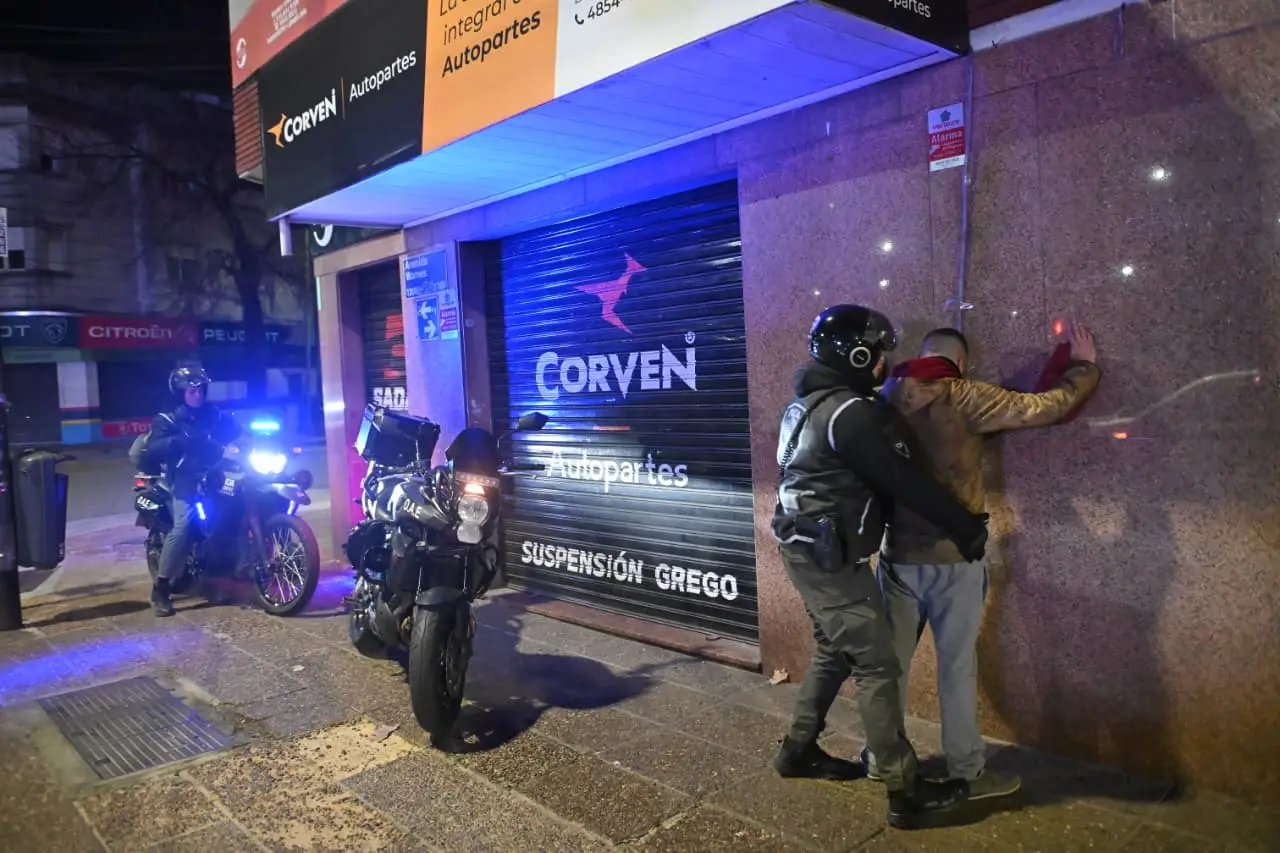
The Buenos Aires Legislature approved the anti-Trapitos Law promoted by Jorge Macri, which significantly toughens the penalties against illegal parking attendants and windshield cleaners
Closures of up to 90 days, tripling the maximum previously established.
Furthermore, those who are part of organizations dedicated to this activity may be disqualified for two years from accessing social plans, subsidies, or benefits granted by the City.
More controls at mass events
The reform also significantly expands the prevention operation around sports events, concerts, and any other mass gatherings.
The prohibition will no longer apply only to sports or artistic events but to all types of mass events.
The control radius expands to 50 blocks around the venue.
Operations will begin six hours before the event starts and will end three hours after.
Jorge Macri celebrated the approval
After the vote, the head of Government stated that the City will finally have effective tools to tackle a problem that has worsened over the years.
Jorge Macri celebrated the approval
"The anti trapitos law allows us to start putting an end to this scourge. Before, we could only fine them; now we can arrest those who extort and act violently against residents", he stated during an interview on Radio La Red.
The official also highlighted that the initiative incorporated contributions from different legislative blocs and maintained that the common goal was to "protect good people".
The Legislature also approved financing for Line F
During the same session, the Legislature authorized the City to take financing of up to USD 1.350 billion to advance the construction of the Line F subway, the first new line Buenos Aires will have in 25 years.
The authorization was approved with 56 positive votes and one negative.
The project includes a route of 9.8 kilometers, which will connect neighborhoods in the southern and northern parts of the city and allow for integration with the six current subway lines.
Jorge Macri emphasized that the work "will improve mobility and bring the subway to neighborhoods where it currently does not reach", while the financing is supported by the City’s strong credit situation, which recently managed to issue debt in international markets at the lowest rate in its history.
The Legislature of the City of Buenos Aires approved this Monday the anti "Trapitos" Law promoted by the head of Government, Jorge Macri, a reform that toughens penalties against illegal parking attendants and windshield cleaners who extort residents. The initiative received 36 affirmative votes and modifies the Contravention Code to incorporate effective arrest penalties, increase fines, and also sanction organizations that promote this activity.
The new regulation aims to provide greater tools to the City Police to act against those who illegally appropriate public space and demand money coercively.
"The trapitos are a mafia, they think they own the street and live by extorting the residents. Now we will put them in jail. With criminals, zero tolerance", stated Jorge Macri.
Arrests of up to 60 days for organizers
Until now, the main penalty against trapitos consisted of economic fines that, in practice, were difficult to collect.
"Until the sanction of this law, there was only a fine penalty. Fining a trapito… they laughed at the Police. That’s why we aggravated the penalties and incorporated the arrest penalty, depending on whether they act alone or in an organized system," said the Minister of Justice of Buenos Aires, Gabino Tapia.
Arrests of up to 60 days for the organizers
With the new law, penalties will now include days of effective detention, depending on the severity of the act.
The main penalties will be:
Between 20 and 50 days of arrest for those who act in an organized manner during mass events.
Between 10 and 30 days of detention for illegal parking attendants operating on any street in the City.
Up to 60 days in jail for leaders, organizers, or promoters of these networks.
Doubling of penalties when there is intimidation, violence, or when the vulnerability of victims is exploited.
Additionally, those convicted may receive between 20 and 45 days of community service, while economic fines increase significantly, starting from $1,139,988, with maximums equivalent to 7,000 fixed units.
There will also be sanctions for clubs and institutions
The law includes a chapter aimed at combating the structures that finance or facilitate the activity of trapitos.
There will also be sanctions for clubs and institutions
If the participation of leaders or members of clubs, organizers, or institutions is proven, the Buenos Aires government may impose: