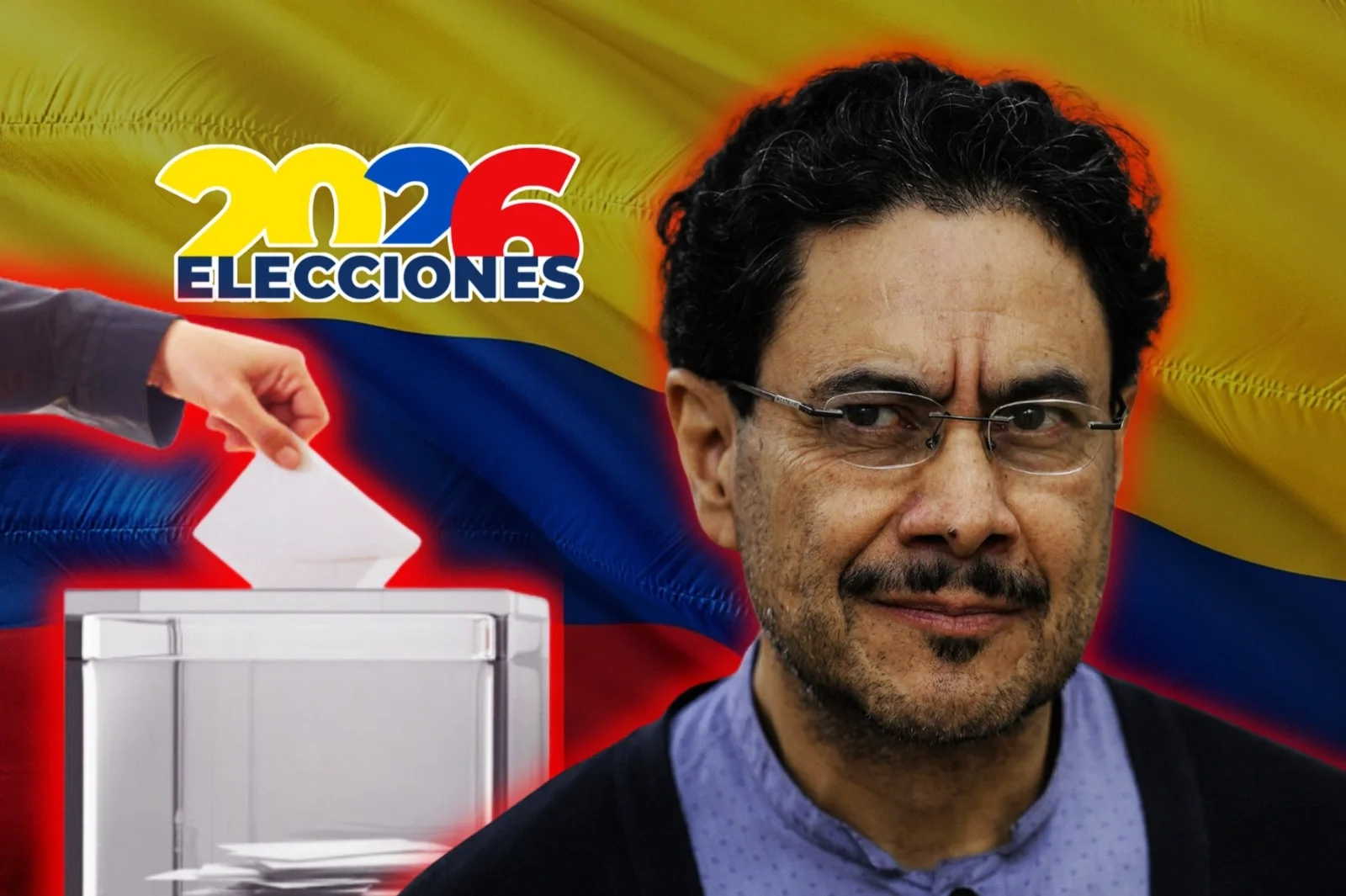
The political tension in Colombia increased after the communist Iván Cepeda announced that his coalition will push for the challenge of 33,000 polling stations across the country, a decision that could prolong the uncertainty about the outcome of the presidential runoff.
"We recognize the preliminary count as a data that is still unofficial and non-binding. We acknowledge its first result, but we must inform that our group of witnesses is proceeding to challenge 33,000 polling stations across the country," Cepeda declared before his supporters.
The statements came after the preliminary count showed a lead for Abelardo de la Espriella, who appears as the main favorite to become the next president of Colombia. Although Cepeda avoided acknowledging a defeat, he admitted that the initial results reflect a favorable trend for his rival.
The communists Iván Cepeda and Gustavo Petro
The magnitude of the announced challenges immediately caught the attention of analysts and electoral observers. Challenging 33,000 polling stations represents an extraordinarily high figure that could affect a significant part of the national counting process.
From De la Espriella's camp, several leaders interpreted the decision as an attempt to question the electoral result before the official count is completed. His allies argue that the popular will expressed at the polls must be respected and that any claim must be supported by concrete evidence.
For their part, sectors close to Cepeda argue that the challenges are part of the legal mechanisms provided by Colombian electoral legislation and seek to ensure the transparency of the process.
The announcement also fueled fears of an extension of the post-electoral crisis. Throughout the campaign, Colombia experienced a climate of strong polarization between those who support the continuity of the political project associated with Petrismo and those who support the change of direction proposed by Abelardo de la Espriella.
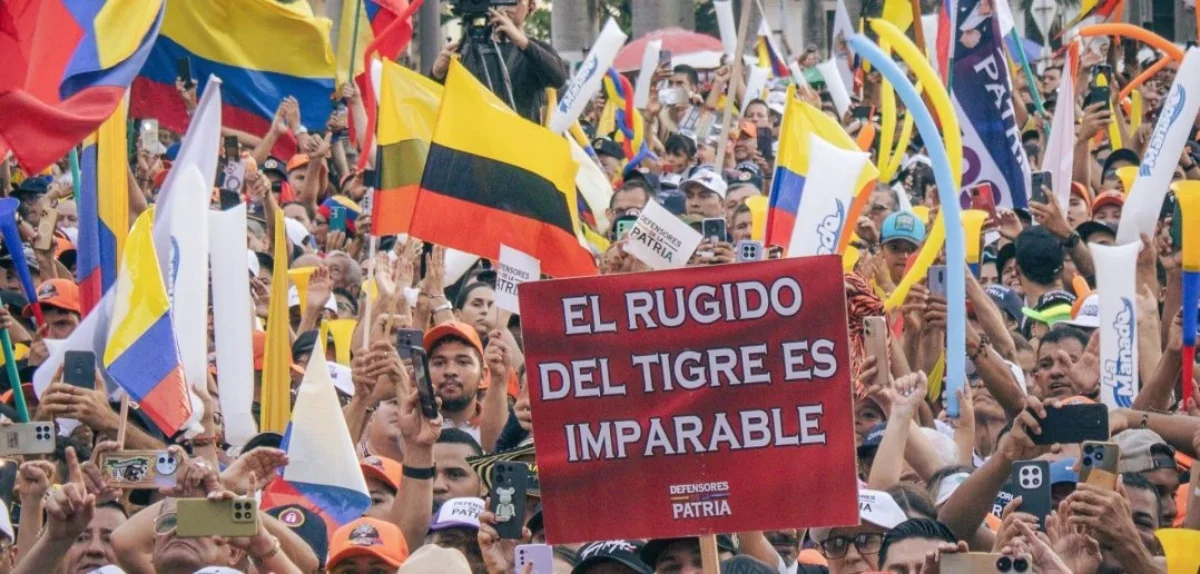
Colombians celebrating De La Espriella's electoral victory
As the official counts progress, electoral authorities will have to analyze each of the claims presented and determine which meet the established legal requirements. The process could extend over several days depending on the volume of resources submitted.
Cepeda's statement makes it clear that the political dispute will not end with the closing of the polls. With thousands of challenged polling stations and an extremely polarized election, Colombia is heading towards a period of high political tension while awaiting the definitive confirmation of the presidential result.