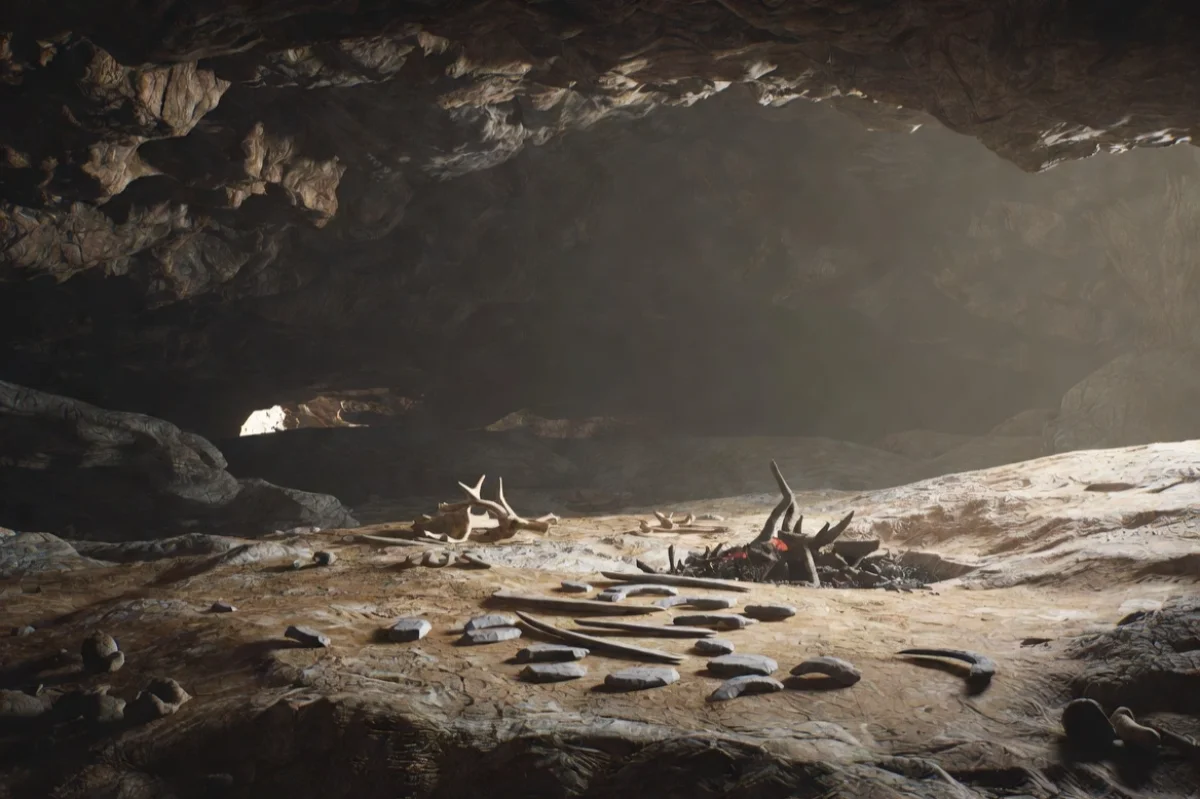
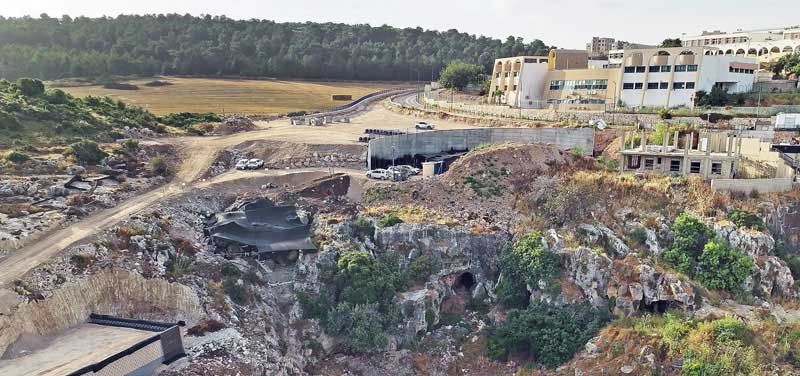
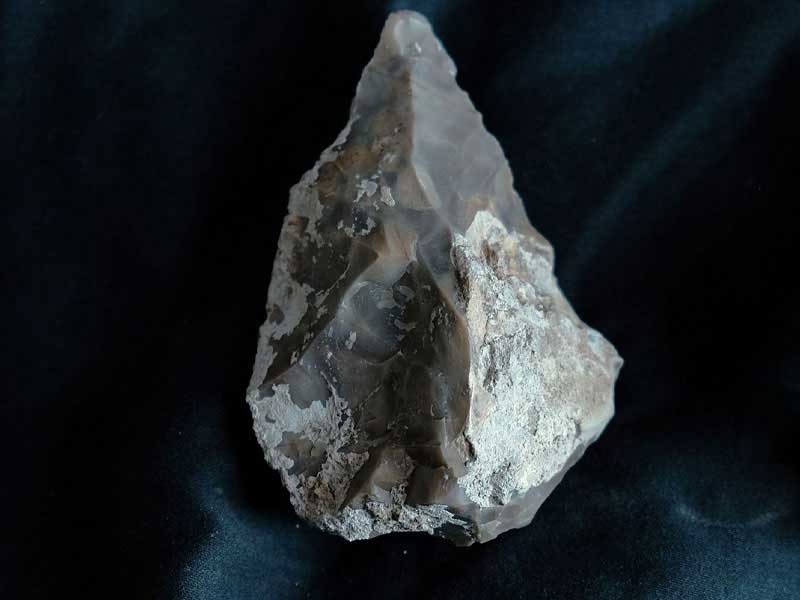
In northern Israel, near Haifa, a team of researchers explored a cave that holds secrets from about 300,000 years ago. This is the Fureidis Cave, where flint tools such as scrapers and bifaces appeared, along with bone remains of dama deer, gazelles, and ancient horses.
The evidence points to a controlled use of fire during that remote period. This finding belongs to the Acheulo-Yabrudian culture, which inhabited the area before the arrival of Neanderthals and modern humans.
The site is very well preserved, allowing for detailed study of how these early human groups lived. Similar age sites were already known in the Qesem Cave, in the center of the country, and in the Tabun Cave, also in the north.
Experts hope that this new site will provide fresh data on the mobility of these populations, their hunting strategies, and possible social interactions among them.
Importance of the finding for prehistory
The discovery in Fureidis offers a unique window into a key moment of human evolution in the region. The stone tools found show characteristic knapping techniques of that ancient culture, which combined elements from different technological traditions.
The animal remains indicate that the cave's occupants engaged in hunting local species. Dama deer, gazelles, and ancient horses were part of their diet, reflecting a resource-rich environment during that period.
 The presence of controlled fire is particularly relevant. It suggests that these groups had already mastered techniques for intentionally maintaining and using fire, a fundamental advancement for survival and cultural development.
Studying an intact site like this allows archaeologists to reconstruct patterns of occupation and space use. Each artifact and organic remnant can reveal details about daily life hundreds of thousands of years ago.
Comparison with other regional sites
The Fureidis Cave adds to a group of important sites in Israel that illuminate the Lower and Middle Paleolithic. Its location in the north complements the findings from Qesem and Tabun, allowing for a more complete view of how these human groups were distributed across the territory.
Researchers emphasize that this type of preserved context is rare and valuable. They help to better understand mobility dynamics: how people moved between different places according to the seasons or resource availability.
Additionally, analyzing hunting strategies could show whether there were forms of cooperation or task division within the groups. These social interactions are key to understanding the complexity of prehistoric societies.
The collaboration between the Israel Antiquities Authority and the University of Haifa ensures an interdisciplinary approach. They combine careful excavation with laboratory studies to extract the maximum possible information from the recovered materials.