For decades, scientists believed that ancient humans avoided dense rainforests, considering them almost impossible environments for early survival. However, a revolutionary discovery in West Africa is completely changing that view.
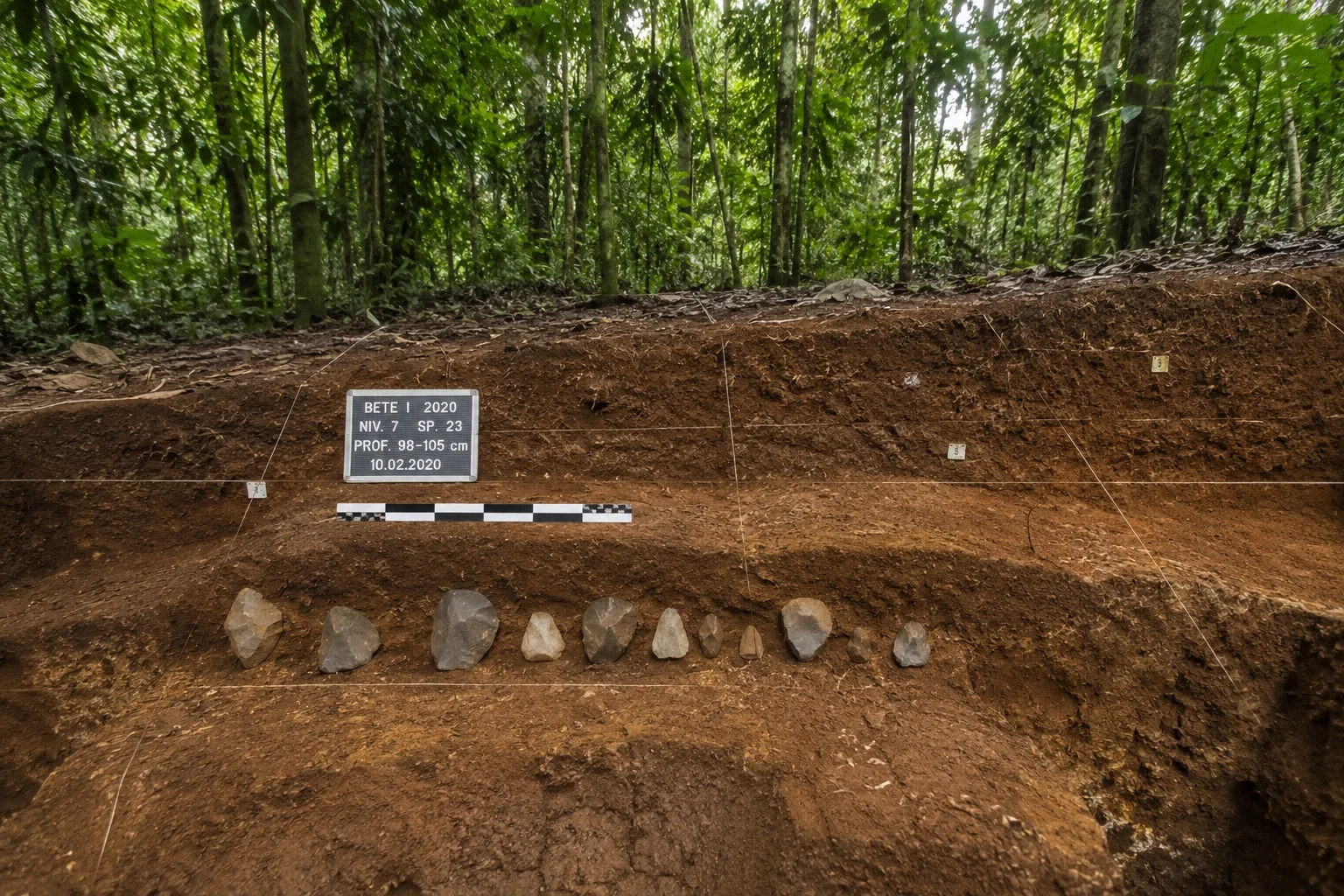
Researchers found evidence that humans lived in the heart of humid tropical forests in what is now Ivory Coast about 150,000 years ago, more than double what was previously thought possible.
The archaeological site, known as Bété I, was initially investigated in the 1980s by an Ivorian-Soviet team. Now, with modern technologies, an international group returned to the site and confirmed the age and environmental context of the finding.
Using methods such as optically stimulated luminescence and electron spin resonance, experts dated the human occupation to around 150,000 years. The analysis of pollen, phytoliths, and chemical remains in the sediments revealed that the area was covered by dense humid rainforest, with very little presence of grasslands.
Stone tools in the heart of the jungle
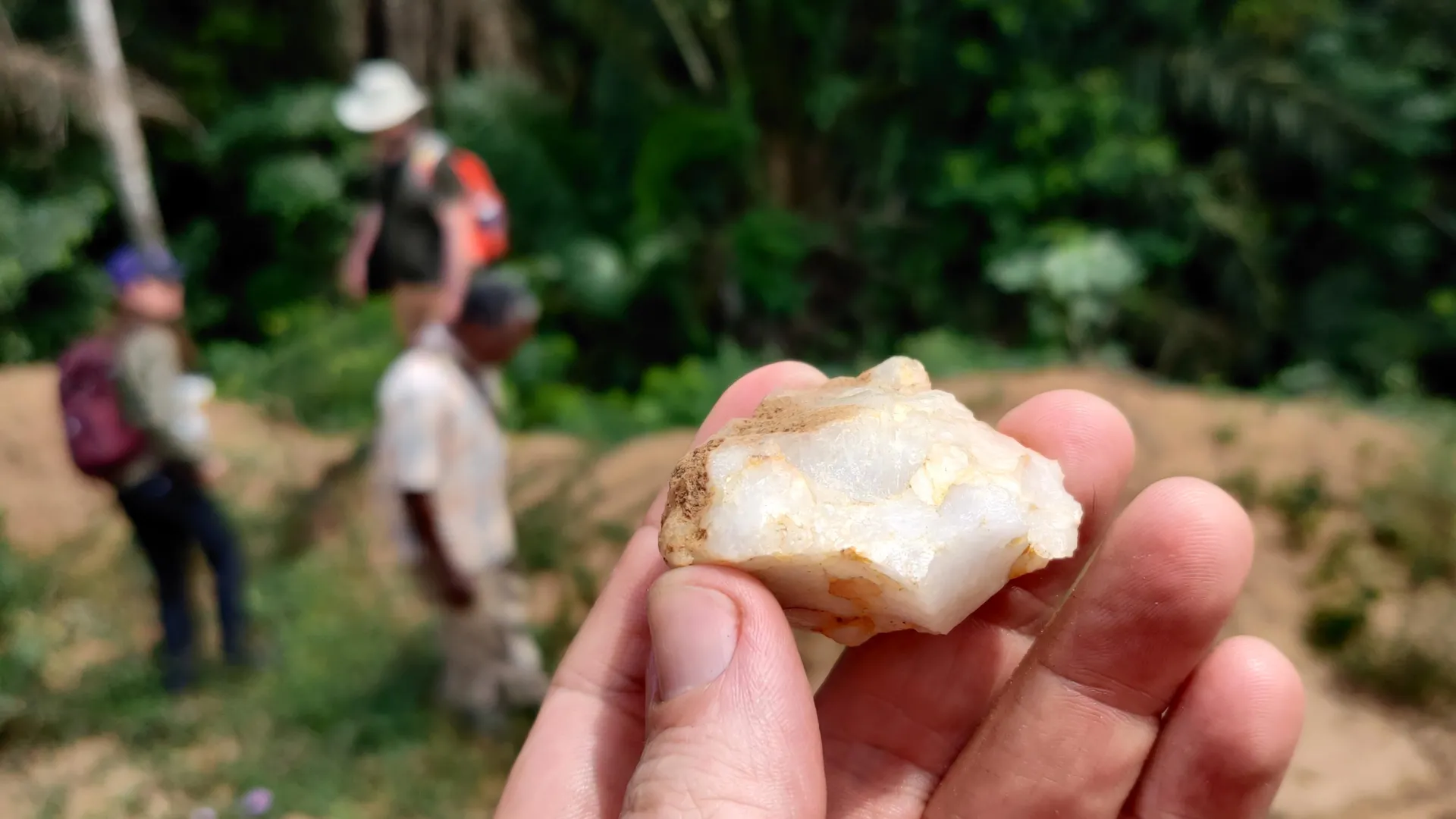
The stone tools found beneath layers of soil confirm human presence in a true tropical forest environment. Before this study, the oldest evidence of humans in African rainforests dated back only 18,000 years, and the global record was in Southeast Asia at about 70,000 years.
"This more than triples previous estimates," emphasized the authors of the work published in the journal Nature. The finding suggests that early Homo sapiens were ecological generalists capable of thriving in a wide variety of habitats.
This flexibility could explain why our species successfully expanded across the world while other human relatives disappeared. It was not a single environment of evolution, but populations adapted to deserts, coasts, savannas, and now also to dense jungles.
Professor Yodé Guédé, key in the initial work, helped relocate the original excavation. Unfortunately, mining activity later destroyed the site, making the recovered data even more valuable.
Implications for human history
Researchers highlight that archaeology in tropical rainforests is particularly challenging: fossils do not preserve well in warm, humid environments, and vegetation complicates excavations. Therefore, they suspect that there may be even older sites waiting to be discovered in Africa.
The study also raises questions about the early influence of humans on tropical ecosystems, through hunting, the use of fire, and plant management. Ecological diversity seems to be at the center of our species' history, with subdivided populations inhabiting different regions and environments.
Experts from the Max Planck Institute of Geoanthropology and other institutions participated in the work, funded by the Max Planck Society and the Leakey Foundation. The team includes specialists from various countries and emphasizes international collaboration.
This finding not only extends the timeline of human occupation in tropical rainforests but also invites us to rethink how our ancestors interacted with the environment and how they managed to adapt to conditions that were once considered hostile.