Regarding the technical development of the process, the electoral body decided that the extension of the working day does not affect the processing of the results. Within this framework, the continuity of operations was guaranteed in the computer centers and on the official portal of the ONPE, in order to maintain transparency and the flow of information during the counting of
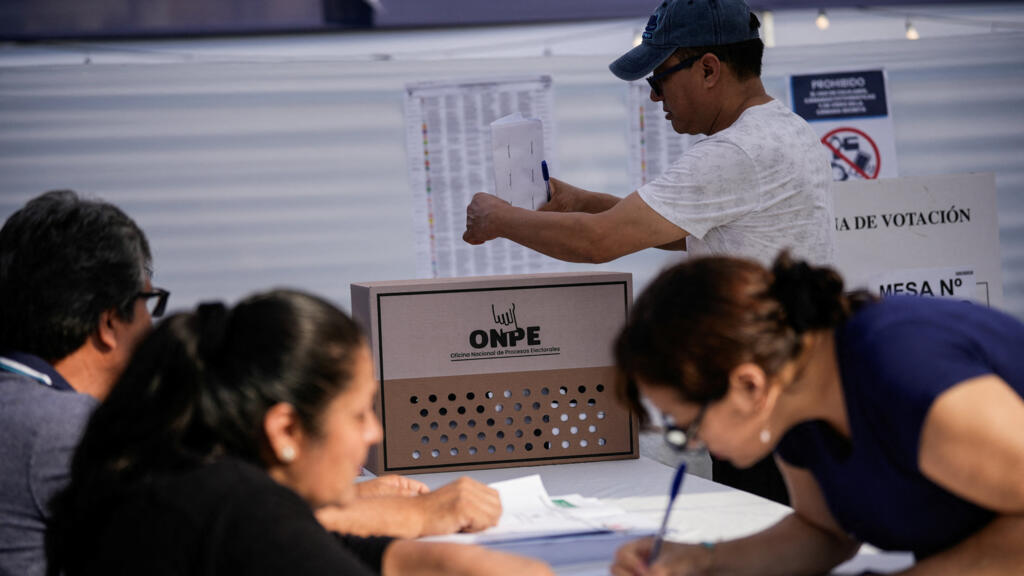
The National Jury of Elections (JNE) ordered a series of exceptional measures to guarantee the right to vote following problems with the installation of voting stations during election day on Sunday, April 12. The most relevant decision states that the process will last until Monday, April 13, extending voting hours to 6:00 p.m., in areas where it was not possible to start normally
.
The measure responds to delays caused by logistical failures that affected several voting locations in the country, where thousands of citizens were unable to vote because the tables were not installed in time. Faced with this scenario, the JNE determined that a new period will be set up on Monday to complete the installation of tables, which will take place from 7:00 a.m. to 2:00 p.m. The activity will take place in 17 voting centers where irregularities were registered, 15 in the country itself and 2 abroad, located in Orlando, Florida and Patterson,
New Jersey.
In parallel, the electoral body requested the Executive Branch to adopt complementary actions to effectively implement these provisions. In this regard, the Presidency of the Council of Ministers was required to coordinate with the Ministry of Education to ensure the availability of schools as voting locations, thus making it easier for the National Office of Electoral Processes (ONPE) to complete the installation of the pending tables
. Peru's electoral justice extended voting hours until Monday, April 13 at 6 p.m.
It was also requested to reinforce the support of the Peruvian National Police and the Armed Forces, with the objective of ensuring security during the deployment of electoral material and the development of the extended working day. These actions seek to ensure adequate conditions for both the voters and the personnel involved in the process
.
The JNE also asked the Ministry of Labor to issue provisions that grant facilities to citizens who must come to vote on Monday, April 13, considering that it is a working day. The intention is to prevent work obligations from becoming an impediment to exercising the right to vote, especially in those cases where voters were unable to do so the day before
votes.
Another measure adopted was to maintain restrictions on electoral propaganda in areas where tables were not installed on Sunday. In addition, it was urged to avoid the dissemination of polls or rapid counting results in such places, in order to prevent any type of influence on the decision of the voters who will participate on Monday
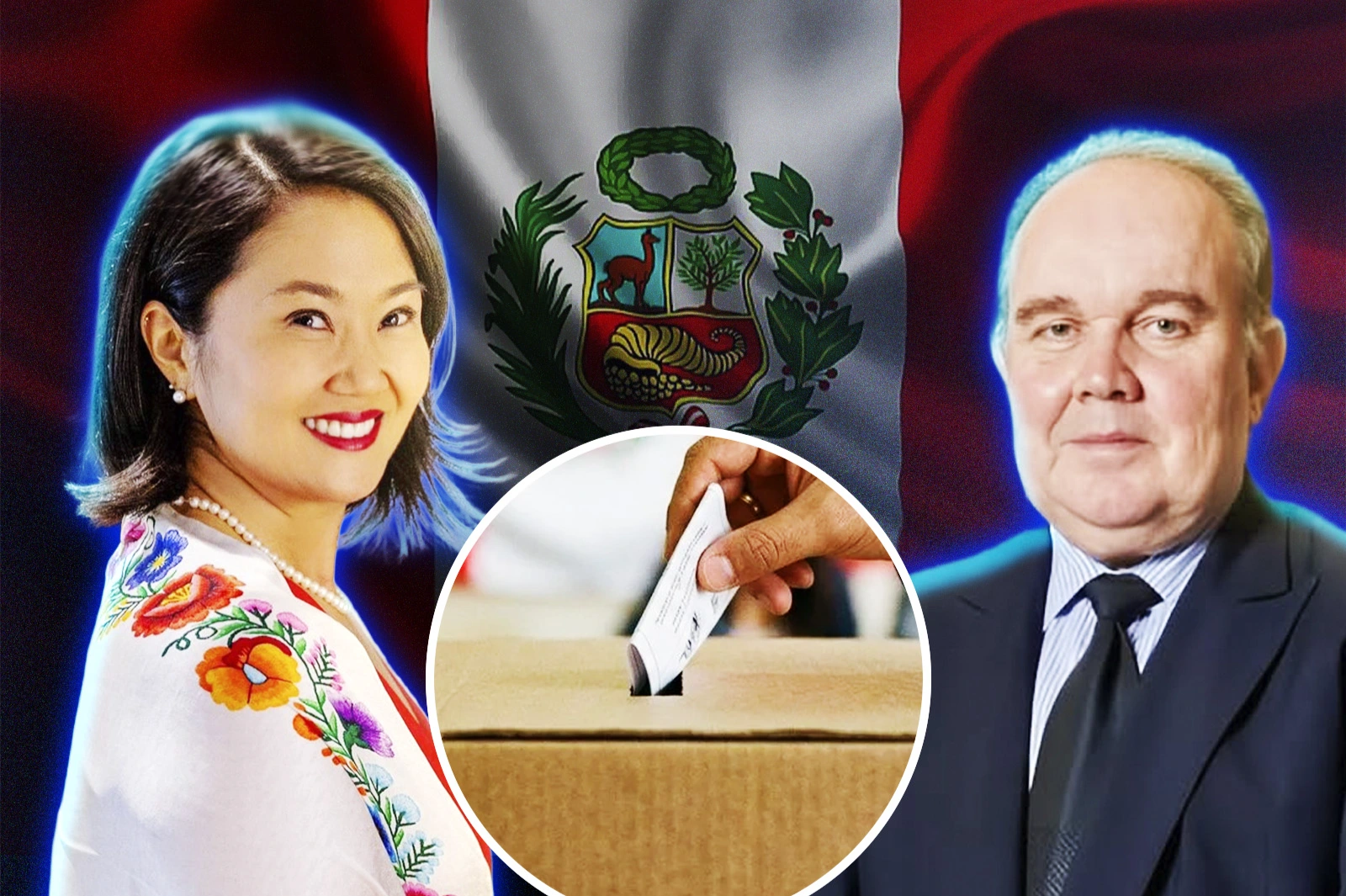
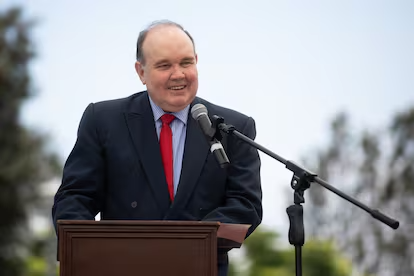
. The right-wing candidate, Rafael López Aliaga, had reported multiple irregularities during the electoral process.
For its part, the Executive Branch reported that it has fulfilled its constitutional role of guaranteeing internal order and security during the electoral process. He noted that provision was made for the timely deployment of law enforcement agencies and the allocation of necessary resources to protect electoral material and voting facilities across the country
.
The Executive also reiterated its respect for the autonomy of the bodies of the electoral system, stressing that any incident related to the organization, installation of tables or the conduct of voting corresponds to entities such as the JNE and the ONPE, in accordance with the provisions of the Constitution.
With these measures, the authorities seek to correct the flaws registered during Sunday and ensure that all citizens have the opportunity to participate in the electoral process. The extension of voting hours to 6:00 p.m. on Monday the 13th thus becomes a key element in preserving the legitimacy and inclusive nature of the
elections. One of the measures requested by the electoral justice system was to reinforce the presence of armed and security forces in voting establishments.