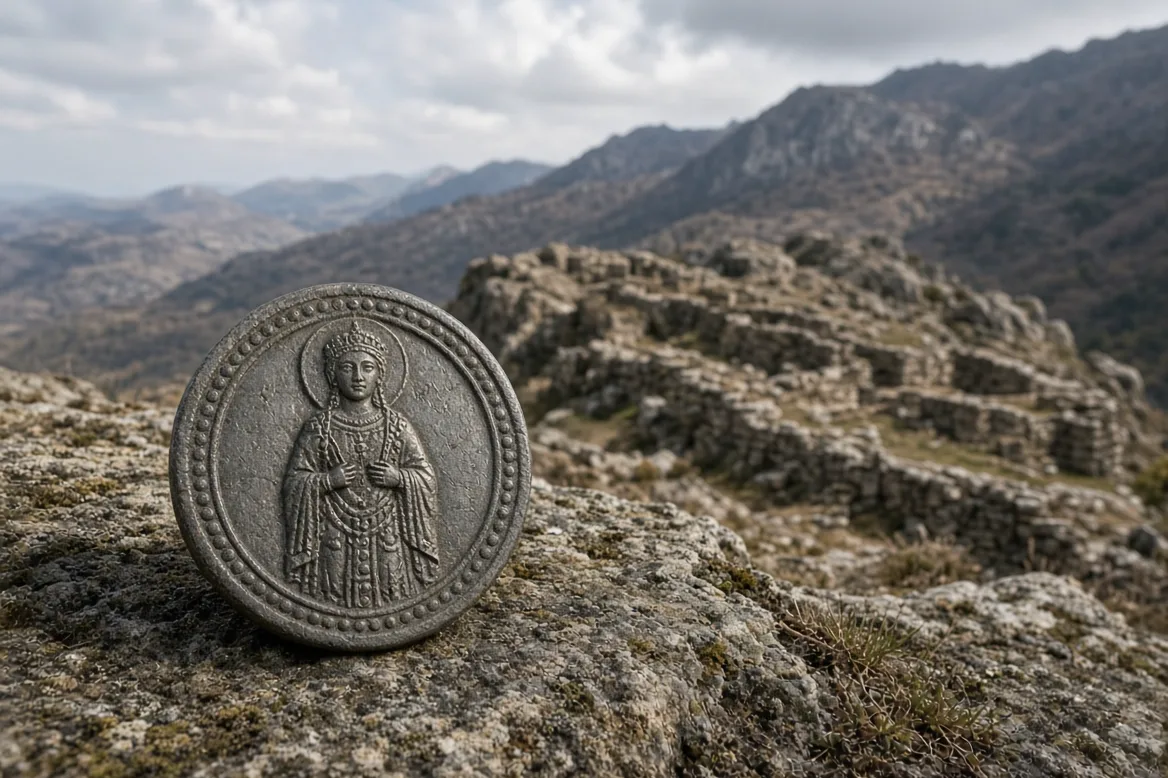
At the ancient site of Perperikon, located in southern Bulgaria within the Rhodope Mountains, archaeologists unearthed a seal from the Byzantine era that belonged to Empress Irene Komnene. The discovery was announced by archaeologist Nikolay Ovcharov and adds to a series of royal artifacts recovered at the same location.
Irene Komnene was married to John III Doukas Vatatzes, emperor of Nicaea, the Byzantine state that consolidated in northwestern Anatolia after the fall of Constantinople in 1204. In the early decades of the 13th century, the Nicaean ruler sought to regain control of the former imperial capital while Bulgarian Tsar Ivan Asen II consolidated his power in the region.
As Ovcharov explained, the seal could account for exchanges or communications between Nicaea and Bulgaria in that context of political realignments. The piece provides material evidence of possible diplomatic ties at a time of intense rivalry and negotiations between both powers.
The researcher emphasized that, over time, these relations led to a formal alliance. In 1235, Nicaea and Bulgaria sealed an agreement that included the marriage between the tsar's daughter and the emperor's son, a bond aimed at strengthening the position of both courts against other actors of the time.

Other royal seals recovered at the site
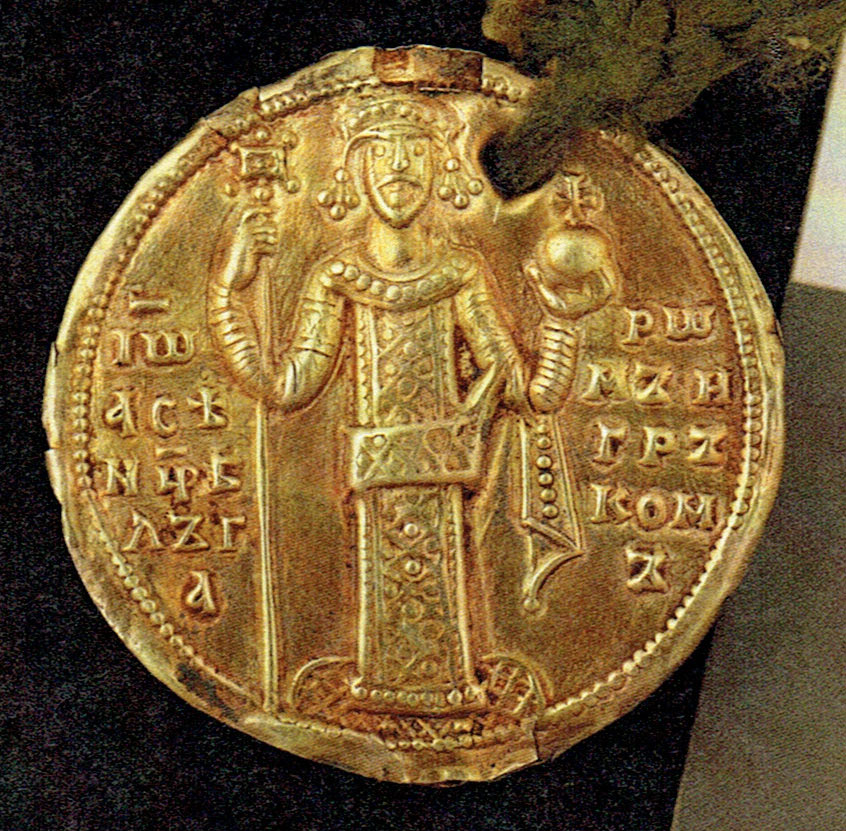
Perperikon did not only yield the seal of Irene Komnene. At the same site, pieces associated with several Byzantine emperors were found, including Anastasius I, Constantine IX Monomachus, and Andronicus II Palaiologos. A gold seal belonging to Bulgarian Tsar Ivan Alexander was also recovered.
The presence of these objects reinforces the idea that the site functioned as a point of contact or reception for messengers and official documents throughout different periods. Each seal represents a way to authenticate correspondence or decrees issued from the highest echelons of power.
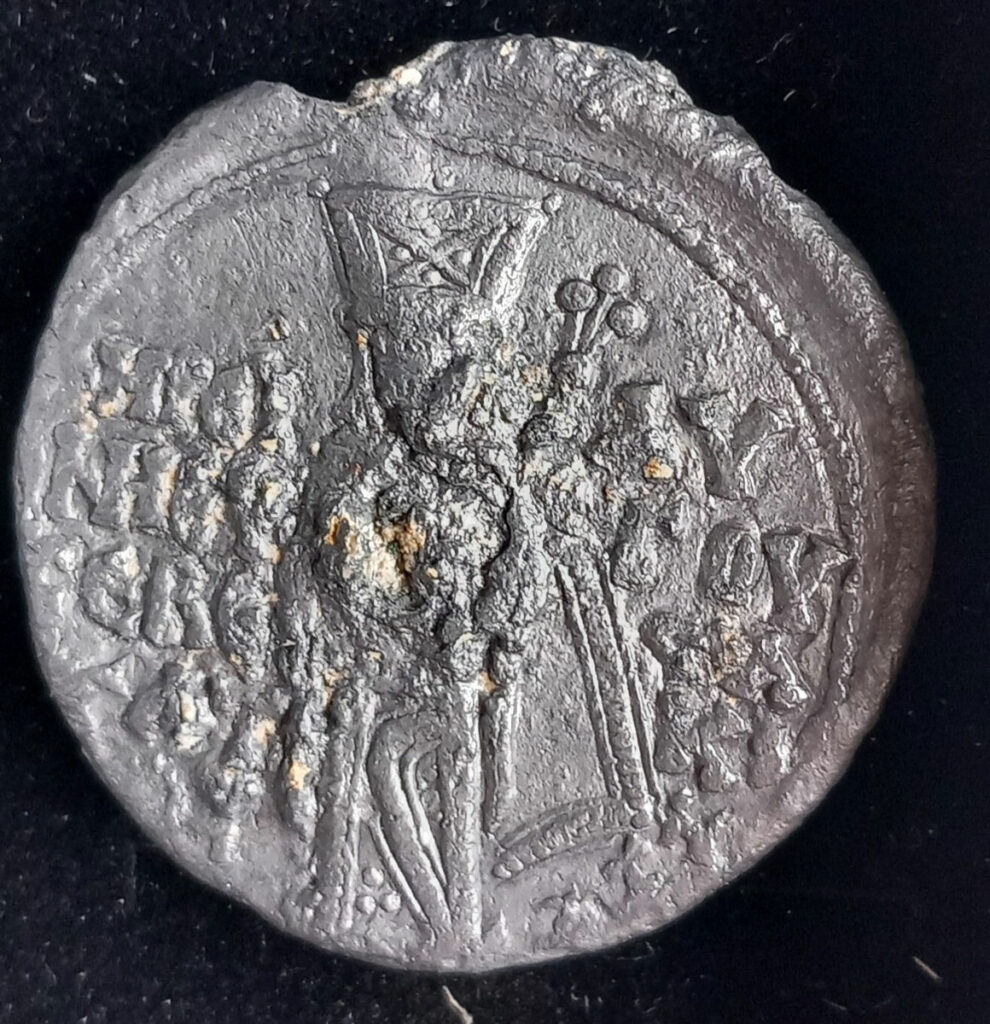
Ovcharov highlighted that the collection of findings allows for the reconstruction of part of the network of political relations that traversed the region during the Middle Ages. The seal of Irene Komnene provides a concrete link in that chain, directly connecting the Nicaean court with Bulgarian territory.
The site of Perperikon, known for its long occupation and strategic importance in the Rhodope Mountains, thus continues to provide evidence of the links between the Byzantine world and the Balkan states. The discovery confirms the site's value as a material archive of the power dynamics of the time.
Historical context of the discovery
The recovery of such objects is particularly valuable because Byzantine seals often bore images and inscriptions that identified the holder. In the case of an empress, the piece can provide data on the role of women in the dynasty in diplomatic dealings or in legitimizing agreements.
The context of the 13th century was one of intense competition for control of Constantinople and the commercial and military routes of the Balkans. The 1235 alliance between Nicaea and Bulgaria marked a key moment on that board, and the seal of Irene Komnene is interpreted as a possible remnant of the contacts prior to or parallel to that pact.
Researchers emphasize that the accumulation of seals from different periods at Perperikon suggests a continuity in the use of the site as a space for receiving official messaging. From the period of Anastasius I to the times of the Palaiologos and the Bulgarian tsars, the site seems to have maintained relevance.
This new finding enriches the understanding of the relationships between the Empire of Nicaea and the Second Bulgarian Empire. The piece of Irene Komnene adds to the material evidence that allows tracing the negotiations and dynastic ties that defined the politics of the region in the first half of the 13th century. Archaeological work at Perperikon continues to shed light on these historical links in a concrete and documented manner.