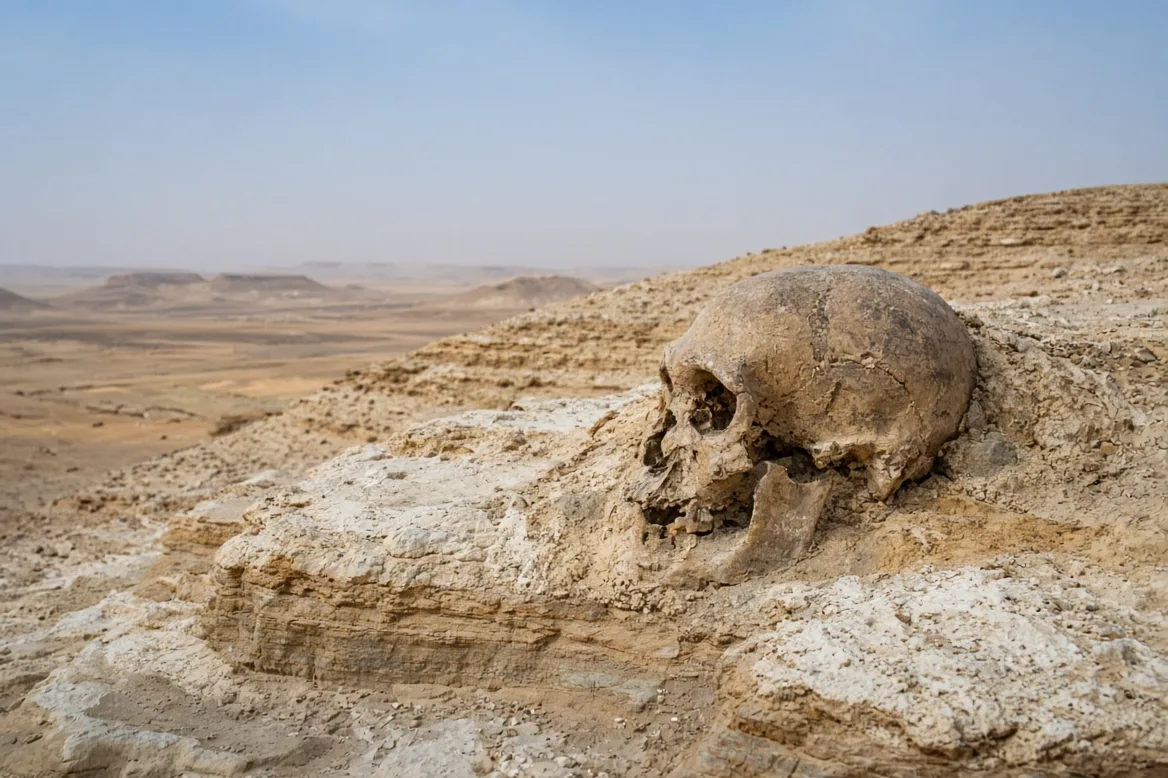

A nearly 18-million-year-old fossil discovered in northern Egypt is forcing us to revisit one of the most deep-rooted ideas about the origin of modern apes and humans. The new species, named Masripithecus moghraensis, lived during the early Miocene and represents the first unambiguous
fossil ape found in North Africa.The remains, recovered in Wadi Moghra during expeditions in 2023 and 2024, belong to an international team from the Center for Vertebrate Paleontology at Mansoura University and the University of Southern California. The study, published in March 2026 in the journal Science, suggests that North Africa and the Middle East may have played a central role in the appearance of the lineage that gave rise to all living apes
.For decades, it was assumed that the first apes and their close relatives were concentrated further south of the continent. In North Africa, only monkeys from the early Miocene had been found, never definitive apes from that time. That absence had reinforced the theory of an Eastern African origin
.Hesham Sallam, a paleontologist at Mansoura University and lead author of the work, explained the importance of the finding: “We spent five years looking for this type of fossil because, when you look closely at the early family tree of the apes, it becomes clear that something is missing, and North Africa keeps that missing piece.”
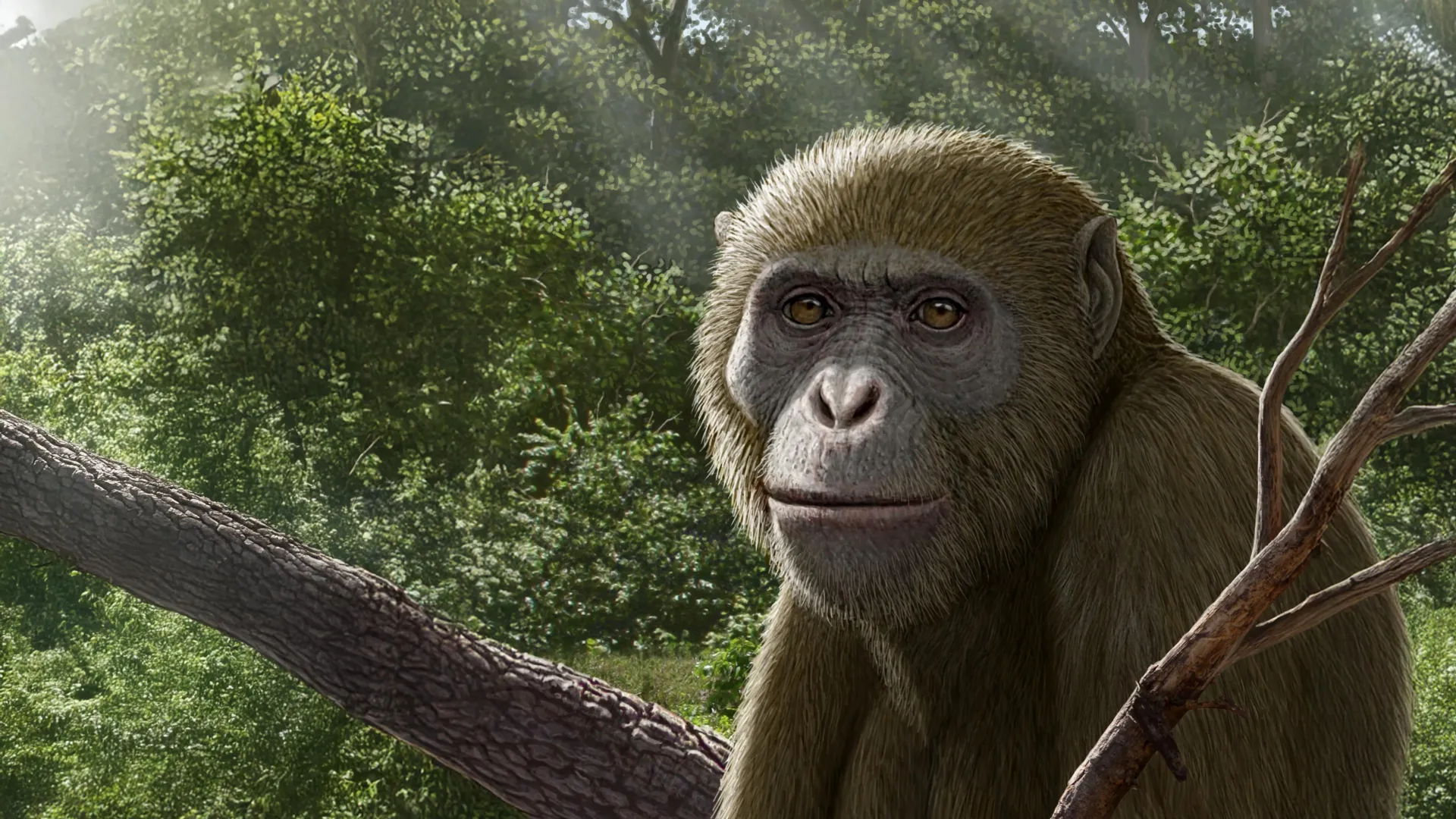
Versatile teeth for a changing climate
Although only materials from the lower jaw are preserved, these show an unusual combination of traits. The mandible is exceptionally robust, with very large canines and premolars. The molars have rounded chewing surfaces and marked textures.
According to the researchers, Masripithecus ate mainly fruits, but his teeth allowed him to process harder foods such as nuts or seeds when needed. This dietary flexibility would have been a key advantage at a time of climate changes that accentuated seasonality in North Africa and Arabia