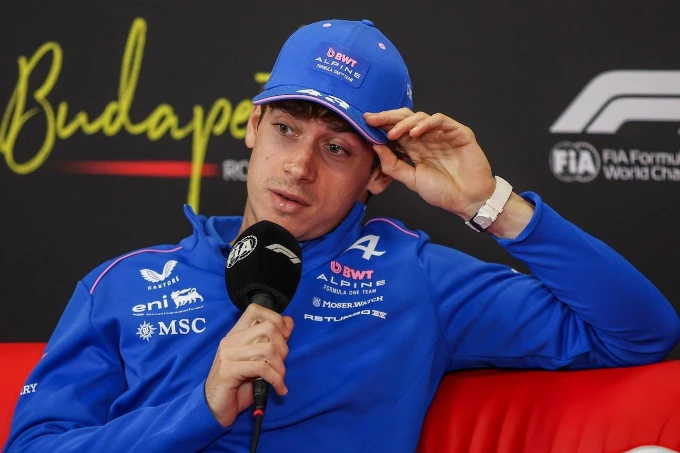

In the lead-up to his return to the tracks after the summer break of the Formula 1, Franco Colapinto focused on one of the most controversial aspects accompanying the growth of the category: the increase of hate and attacks on social media.
The Argentine considered that drivers must get involved to set a limit on the aggressiveness of fans, although he also acknowledged that the protagonists themselves can contribute to reducing the problem. "It's how society is today. And that's something that, I believe, we as athletes need to speak a little louder about and set a limit", he stated during an interview with the specialized media Motorsport.
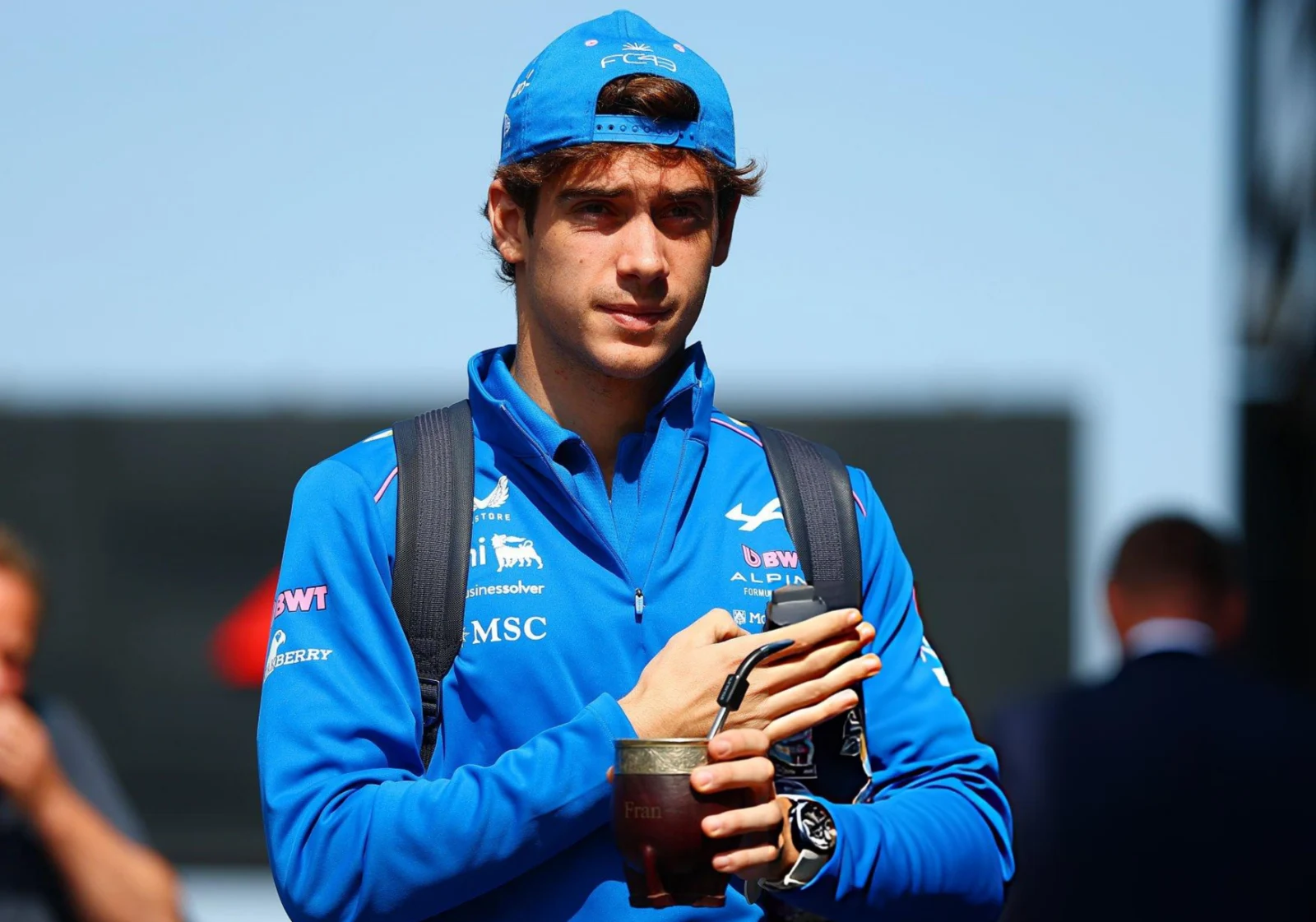
The driver of Alpine explained that many users do not realize the impact their comments can have because they believe that athletes do not read what is published online. "As drivers, we need to help people understand how much their words can affect others. I think they have never felt it in their lives because they have never received those messages, or they probably think that we never read them anyway", he pointed out.
For Colapinto, the problem has reached a point where even many athletes have decided to distance themselves from digital platforms. "But we have reached the situation where most athletes are deleting their social media. I believe that as human beings we need to be much more aware of the effect our words have", he affirmed.
In this regard, the FIA and Formula 1 have already promoted various initiatives to combat online abuse, but the Argentine understands that the responsibility also falls on those who compete. In this sense, he cited the way drivers express themselves to the media after a race as an example. "For my part, I also blame us a bit as drivers because sometimes we speak to the media in a way that we don't think about the power our words have", he admitted.
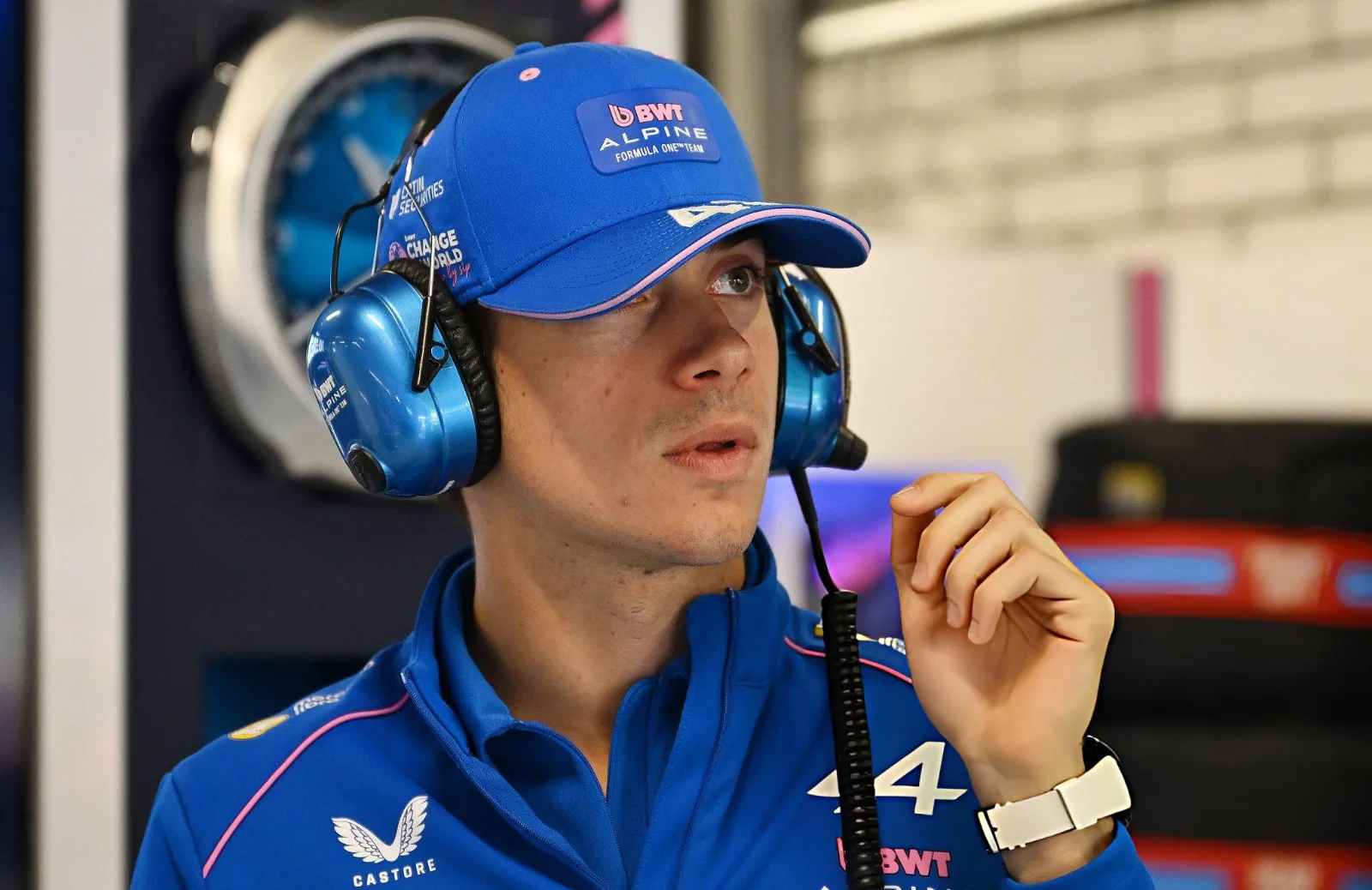
In this sense, the Buenos Aires native recalled an episode that occurred after the serious accident of Oliver Bearman at the Japanese Grand Prix earlier this year. The Haas driver had publicly questioned the Argentine for his involvement in the incident and, as Franco recounted, the conflict could have been resolved differently. "I sent him a message right after the race and he never responded. We never talked about it afterward, but then he said this about me. These are the kinds of things we can fix in a different way, in a way that would be much easier and without making it public", he shared.
The Argentine clarified that messages from strangers do not usually affect him personally, although the situation changes when the attacks reach people in his circle. "Personally, as Franco, those things don't affect me that much", he explained. And added: "It only affects me when people from my circle, people I truly admire and believe in, tell me something".
The exposure has also allowed Colapinto to identify how much his mental preparation has changed since he arrived in the top category. As he explained, Formula 1 involves a demand that goes far beyond driving a single-seater. "In F1 everything is much more political, and no one really tells you that. Nothing can truly prepare you to become an F1 driver and deal with all the things you have to deal with. It's a completely different world compared to F2", he stated.
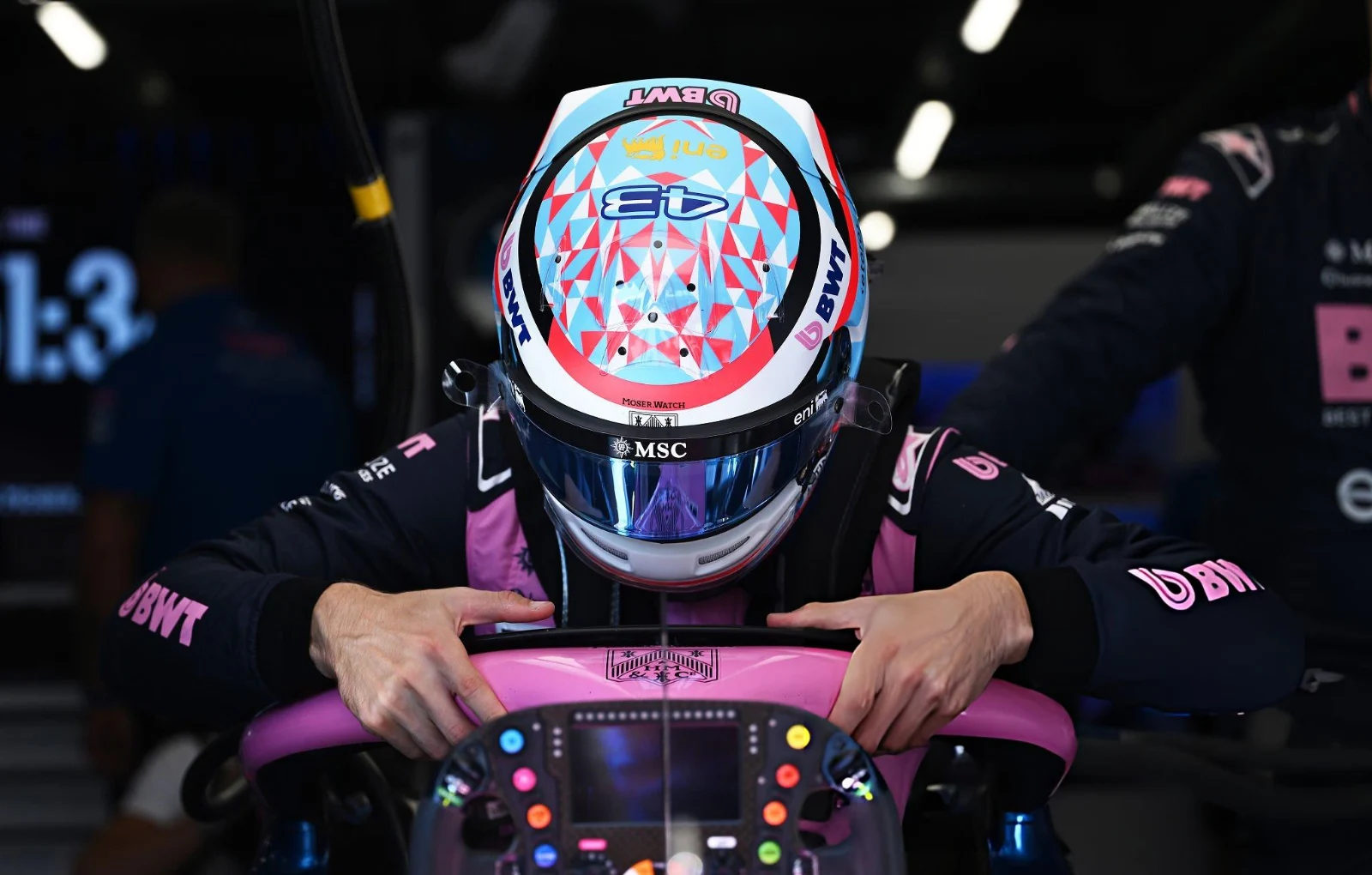
In that adaptation, the Argentine particularly highlighted his evolution in consistency and emotional management during race weekends. "I think finding that rhythm is what I have improved the most this year. I have become much better at keeping my energy in a better place and not arriving exhausted before driving. Personally, I believe that that is one of the biggest steps I have taken", he concluded.
When Colapinto returns to racing
After the race on Hungarian soil, Formula 1 will take a break for the summer holidays. In this sense, the category will return in one month with the Dutch Grand Prix. Action at the Zandvoort circuit will kick off on Friday, August 21 with a single free practice and the Sprint qualifying, and will close on Sunday, August 23 with the main race.