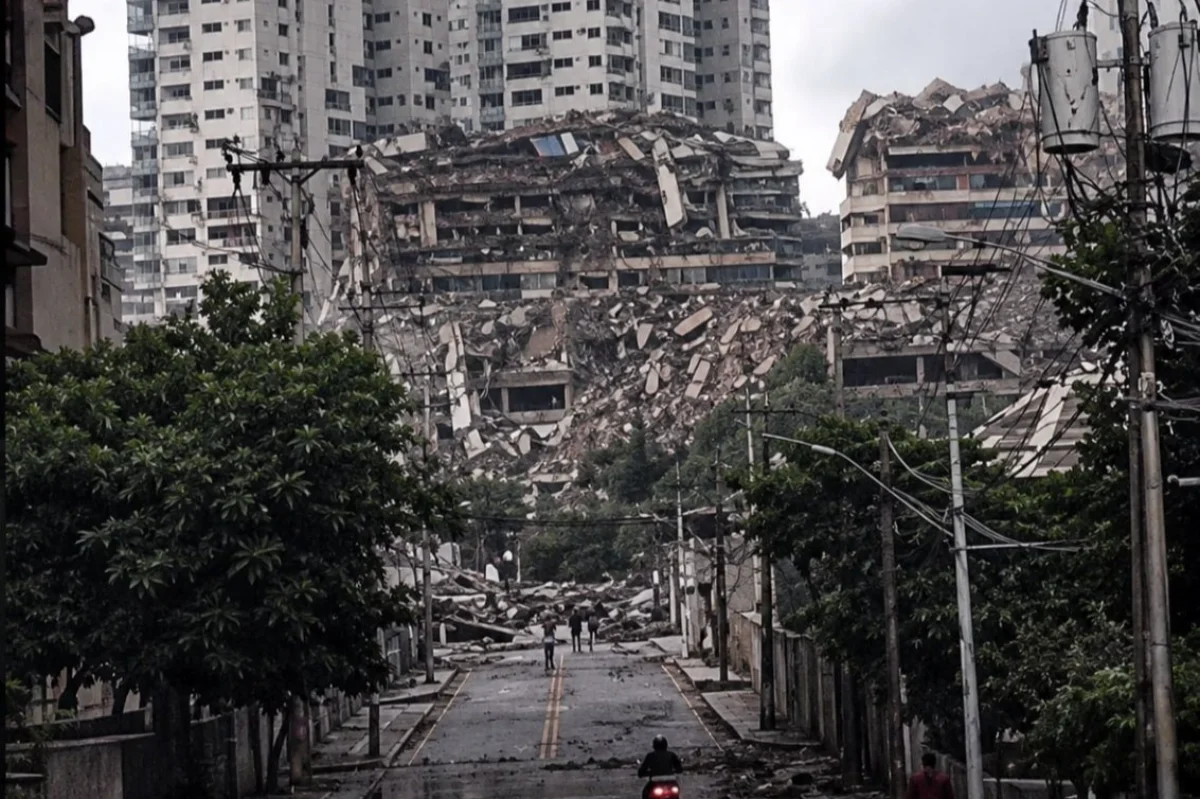
Specialist Eduardo Malagnino explained that the 7.5 magnitude earthquake released an extraordinary amount of energy accumulated over more than a century
As Venezuela continues to assess the damage caused by the devastating earthquakes that shook the north of the country, specialists have begun to explain the enormous magnitude of the phenomenon. Geologist Eduardo Malagninostated that the main quake, with a magnitude of 7.5, released energy equivalent to the explosion of approximately 260 atomic bombs like the one in Hiroshima, a comparison aimed at illustrating the power of the seismic event.
According to the expert, the energy released during an earthquake increases exponentially as the magnitude grows. For this reason, a seemingly small difference on the seismic scale can represent a huge variation in the amount of energy accumulated and subsequently released by the Earth's crust.
The geologist Eduardo Malagnino
The disaster occurred when two earthquakes of magnitudes 7.2 and 7.5 struck Venezuela with only seconds apart. Specialists consider it an unusual "seismic doublet," a phenomenon where two high-intensity tectonic ruptures occur almost consecutively.
Malagnino explained that the movements were related to the interaction between the Caribbean plate and the South American plate, one of the most active tectonic zones in the region. The energy accumulated over decades or even more than a century was released in a short period of time, causing massive destruction in densely populated areas.
Experts also highlight that the shallow depth of the quakes contributed to worsening the damage. Occurring relatively close to the surface, the seismic waves reached cities like Caracas and La Guaira with greater intensity, where building collapses, damage to critical infrastructure, and hundreds of casualties were reported.
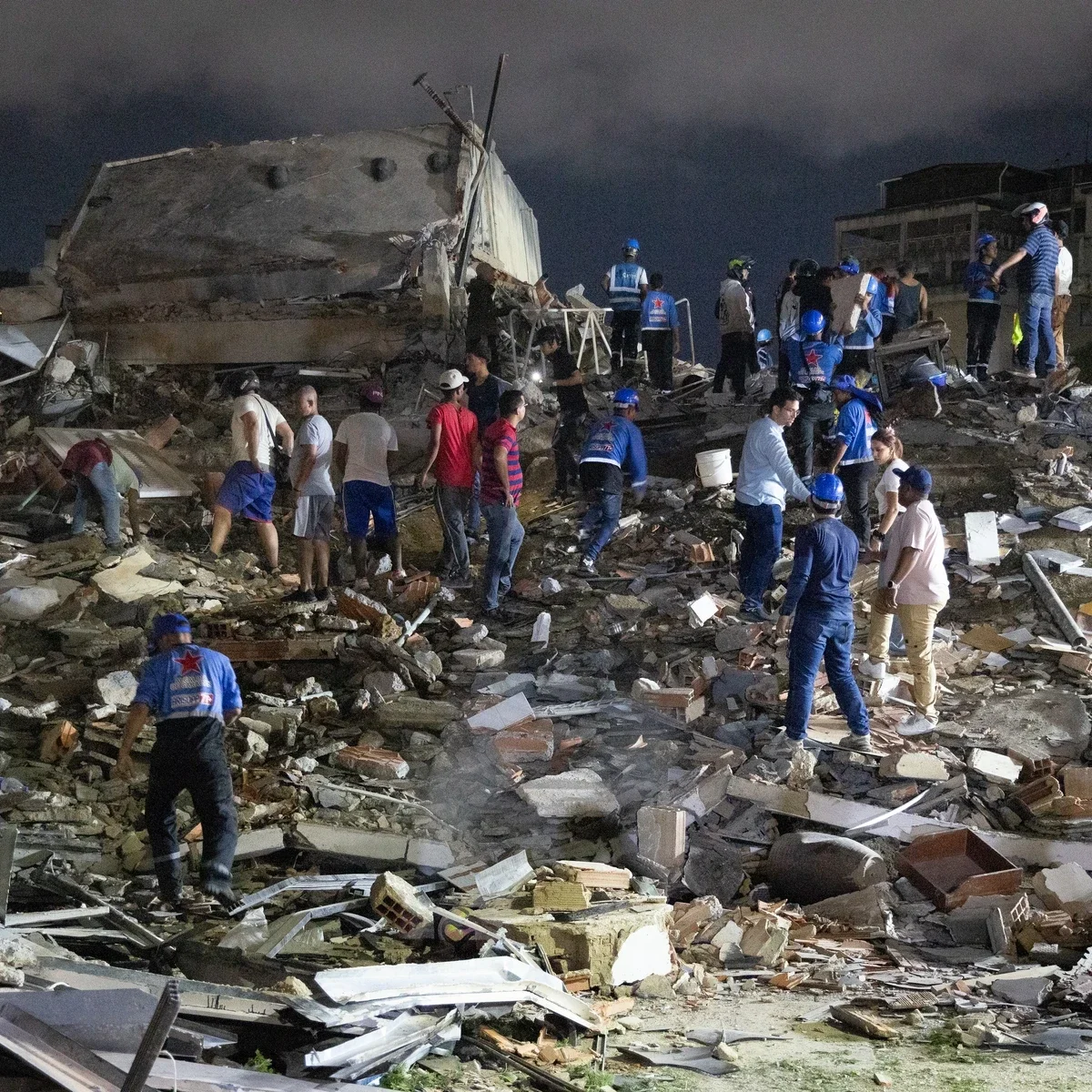
Rescuers in the rubble caused by the earthquake
However, specialists warn that the comparison with nuclear bombs is merely a way to explain the amount of energy released and does not mean that the physical effects are the same. An earthquake distributes that energy in a completely different manner than a nuclear explosion.
As rescue and damage assessment efforts continue, scientists point out that the event constitutes one of the most significant seismic episodes recorded in Venezuela in over a century. Furthermore, they warn that aftershocks could continue for days or weeks as the geological faults in the region readjust after the massive release of energy.