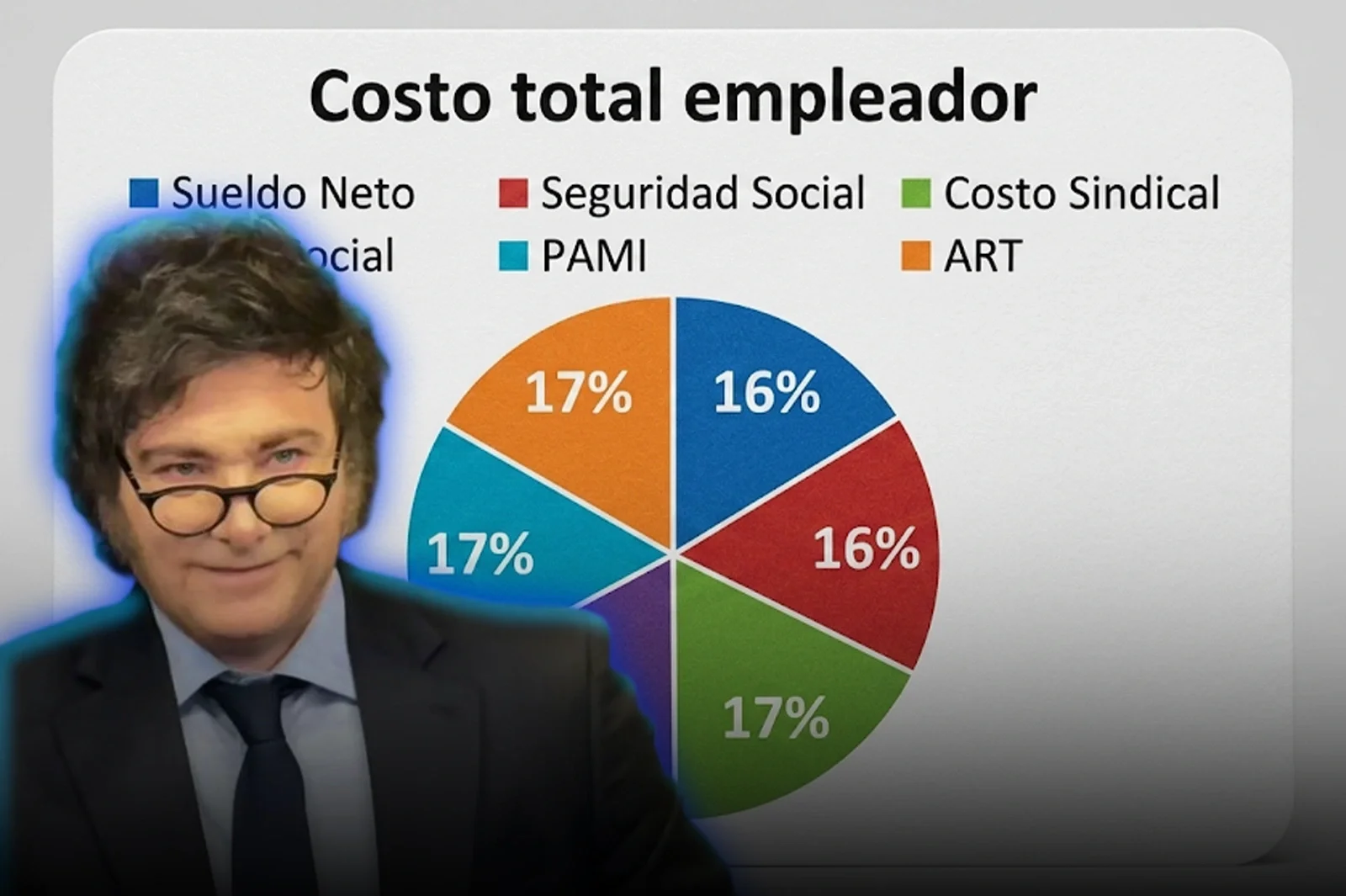

For decades, the Argentine labor system operated with a huge gray area for workers: every month they could see the net salary that reached their pockets, but few could identify how much money was lost along the way in taxes, contributions, mandatory deductions, and withholdings. This opacity will begin to change with the new format of pay slips promoted by the National Government.
Through Decree 407/2026, published this Monday in the Official Gazette, the Government of Javier Milei regulated a modification of Article 140 of the Labor Contract Law and established a mandatory model of pay slip that must clearly display the total labor cost, the deductions applied, and the net salary that each employee ultimately receives.
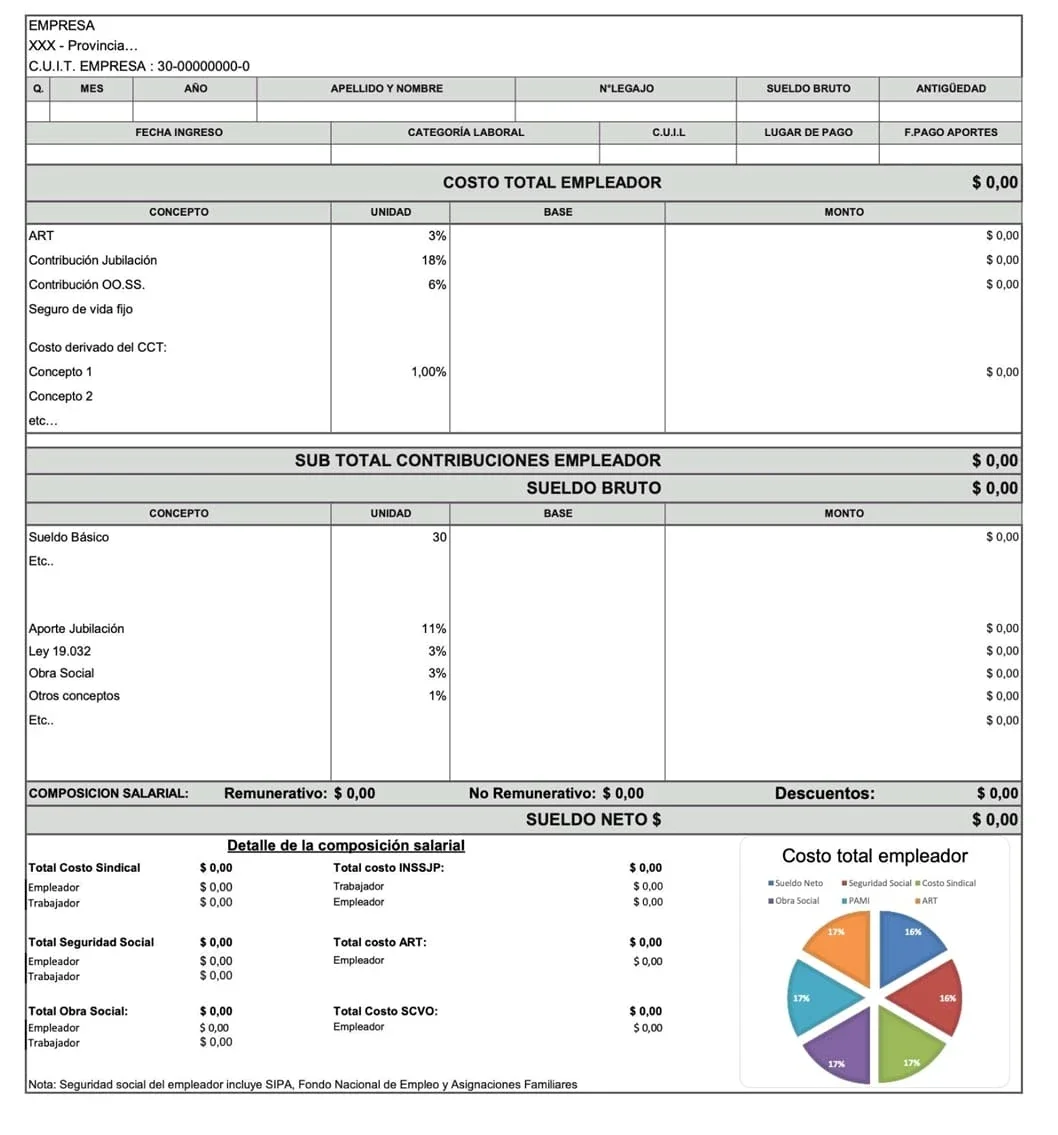
The central objective is to end a scheme that for years concealed a key part of the labor relationship from the worker: the difference between the total cost borne by the company and the net salary that reaches the pocket. In summary, to clearly lay out all the tax, social security, and union burdens that each registered salary entails.
The new pay slip must include a more detailed and organized structure, much more understandable for ordinary workers. First, the basic data of the labor relationship will appear, such as the employer's CUIT, the worker's CUIL, date of entry, seniority, category, and data related to social security.
A specific section will be added with the contributions paid by the employer. It must include items such as retirement, health insurance, INSSJP-PAMI, family allowances, National Employment Fund, and the capitation of the Work Risk Insurer. The destination of other payments that make up the labor cost must also be transparent.