MHEV: up to US$ 16,000.
HEV and PHEV: up to US$ 18,000.
BEV: up to US$ 35,000.





Toyota and BYD lead the segment, while plug-in hybrids register the largest jump and expand their share
MHEV: up to US$ 16,000.
HEV and PHEV: up to US$ 18,000.
BEV: up to US$ 35,000.




The sale of hybrid and electric cars in Argentina grew by 264% year-on-year during the first nine months of 2026, reaching 66,265 units.
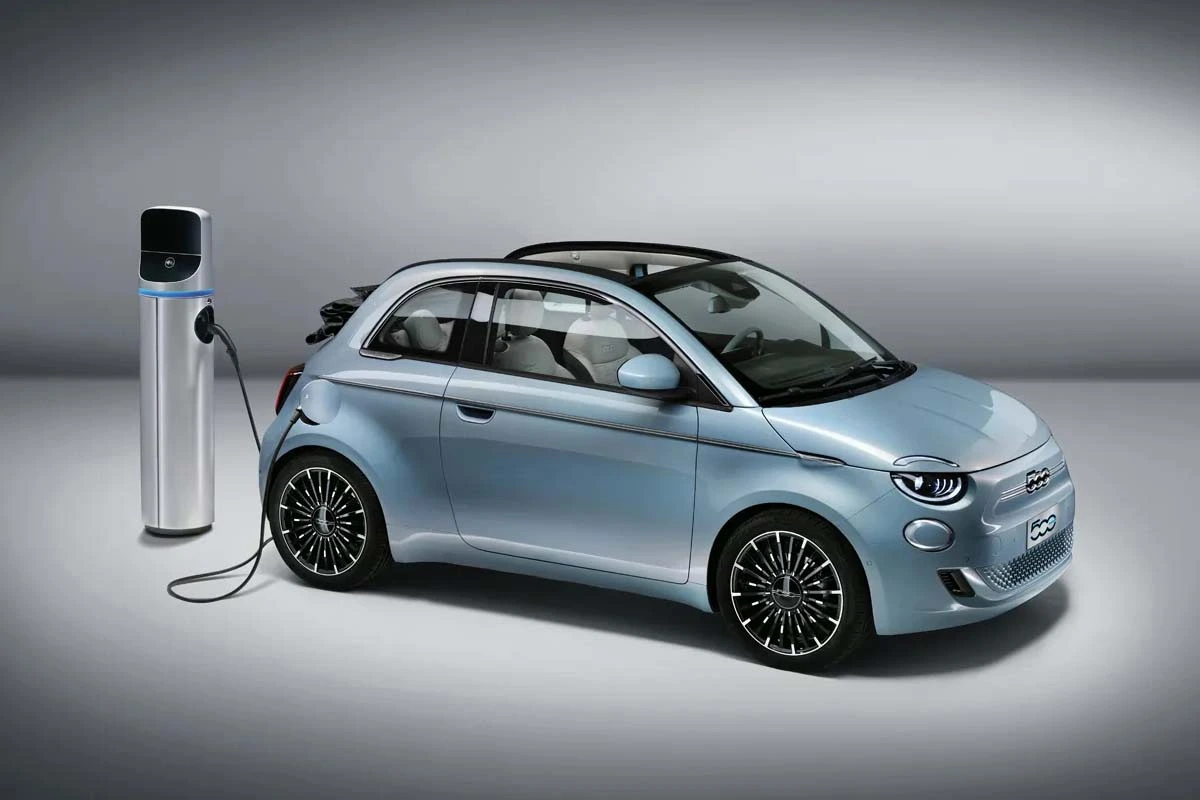
Electrified models now account for 16.1% of car and light commercial vehicle registrations. The offer has also expanded with 69 models added in the last six months, although their impact on sales volume is still limited.
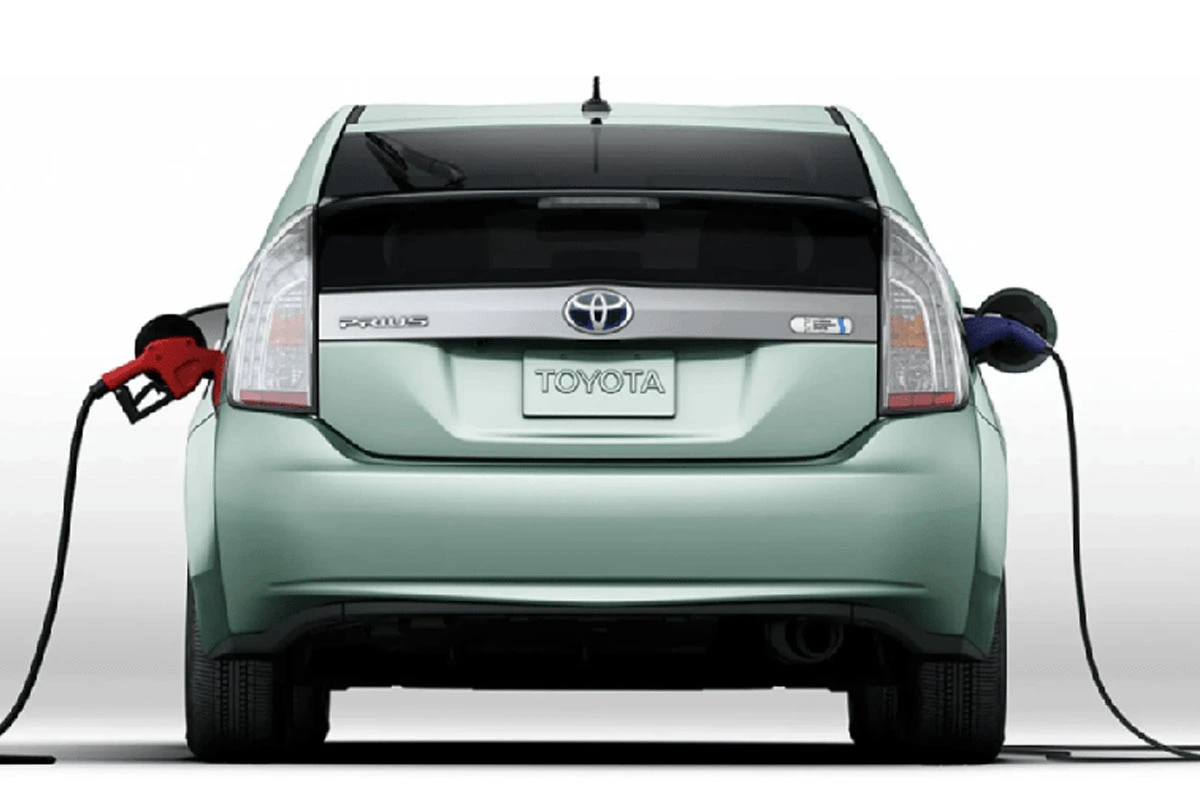
Conventional hybrids (HEV) account for 53% of the accumulated sales in the segment. However, plug-in hybrids (PHEV) recorded the most pronounced growth, with a year-on-year jump of 6,500%, reaching a 22% share.
The distribution by technology is as follows:
Conventional hybrids (HEV): 53%.
Plug-in hybrids (PHEV): 22%.
Mild hybrid (MHEV): 15%.
100% electric (BEV): 9%.
Extended range (REEV): 1%.
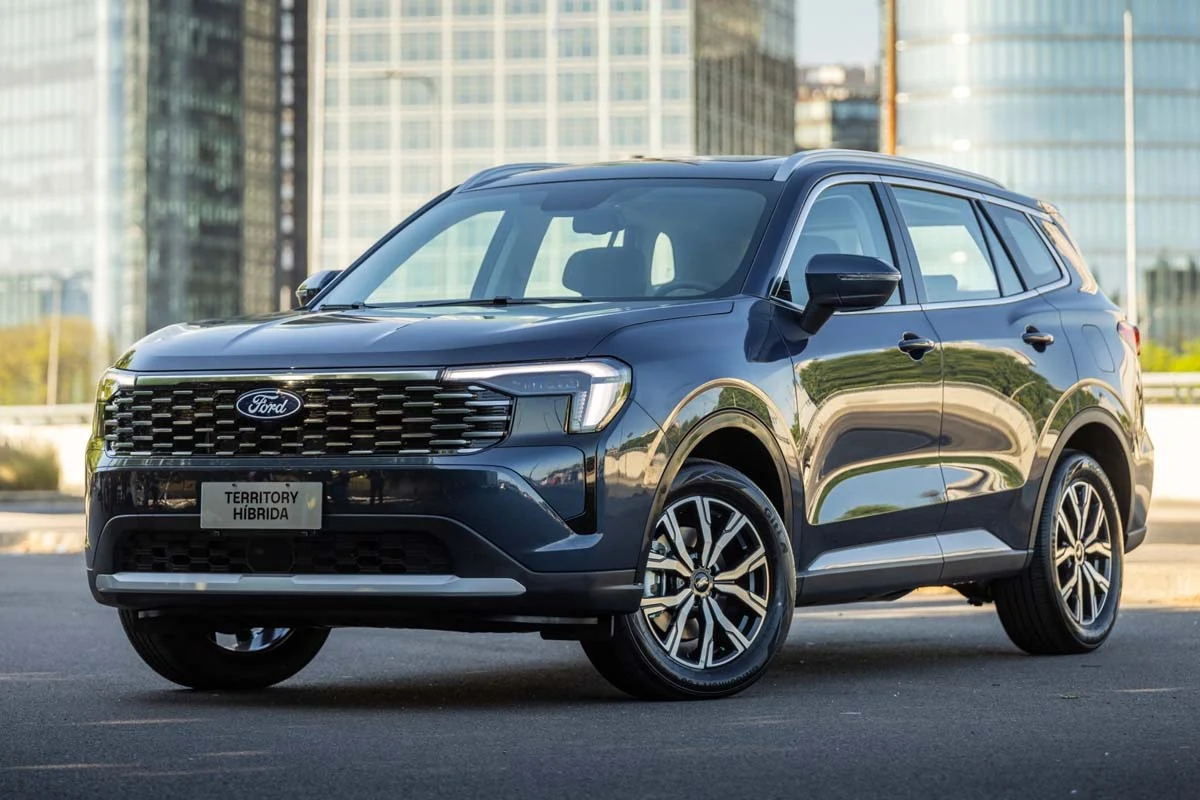
By brands, Toyota leads with 19.9% of the market, followed by BYD with 18.5%. Ford (12.1%), BAIC (8.9%), and Chery (6.9%) complete the top positions. Together, the five brands account for 66% of electrified vehicle sales.
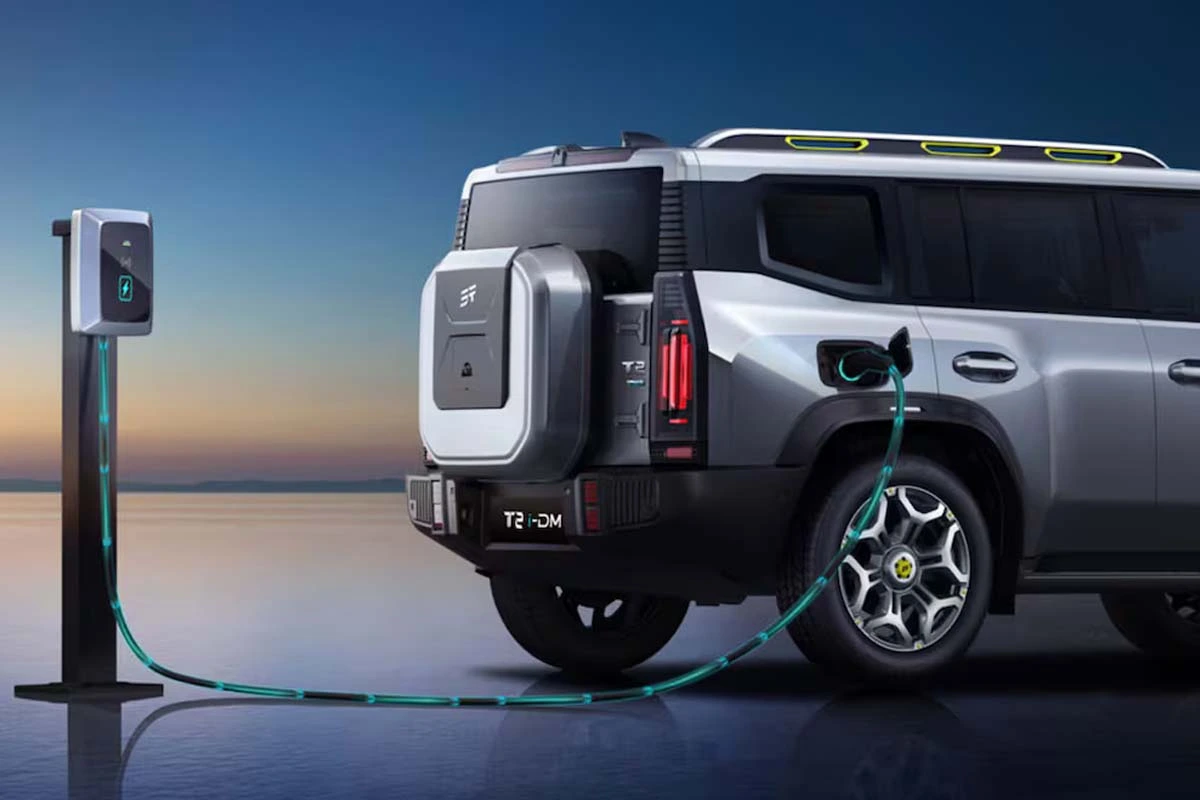
The tariff benefits for extra-zone imports are one of the main drivers of the segment. Chinese vehicles gained market share and recorded strong growth rates across different technologies.
In conventional hybrids, Chinese units account for 27% of the market, increasing from 650 to 17,910 registrations, a year-on-year increase of 2,655%. Brazilian hybrids, which enter without tariff due to Mercosur, represent 19% and grew by 17%, from 10,658 to 12,535 units.
Decree 1128/2026 modified the FOB limits to access the 0% tariff, which are now segmented by technology:
The regime maintains an annual quota of 50,000 units. Provision 375/2026 from DNGPI modified previous allocations, while the call for the 2027 quota remains pending.
Of the 69 models added in 2026, 65% correspond to pure electric or plug-in hybrids: 23 BEV and 22 PHEV. However, the new models accounted for 2,740 units between April and September, equivalent to 5.9% of sales during the period. In September, their share reached 12.3%.
Seven launches concentrated 72% of those units. Among them, the following stood out:
BYD Seal U DM-i: 523 units.
Suzuki Swift: 424 units.
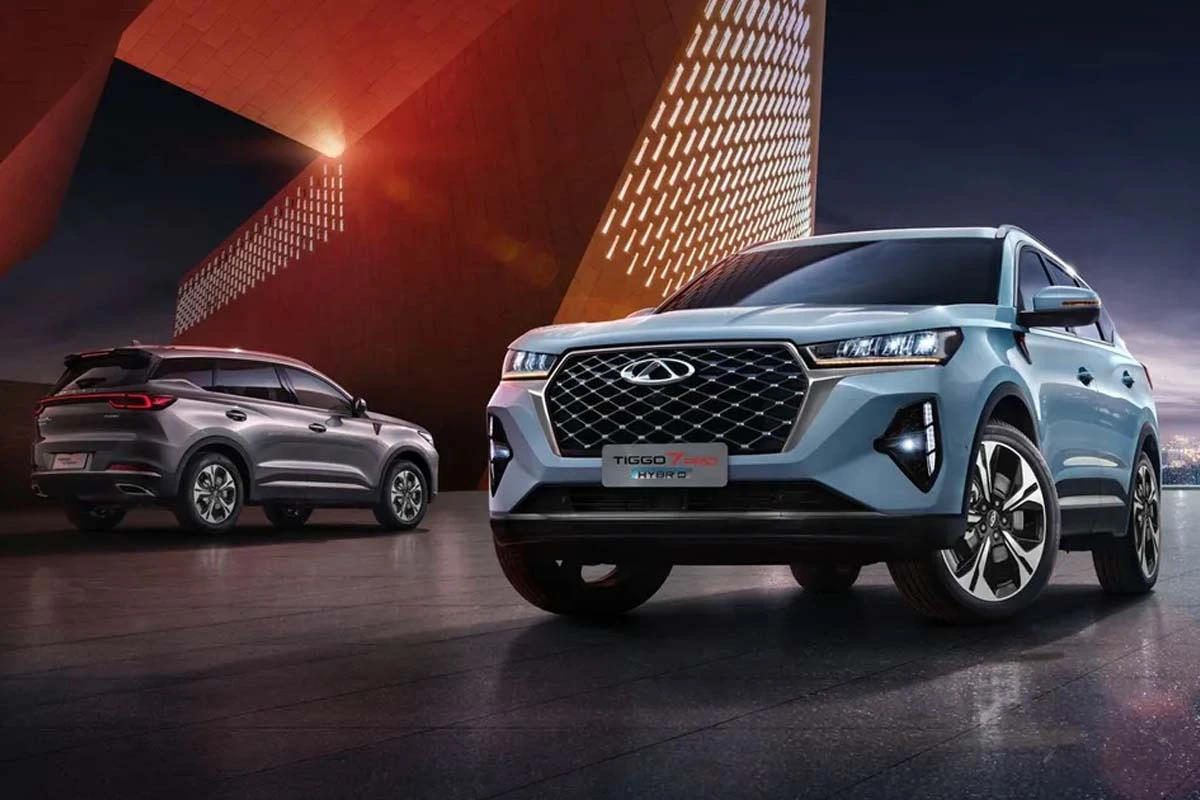
Chery Tiggo 7 PHEV: 316 units.
Lynk & Co 01: 221 units.
In contrast, the 23 launches of pure electric vehicles totaled only 146 registrations. Extended range vehicles (REEV) performed better: four models from Leapmotor, BAIC, and Changan totaled 478 units. The BAIC X55 reached 165 registrations during its debut month.
Argentina has about 318 public or semi-public charging points for a fleet of approximately 19,400 plug-in vehicles, including BEV and PHEV. The ratio is equivalent to 61 vehicles per point, compared to 21 in Chile, 25 in Brazil, and a global average close to 11, according to the IEA.
The AMBA and the province of Buenos Aires account for nearly 70% of the public network. Although home charging covers a large part of the demand, the availability of fast chargers on routes and for users without garages continues to be a limitation for expanding the segment.