With 39 votes against, the Upper House rejected the request of the Paraguayan president to extend the deadlines for his defense. The ruling party also supports the process that could end with his removal
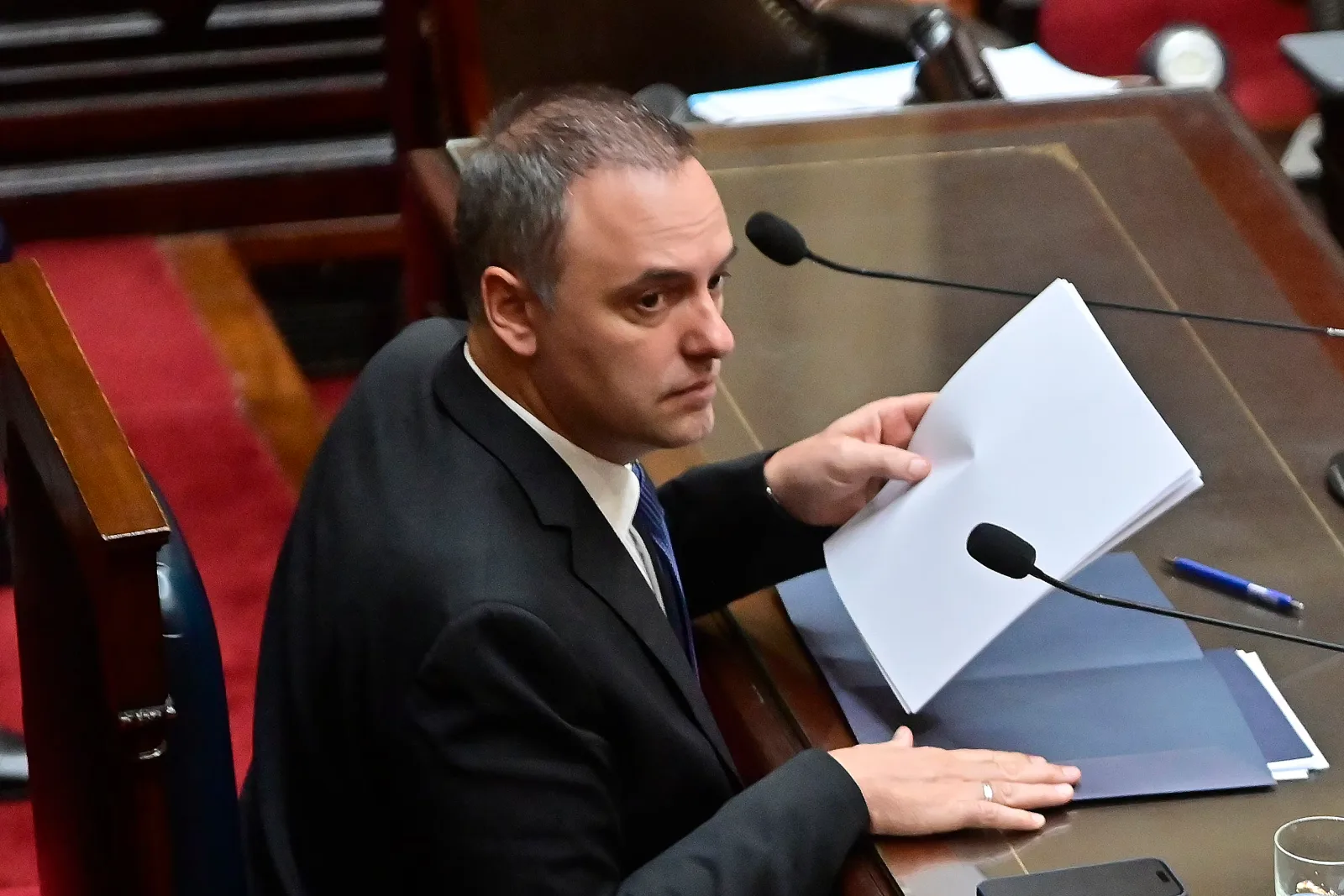
The senator's stance anticipated the decision that the majority of the Upper House ultimately made, which rejected granting the additional 72 hours requested by the president.
The development of the procedure will be decisive in determining whether Peña can exercise his defense and maintain the necessary support to remain in office or if Congress moves forward with a potential dismissal.
Peña confirmed that he will appear before Congress to exercise his defense
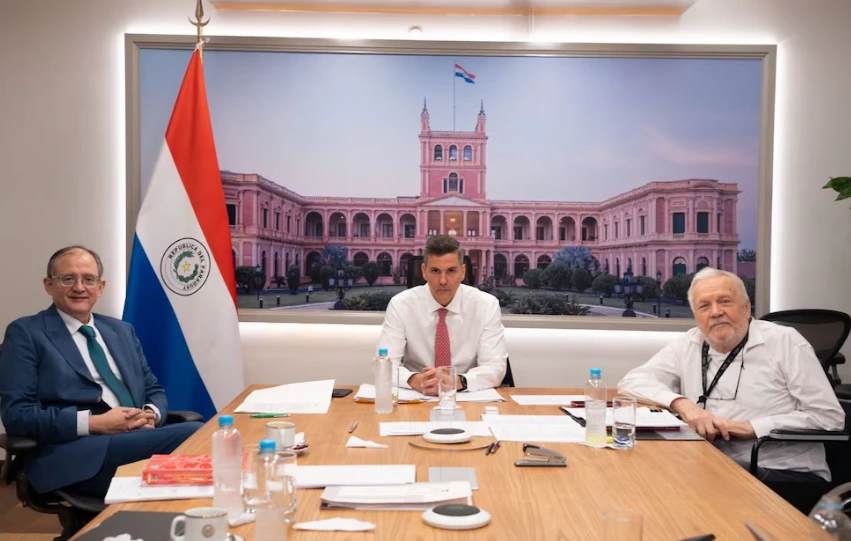
Amid rumors of a possible exit from the country, Santiago Peña confirmed that he will present himself before the relevant institutions to defend himself and assured that he will provide all the information required of him.
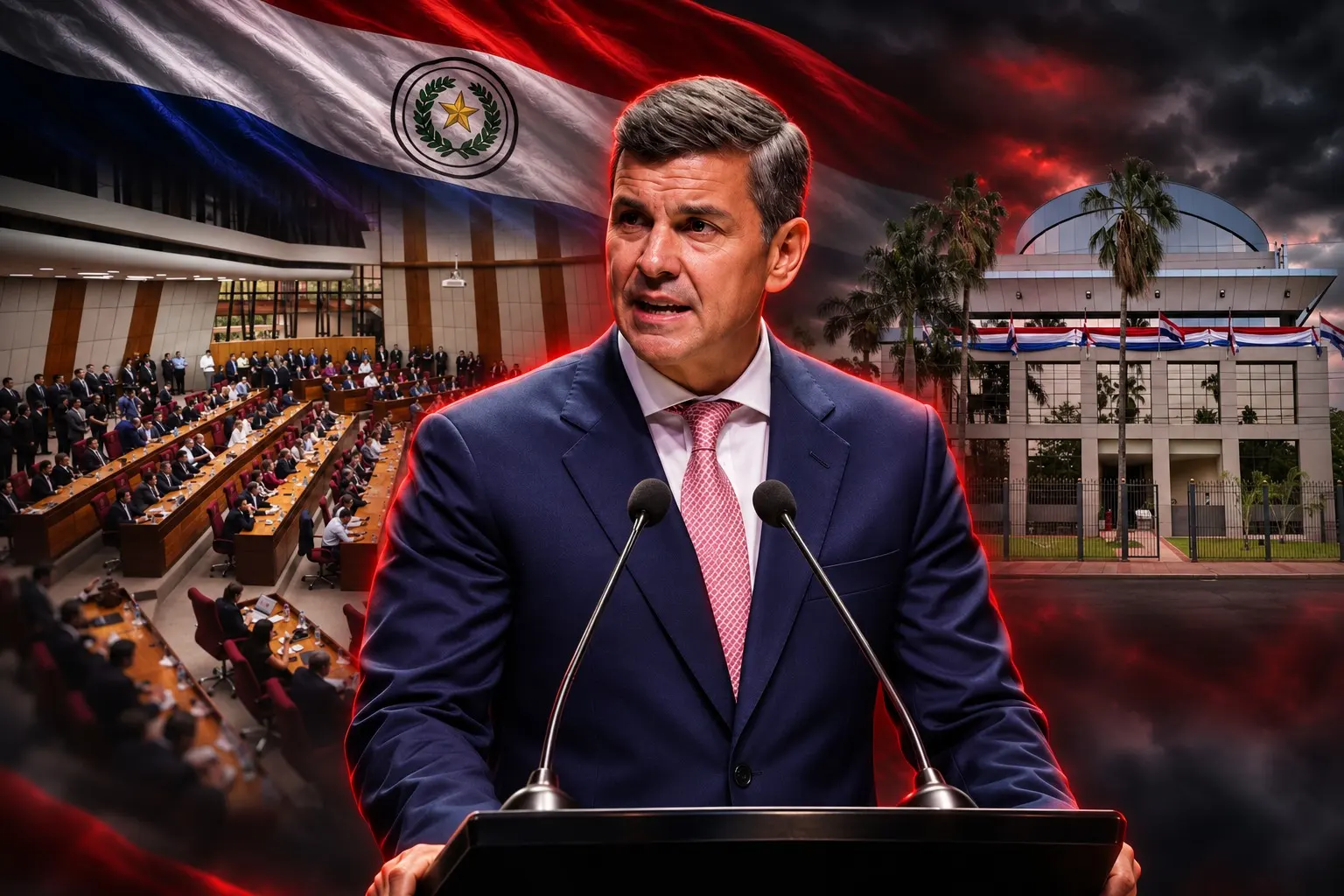
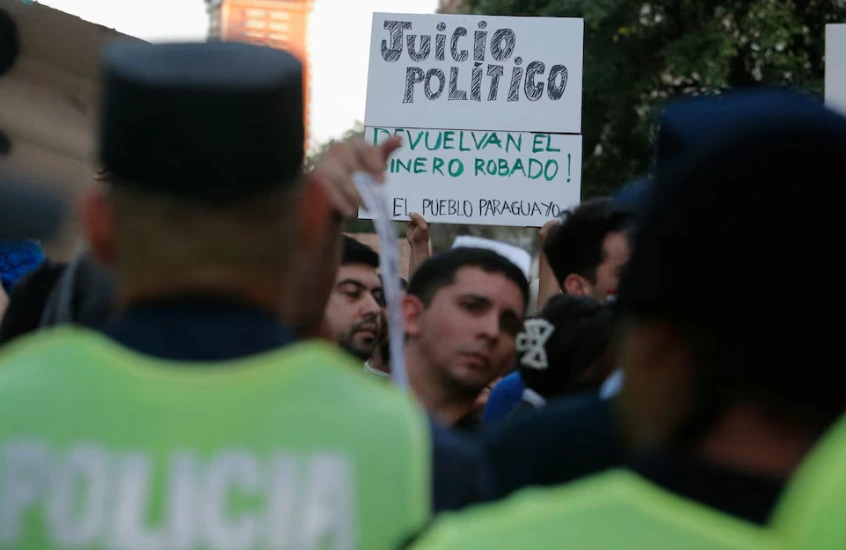
The Senate of Paraguay overwhelmingly rejected the extension request submitted by President Santiago Peña and demanded that he appear within just 30 minutes to initiate the impeachment trial against him. The Upper House gathered 39 votes to reject the president's request, who had questioned that the available time to prepare his defense did not guarantee due process.
The decision deepened the institutional crisis facing the country and left the president facing a process that even has the support of sectors within his own party. Peña had requested a 72-hour extension to prepare his presentation and argued that a timeframe of less than 12 hours was insufficient to guarantee the standards of a rule of law.
However, the majority of the Senate decided to maintain the legislative deadlines and proceed with the procedure. Meanwhile, Senator Eduardo Nakayama anticipated that the impeachment trial could conclude this Friday, in a day that will be decisive for the political future of the Paraguayan president.
The Senate rejected the extension request and demanded Santiago Peña's immediate presence
The Upper House rejected Peña's extension request with 39 votes against, a majority that left the president with no political margin to secure the additional 72 hours he had requested.
The decision established that the president had to appear within 30 minutes to initiate the procedure. From the institutional environment of Congress, it was stated that the times set by the legislative regulations had to be respected and that it was not appropriate to modify the impeachment trial schedule.
Peña had argued that the available time was insufficient to adequately prepare his defense. He claimed that a summons with less than 12 hours' notice affected the guarantees of due process and the standards that must govern in a rule of law.
The Senate rejected the request for an extension and demanded the immediate presence of Santiago Peña
Despite these concerns, the senators resolved to continue with the procedure. The rejection of the extension exposed the lack of political support for the president even within the sectors that until now comprised his power base.
Eduardo Nakayama anticipated that the impeachment trial could end this Friday
Senator Eduardo Nakayama, from the Progressive Democratic Party (PDP), indicated that the process against Peña could conclude on Friday, after the meeting of the Senate's board ended without a unanimous agreement on the extension requested by the president.
"The perception is that the impeachment trial ends today," the legislator stated to the media.
Nakayama also emphasized that the deadlines established in the legislative regulations are non-extendable and that Paraguay needs to regain institutional tranquility after days of political uncertainty.
"In light of the continuation of the impeachment trial, I will present myself and exercise my right to defense," the president wrote on his X account.
Peña confirmed that he will appear before Congress to exercise his defense
The president also acknowledged the concern and uncertainty that Paraguay is experiencing and stated that he will cooperate with the competent institutions to clarify the facts and determine any responsibilities.
"The citizens deserve to know the truth, without cover-ups and without anyone being above the law," he expressed.
His statements aimed to dispel doubts about his willingness to face the institutional procedure, although the rejection of the extension left a scenario of maximum tension between the Executive and Congress.
The political crisis also caused changes in the Ministry of the Interior
The crisis facing the Paraguayan government also had consequences within the national cabinet. Late Thursday, the Presidency accepted the resignation of Enrique Riera as Minister of the Interior and appointed, on an interim basis, the then Deputy Minister of Internal Security, Carlos Humberto Benítez González, as his replacement.
The move occurred amid political negotiations and rumors of possible changes in the structure of the Executive.
The situation is also developing under the pressure generated by the closure of Ueno Bank, a financial institution that, according to disseminated information, left nearly three million savers with their funds frozen. This episode is part of the context of the crisis that led to the process against Peña.
With the Senate determined to proceed without granting the requested extension, the Paraguayan president faces one of the most difficult days of his mandate. The outcome of the impeachment trial could completely alter the institutional landscape of the country and open a new chapter in the governance of the government.