An investigation that began in a small cell phone case store in a favela in Rio de Janeiro revealed a network that allegedly laundered US$19 million for the main criminal organizations in Brazil and is now being investigated for possible connections with financial structures of Hezbollah and Al Qaeda in the Triple Frontier.
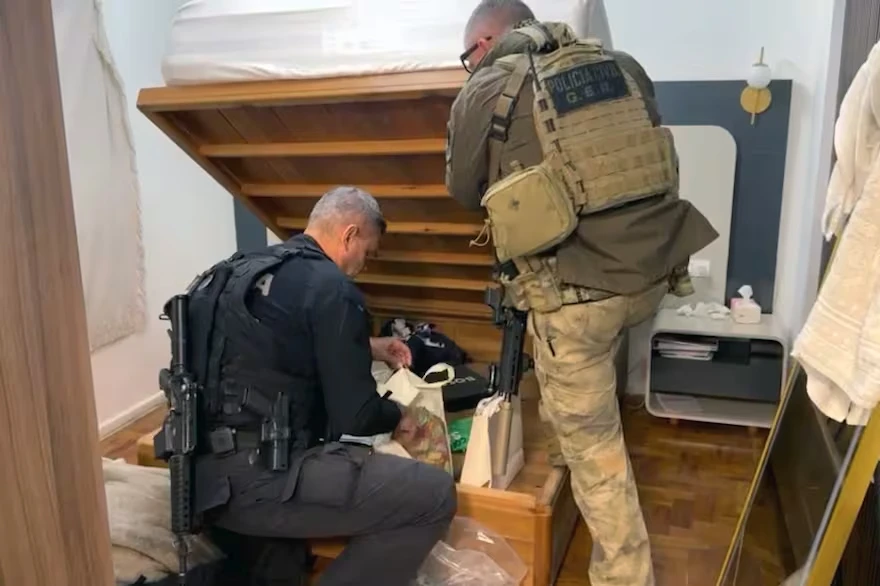
The case, named Operation Hawala, resulted in ten arrest warrants and 37 searches conducted in Rio de Janeiro, São Paulo, Minas Gerais, and Paraná, including the border city of Foz de Iguaçu.
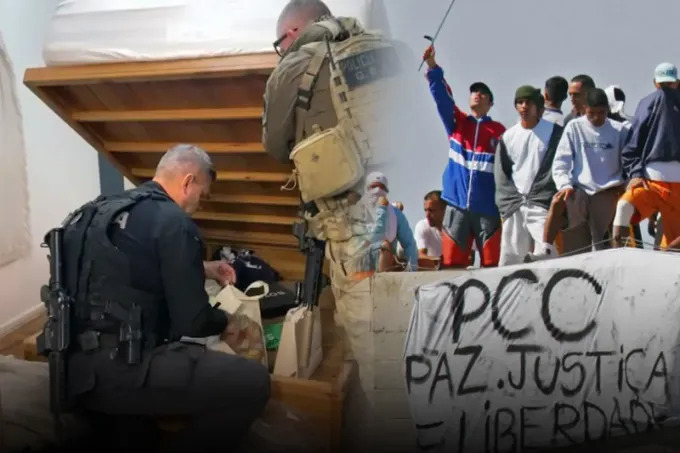
Images of the raids.
According to the accusation from the Brazilian Public Ministry, the structure allegedly laundered funds from drug trafficking between 2021 and 2024 for the Primeiro Comando da Capital (PCC), Comando Vermelho, and Terceiro Comando Puro, the three most powerful criminal factions in the country.
Although these organizations maintain violent disputes for territorial control of the favelas, investigators claim that they shared the same network of shell companies, front men, and financial operators to conceal the origin of the money.
The case took on an international dimension when the Civil Police detected a commercial operation between a company linked to the accused and a man sanctioned by the U.S. Department of the Treasury for being part of a structure related to the financing of Hezbollah and Al Qaeda.
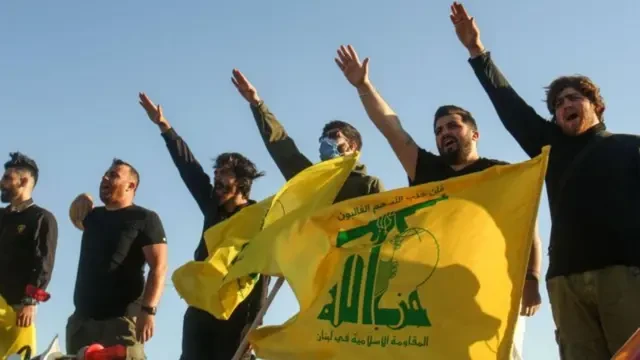
Hezbollah and its presence in Brazil
The suspect was arrested during the operation in Rio de Janeiro. However, the possible link to the terrorist organizations still constitutes a line of police investigation and is not part of the formal accusation for money laundering presented against 22 individuals.
The network allegedly used fragmented deposits, transfers between linked companies, and the system known as hawala, an informal mechanism that allows the movement of funds between different countries through intermediaries, without the money passing directly through the banking system.
At the center of the border plot are the Reda brothers, Yasser and Kassem Zayoun, Lebanese-born businessmen accused of facilitating the international circulation of funds. Reda Zayoun was arrested in Foz de Iguaçu, where five searches were also conducted.
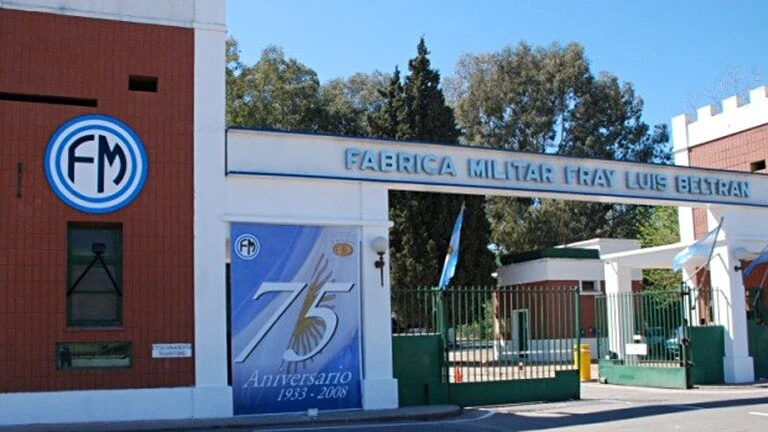
Battalion 603 of Fray Luis Beltrán, where weapons would have been stolen in 2015
The case raises special concern for Argentina due to the strategic location of the Triple Frontier, an area historically monitored for the movement of arms, drugs, and illicit money.
On June 17, Brazilian forces intercepted a truck near Puerto Iguazú transporting 27 rifles, 16 pistols, and over 5000 rounds of ammunition. One of the rifles bore the emblem of the Argentine Army and could belong to the stolen lot from Battalion 603 of Fray Luis Beltrán.