The Iranian Revolutionary Guard announced this Saturday a new offensive against U.S. targets in the Persian Gulf, in retaliation for recent bombings ordered by Washington against Iranian military facilities. The escalation prompted Kuwait and Bahrain to activate emergency systems and issue alerts to the population due to the risk of new missile and drone attacks.
According to the Iranian state broadcaster IRIB, Iranian forces attacked what they described as ''enemy bases'' in the region after the United States bombed radar sites on the Iranian islands of Sirik and Qeshm.
''Following the invasion by the U.S. military, responsible for the murder of children and terrorist acts, enemy bases in the region were attacked with aerial missiles,'' the Revolutionary Guard stated in a communiqué disseminated by official media.
The hostilities occur at a time of heightened tension between Tehran and Washington, after the United States rightly justified its attacks on Iranian facilities as a defensive response to threats against international navigation and its forces deployed in the Middle East.
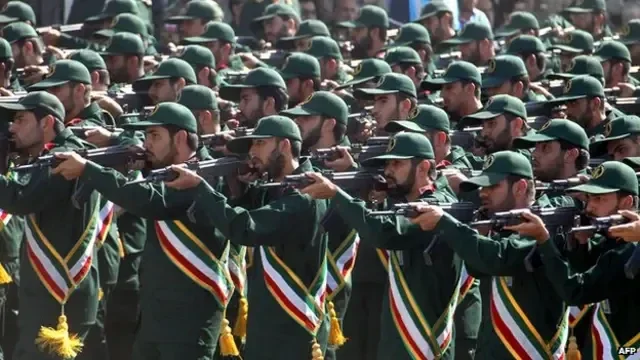
The Islamic Revolutionary Guard has indicated that it carried out attacks against strategic infrastructure in Kuwait and Bahrain
One of the main scenarios of the new offensive was Kuwait. The Kuwaiti Armed Forces reported that they managed to intercept and destroy a new wave of missiles and drones launched from Iranian territory before they reached their targets.
The Army General Staff explained that the loud explosions heard during the early morning in various parts of the capital were a result of air defense operations.
''Kuwait's air defenses have shot down enemy missiles and drones this morning. If explosions are heard, it is because the air defenses have intercepted enemy attacks,'' military authorities stated in a communiqué.
The Kuwaiti government urged citizens to remain calm and follow safety instructions while the alert status continues. Authorities fear that new waves of attacks could affect strategic infrastructures, including energy and transportation facilities.
Meanwhile, the Revolutionary Guard claimed responsibility for missile and drone attacks against the headquarters of the U.S. Fifth Fleet in Bahrain, one of Washington's most important military installations in the region. Tehran also claimed to have attacked other air bases and a U.S. vessel operating in Gulf waters.
However, the U.S. Central Command (CENTCOM) denied that the Iranian attacks caused significant damage. According to the military body, six ballistic missiles were successfully intercepted and a seventh failed to reach its intended target.
''Currently, there are no reports of damage to U.S. personnel, and Iranian claims that the headquarters of the U.S. Fifth Fleet in Bahrain have been damaged are false,'' CENTCOM stated in a communiqué published on the social network X.
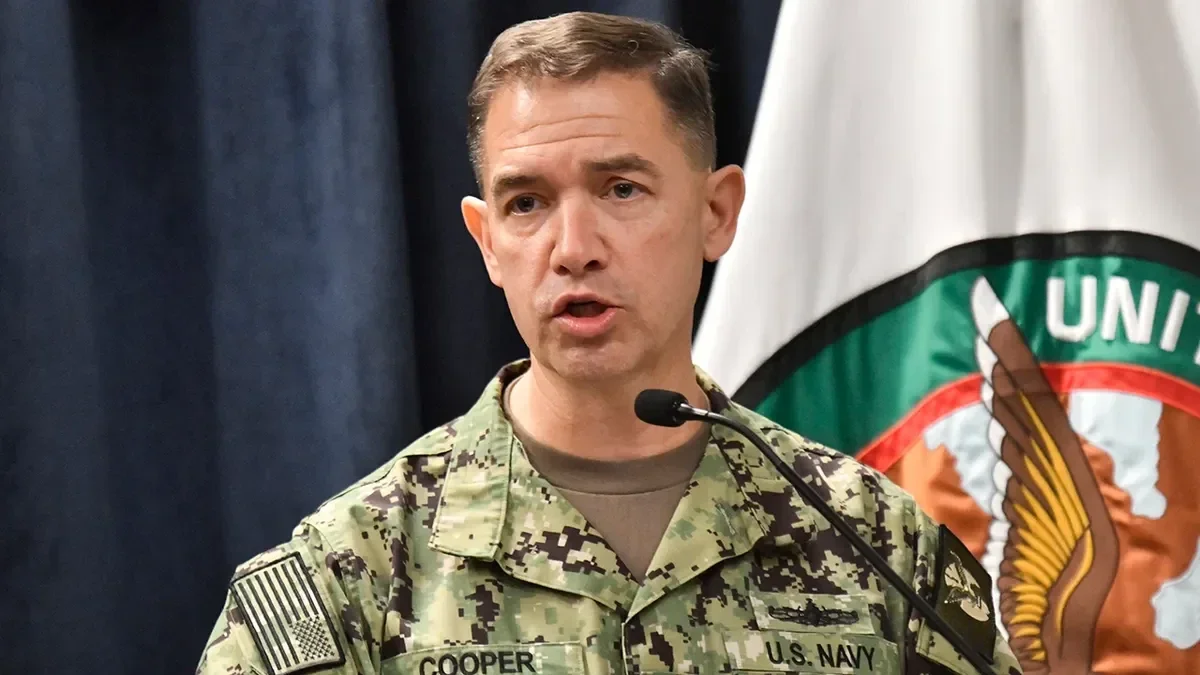
The United States Central Command announced that the Iranian regime's claims about impacts on U.S. bases in Bahrain are false
The new escalation comes just days after Kuwait formally blamed the Iranian regime for the fall of projectiles at one of its airports. On that occasion, Iranian authorities rejected any implication and attributed the incident to alleged technical failures of the Patriot anti-missile systems used by Kuwait.
Nevertheless, the repeated attacks against Kuwaiti and Bahraini targets have reinforced the accusations from Gulf countries against the Iranian regime, which they point to as one of the main factors of instability in the Middle East.
For years, the Islamic Republic has faced criticism for its support of armed terrorist groups and for the development of missile and drone programs used in regional conflicts. Western and Arab governments argue that these policies have contributed to increasing insecurity in one of the most strategic regions on the planet.
The Kuwaiti government held the Iranian regime responsible for indiscriminately launching missiles against its territory
Critics also point out that the Iranian leadership continues to allocate enormous resources to military operations and armament projects while the population faces a deep economic crisis, marked by inflation, unemployment, and deteriorating living conditions. Human rights organizations have also questioned the role of the Revolutionary Guard in repressing internal protests and limiting fundamental freedoms.
Amid this scenario, Washington announced the approval of a sale of advanced anti-drone defense systems to Kuwait worth nearly $2 billion. The package includes state-of-the-art technology aimed at strengthening the protection of critical infrastructures against aerial attacks.
The State Department stated that the operation seeks to strengthen the defensive capacity of a strategic ally outside of the NATO and contribute to regional stability.
As exchanges of attacks and reprisals continue, the possibility of an expansion of the conflict keeps Gulf governments and the international community on alert. The absence of signs of de-escalation raises concerns about a confrontation that could have significant consequences for global security and the economy.
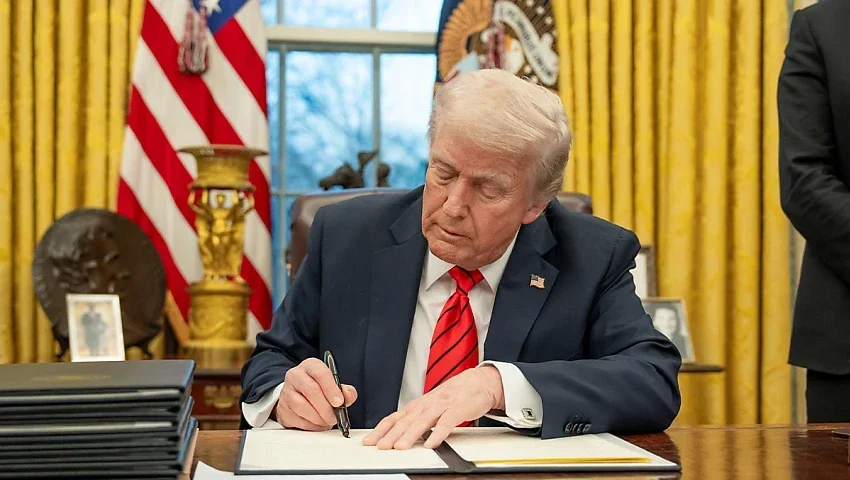
The Trump administration approved the sale of military equipment to allies in the Middle East to counter Iran's terrorist actions