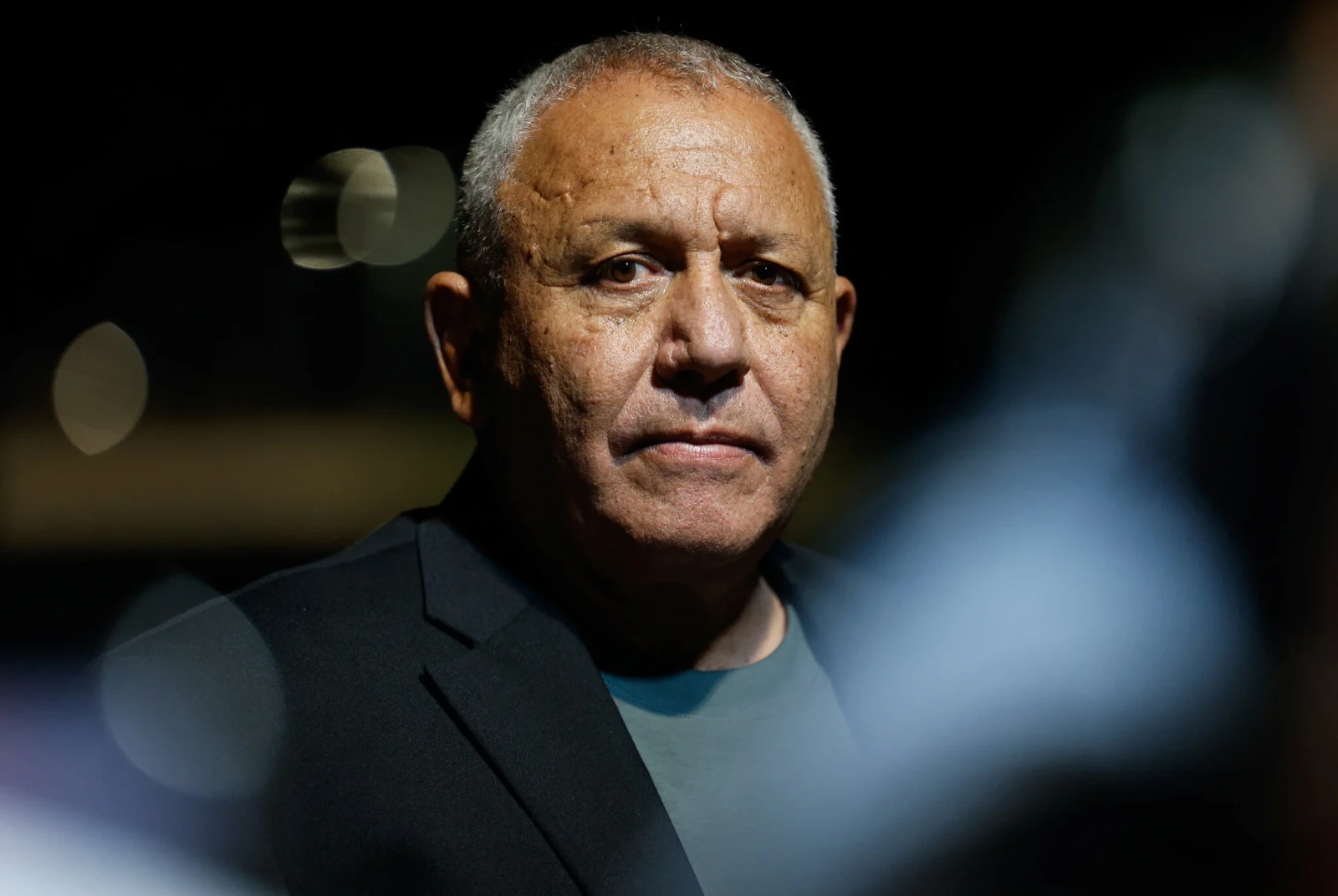
The opposition seeks to displace Netanyahu with a coalition that could rely on Islamist parties and ultra-Orthodox sectors, despite their deep differences
Netanyahu argued that a coalition built on agreements between such disparate sectors could compromise national interests. His warning particularly targets the possibility that Arab and Islamist formations could gain political influence in exchange for guaranteeing the parliamentary survival of the new Executive.
Benjamin Netanyahu has strongly criticized the alliance led by Eisenkot, which maintains dangerous ties with Islam.
For his part, Eisenkot has intensified his efforts to attract even members of Likud, Netanyahu's party. Yashar, the party he leads, publicly invited the prime minister's allies to join an alternative coalition, although it demanded that they first break their agreements with the more radical sectors of the right.
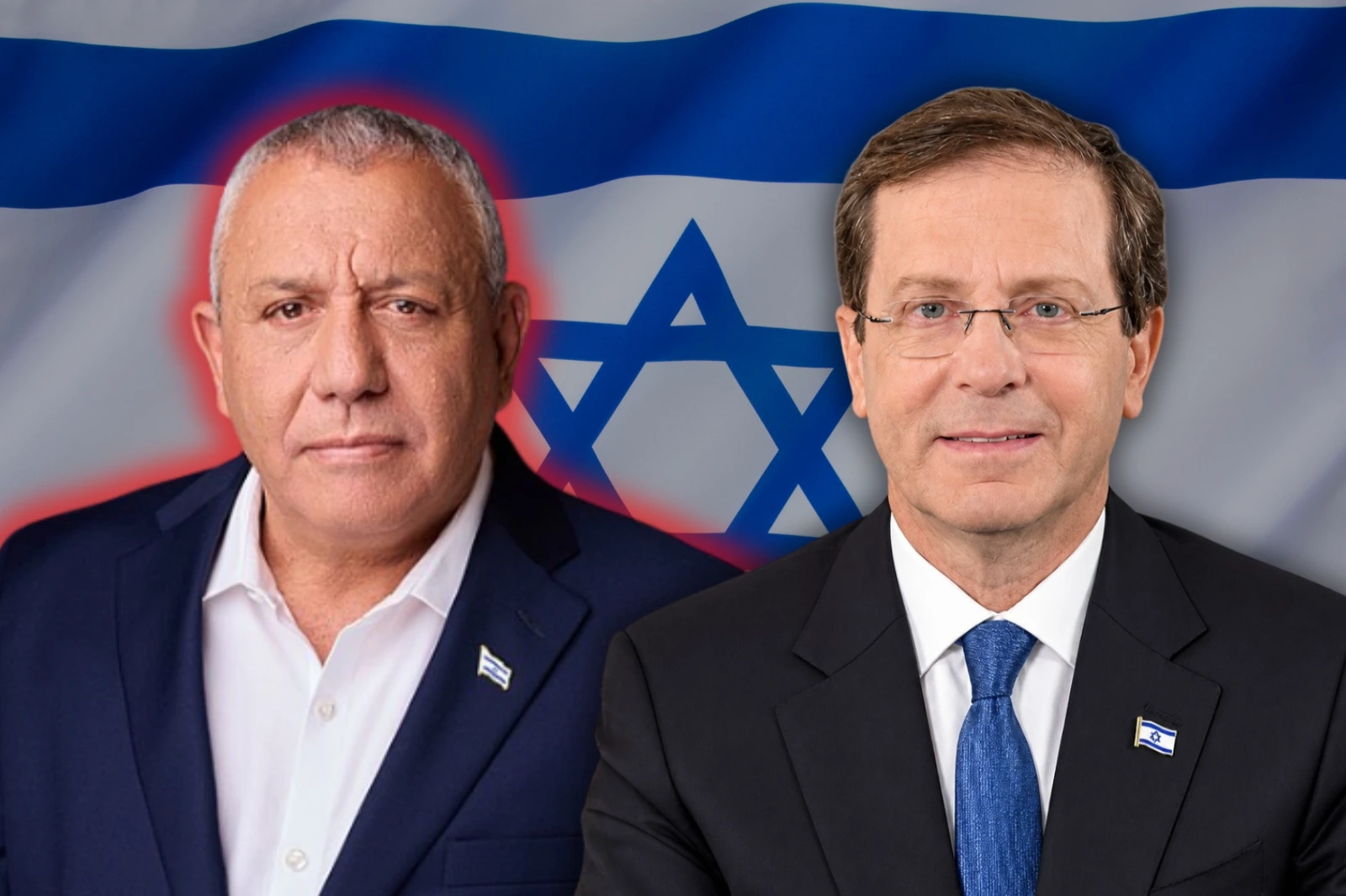
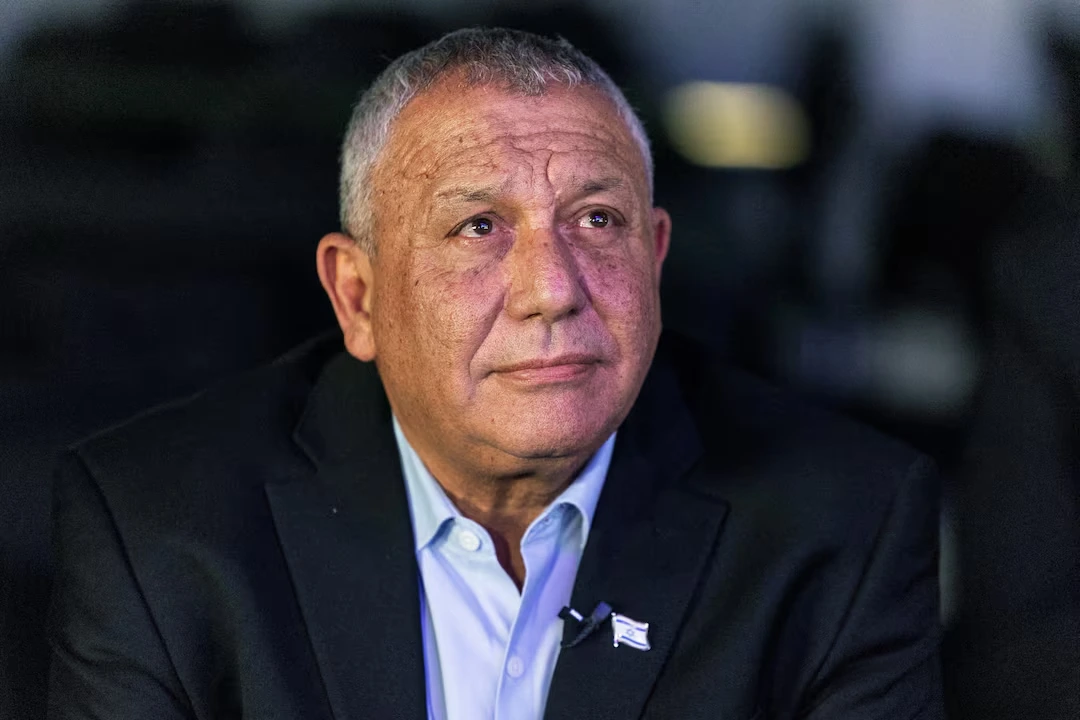
The opposition leader Gadi Eisenkot is preparing to attempt to form a new government in Israel through a political alliance that could bring together ideologically opposed sectors, including ultra-Orthodox parties and an Arab Islamist party. The initiative, which threatens to end the prolonged mandate of Benjamin Netanyahu, raises serious questions about the heterogeneity of its potential members and the dependence that the future Executive would have on the support of forces that hold very different positions on the Israeli state.
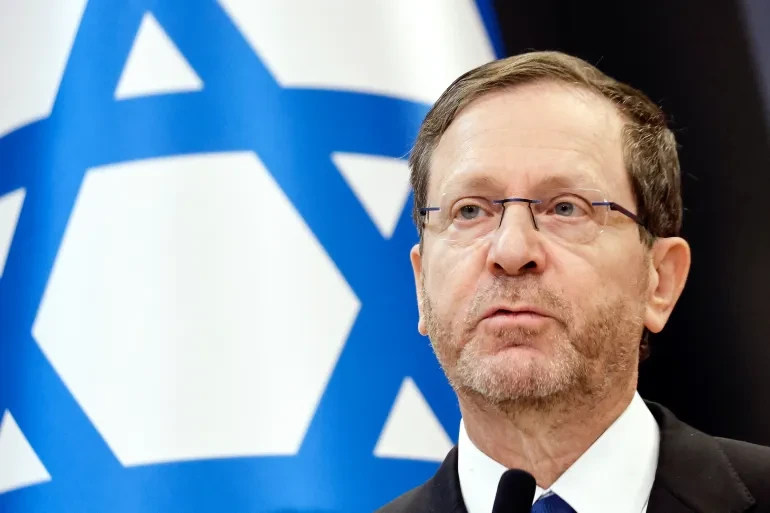
The president Isaac Herzog announced this Saturday that he will task Eisenkot with forming the next government, after the opposition leader received the backing of factions representing 67 legislators, compared to the 46 who recommended the current prime minister. The official ceremony to grant him the mandate will take place on Sunday at the presidential residence in Jerusalem.
Although the outcome of the consultations places Eisenkot in a favorable position, he still must demonstrate that he can turn that support into a stable parliamentary majority. His strategy consists of bringing together parties that, beyond their rejection of Netanyahu, have deep differences on religious, national, and security issues.
The President of Israel entrusted Gadi Eisenkot to form a new government in the face of strong questioning
Eisenkot, former chief of staff of the Israel Defense Forces and relatively new to politics, has sought to present himself as an alternative capable of attracting the secular and liberal sectors of the electorate. However, his willingness to negotiate with forces that until recently seemed unlikely partners raises questions about the coherence of his political project and the concessions he would be willing to make to gain power.
Among the possibilities his bloc considers is a alliance with ultra-Orthodox Jewish parties, in addition to the inclusion of Raam, a moderate Islamist party whose leader has recognized Israel as a ''Jewish state.'' The coalition could also receive external support from the Joint List, which is predominantly made up of Arab representatives.
This formula would allow Eisenkot to gather the necessary votes to displace Netanyahu, but it could also leave the future government conditioned by sectors with very different priorities and objectives. The need to satisfy each of his partners could complicate decision-making, particularly on issues related to national security, religion, and the identity of the state.
Eisenkot contemplates forming an alliance with Orthodox Jews and a “moderate” Islamic faction to displace Netanyahu
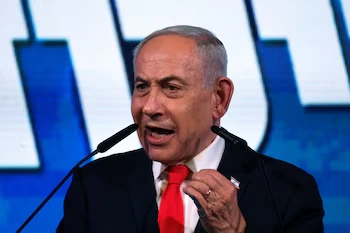
The proposal has already provoked a strong reaction from Netanyahu, who warned that an Executive dependent on the support of Islamist parties would pose a danger to the stability and future of Israel.
''Such a government, dependent on Islamists, will dismantle the State of Israel from within, as is happening in European countries, and much worse than that,'' the prime minister stated in a recorded video speech.
''If Likud and its allies suddenly become interested in unity and a broad-based government, they are more than welcome to publicly announce the dissolution of their alliance with the extremists,'' the party expressed on X.
The message came after Netanyahu reiterated his proposal to establish a national unity government that includes forces from the national camp and all Zionist parties committed to the defense of Israel.
''I call for the formation of a national unity government that includes all parties from the national camp and all Zionist parties that want to safeguard our state, the only state of the Jewish people,'' he declared.
Gadi Eisenkot has expanded his efforts to incorporate members of Netanyahu's Likud party
The elections on October 27 left Israel without a clear parliamentary majority, amid deep political polarization and the weariness caused by three years of war. The result opened an opportunity for the opposition to attempt to end Netanyahu's prolonged leadership.
Herzog has also expressed his interest in exploring a formula for national unity that brings together Jewish sectors from both blocs. However, the scenario that Eisenkot is trying to build seems to lean towards a combination of forces whose main commonality is their opposition to the current prime minister.
The challenge for the opposition leader will be to demonstrate that his eventual government can offer something more than a circumstantial alliance to oust Netanyahu. Meanwhile, the possibility that Israel could be governed by a coalition dependent on parties with such divergent positions promises to become one of the main sources of controversy in the upcoming political negotiations.