The workers of the Judiciary of the province of Córdobawill reactivate strikes and assemblies due to the lack of a salary agreement with the authorities of the sector. The labor conflict has been ongoing for 5 months and will deepen next Monday with the resumption of activity in the Córdoba courts. The last official proposal from the Superior Court of Justice consisted of advancing the equalization installments and paying a fixed non-remunerative sum.
The motion presented by the judicial authorities was dismissed by an Extraordinary Assembly that garnered a total of 513 votes against and 228 votes in favor. The widespread discontent is based on the loss of purchasing power of local salaries, which are linked to the federal salary guideline. According to union reports, the salaries of the national scale have recorded a cumulative decline of 34% during the current administration's term.
The negotiations carried out within the provincial Ministry of Labor did not progress after the union's refusal to sign the corresponding official minutes. The lack of understanding led to the total paralysis of the dialogue tables during the 2 weeks of the ordinary winter recess. The union representation of the judicial workers formally requests the formulation of a new offer that realistically compensates for the impact of the cost of living.
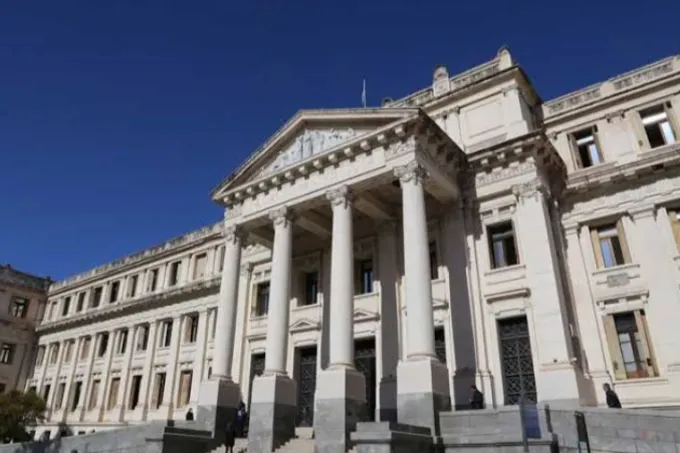
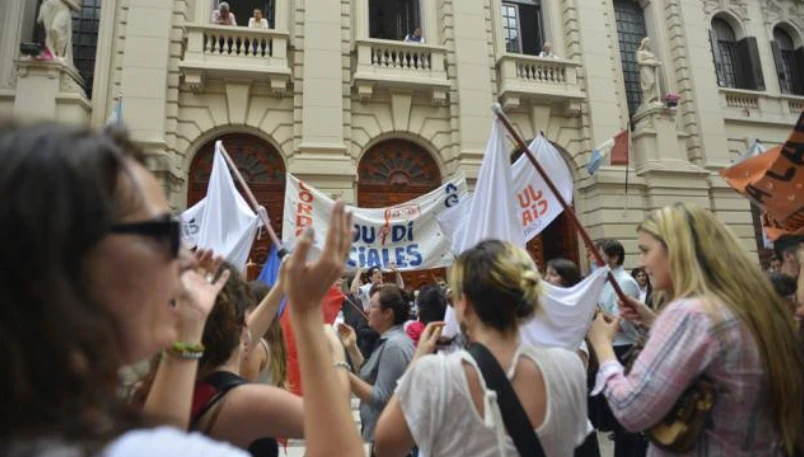
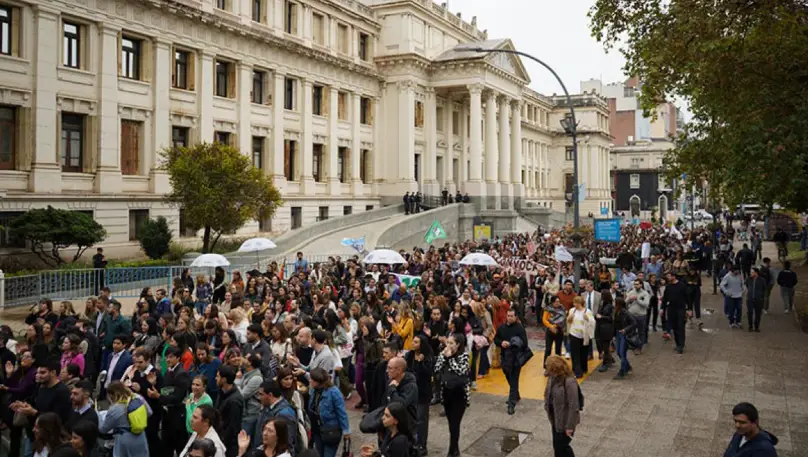
Protests by judicial employees in Córdoba in front of the Superior Court of Justice
Details of the official offer and affected scales
The original offer designed by the representatives of the Superior Court of Justice of Córdobacontemplated a differential increase structured by categories of public agents. For the group composed of Assistants and Aides, the definitive closure of the equalization process was set for this year along with a one-time bonus of $140,000. Staff belonging to the sectors of Clerks and Assistant Aides would receive the totality of installments 3 and 4 in the corresponding salaries in advance.
For the remaining positions in the administrative structure of the Judiciary, it was stipulated to simultaneously advance the payment of installment number 3. Under that same institutional proposal, the final payment of installment 4, which was originally scheduled for July 2028, would be moved to July 2027. The workers dismissed these conditions upon realizing that lower categories would not receive sustainable improvements over time.
Judicial sector groups emphasized that the official draft also did not recognize the payment of 50% of the salary concept associated with permanence in the category. This demand from state agents represents a direct equivalence to 5% of the allocation corresponding to the basic salary of the technical scale. Judicial employees accumulated more than 20 days of total work stoppage during the first half of the labor cycle.
Protests by judicial employees in Córdoba in front of the Superior Court of Justice
Normative origin and contributions to social security
The triggering element of the sectoral dispute dates back to the parliamentary sanction of the so-called Equity Pension Law that occurred in December 2025. Spokespersons for the different union groups stated that the content of this legal reform automatically diluted the benefits previously achieved in negotiations. That pre-existing understanding had been reached just 5 months earlier after an extensive contingency plan with ongoing street mobilizations.
The questioned provincial pension legislation delegated extraordinary powers to the Provincial Executive to modify the rates allocated to sustain the pension system of Córdoba. The regulatory modifications applied a scheme of mandatory salary deductions with increases established in specific scales set at 4, 6, and 8 percentage points. This direct increase in the withholdings destined for the Provincial Retirement Fund reduced the net salary of all active judicial staff.
The return to ordinary functions in the judicial offices of the province will remain under conditions of strict administrative instability due to the ongoing protests. The union will maintain a general state of alert and coordinate the holding of new informational assembliesto define the modality of service interruptions. The provincial authorities must formalize a technical discussion table to unlock the functioning of the provincial justice administration service.