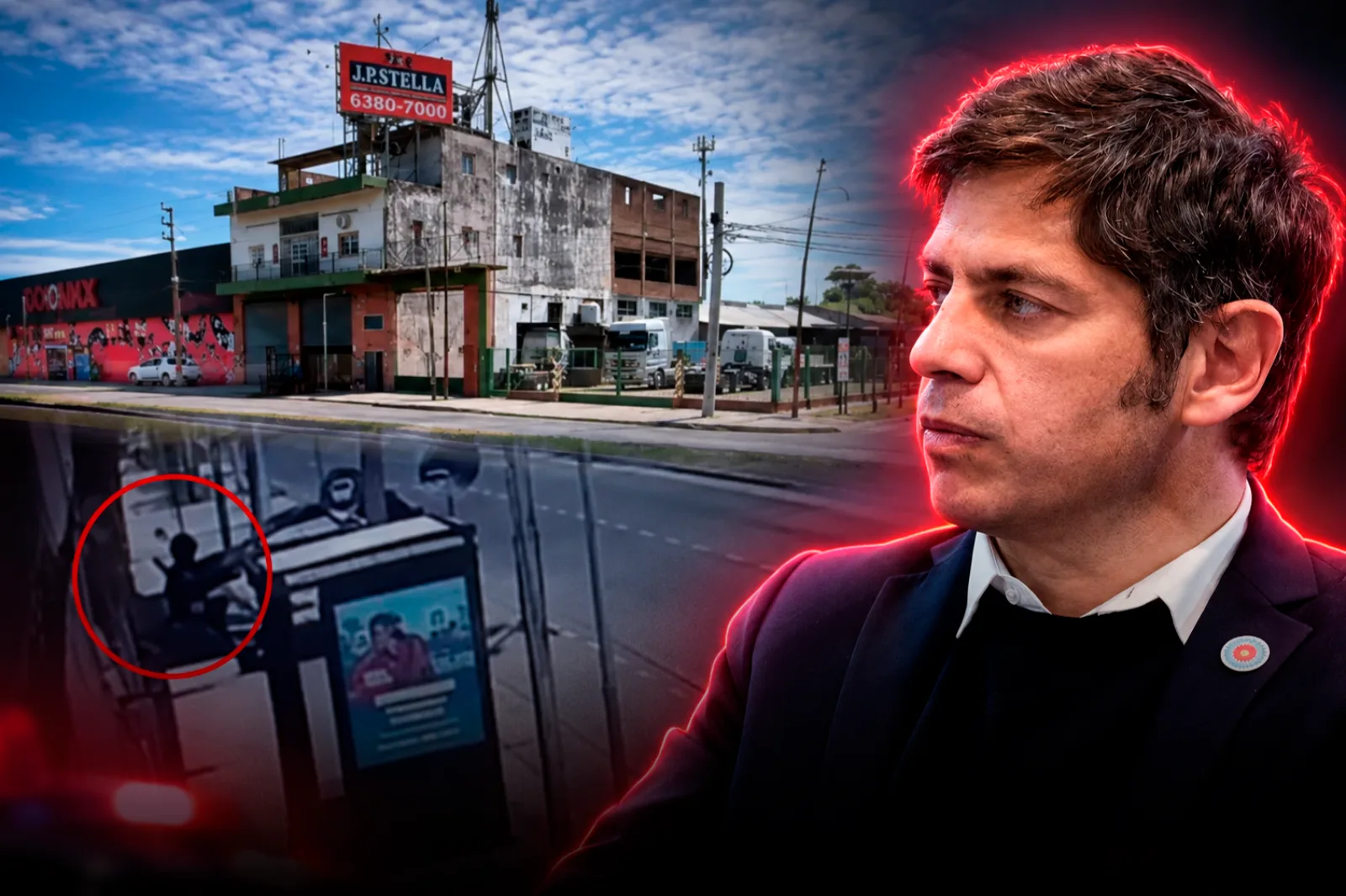
The Buenos Aires governor and his group were not invited to a meeting where leaders from different Peronist sectors gathered as tensions rise over the 2027 candidacies
The process of opposition rearmament following the historic electoral defeat of 2023 has laid bare the absolute political weakness of the Kirchnerist governor of the Province of Buenos Aires, Axel Kicillof, who suffered a severe setback by being ousted from the key summit of the Justicialist Party (PJ). The meeting, scheduled for this Tuesday at the Teatro Otamendi in the Buenos Aires municipality of San Fernando, became the definitive proof of the Peronist fracture and the isolation of the provincial leader in the face of the space's aspirations to contest the presidency in 2027 against the government of Javier Milei.
The gathering, formally structured under the pretext of celebrating Militancy Day —a date that commemorates the historic return of former president Juan Domingo Perón to Argentina on November 17, 1972 after 18 years of exile—, made it clear that the main architects of the opposition have decided to construct a partial unity photo that deliberately excludes the figure and the deteriorated presidential project of the Kirchnerist leader.
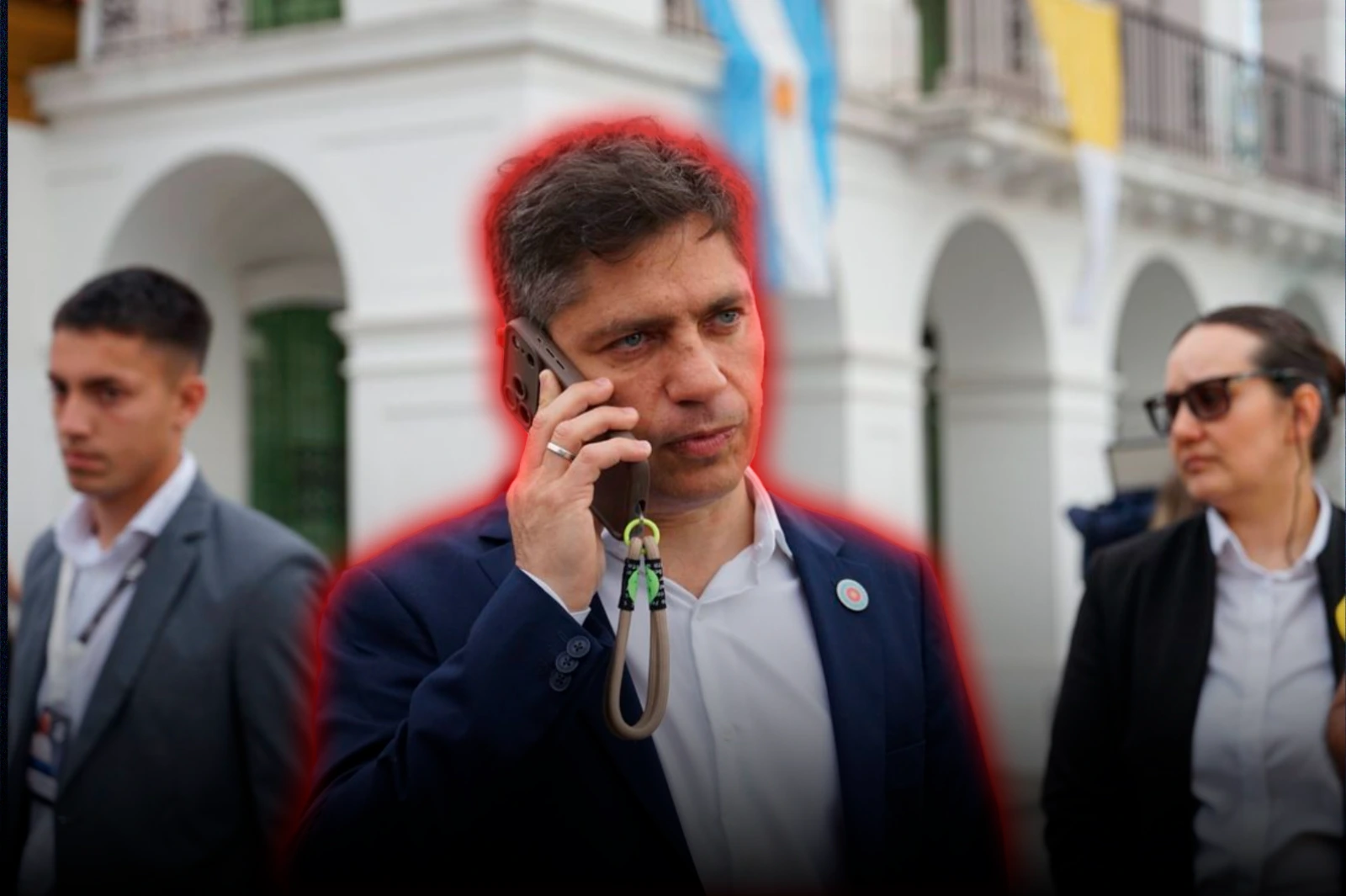
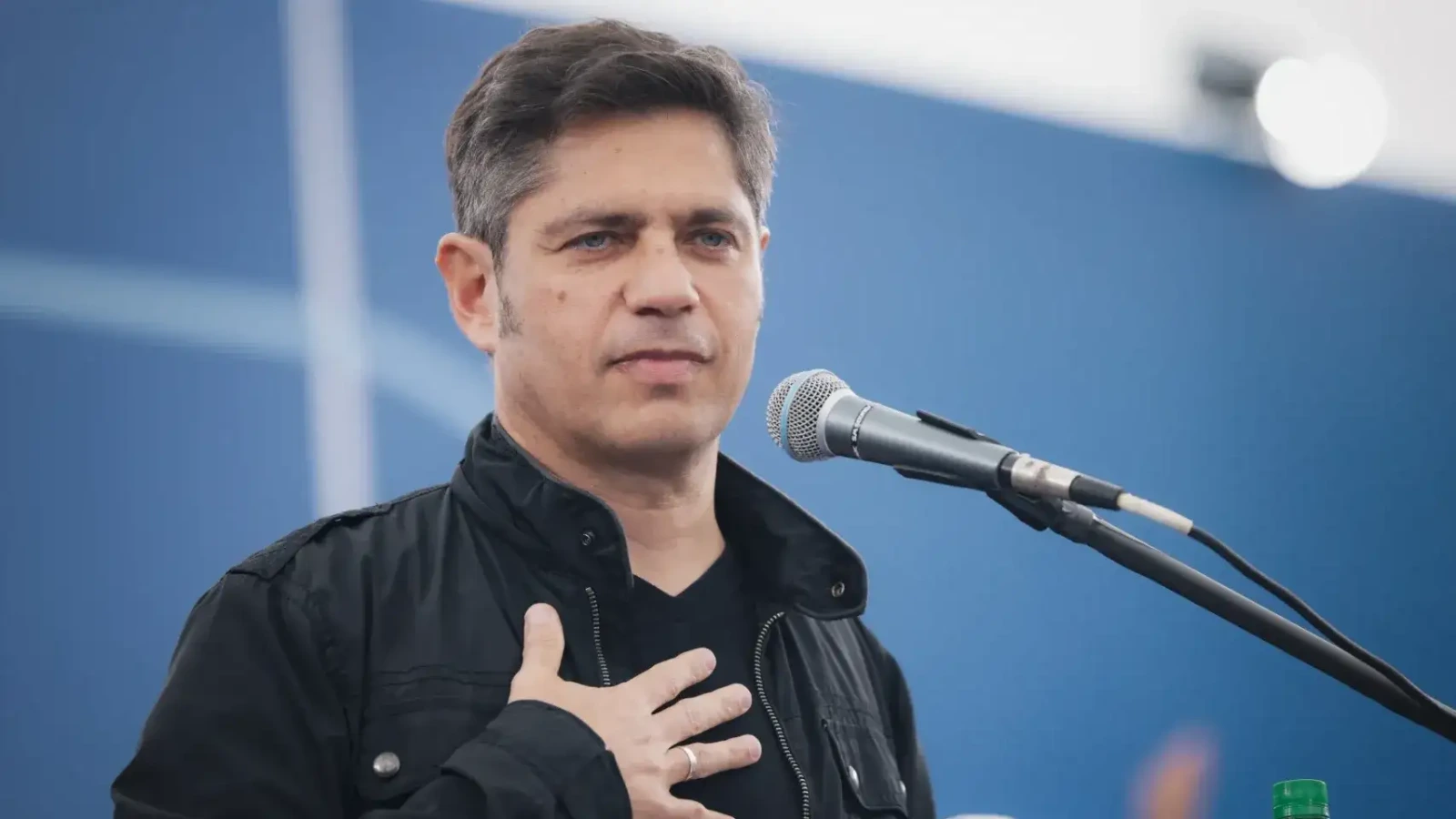
Axel Kicillof, governor of Buenos Aires.
Despite initial speculations that tried to gloss over the absence, the harsh reality of the slight was confirmed by spokespeople from the provincial administration itself. From the direct circle of Axel Kicillof and his official group, the Movement Right to the Future (MDF), they came forward to acknowledge the disgraceful marginalization to which they were subjected by the organizers.
In a conversation with the news agency Noticias Argentinas, a high-ranking source close to the governor admitted without any qualifiers the rejection received: “Neither Axel nor the MDF were invited to participate. It's not that we decided not to participate, it's that we were not called”. This confession buried any attempt by the provincial Kirchnerism to present the absence as a strategic or deliberate decision to distance themselves.
For his part, the head of the General Audit Office of the Nation, Juan Manuel Olmos, one of the main mediators of the event alongside former Economy Minister Sergio Massa, tried to downplay the snub with ambiguous explanations. The leader Juan Manuel Olmos asserted: “Governors have their own events, their own activities. It was not part of the premise to hold a unity summit or a summit where we need to determine whether Kicillof is there or not, whether Máximo is there or not”.
Axel Kicillof, governor of Buenos Aires.
Nevertheless, the official ended up acknowledging the strained atmosphere of distrust that plagues populism by stating that “We are in a time where everything is read in internal, political terms”.
The event in the municipality of San Fernando featured the local mayor Juan Andreotti, a leader of the Renewal Front, as the territorial host. The leadership mobilization gathered representatives from the Renewal Front, Federal Peronism, and sectors of Kirchnerism that seek to distance themselves from the waning figure of the Buenos Aires governor.
Among the list of invited leaders and confirmed attendees were the following notable names:
Miguel Ángel Pichetto (national deputy). Natalia de la Sota (national deputy and registered in the race for 2027). Gerardo Zamora (governor of the province of Santiago del Estero). Sergio Uñac (national senator for San Juan and already launched presidential candidate). Juan Manzur (former governor of Tucumán). Victoria Tolosa Paz (national deputy). Guillermo Michel (former customs director, promoted by Cristina Kirchner to represent the bloc in the Judicial Council).
Axel Kicillof, governor of Buenos Aires.
Parliamentary representatives of the Renewal Front: Cecilia Moreau, Diego Giuliano, Jimena López, and Sebastián Galmarini. Members of the League of Buenos Aires Mayors: Federico Otermín (Lomas de Zamora), Mariel Fernández (Moreno), Gastón Granados (Ezeiza), Federico Susbielles (Bahía Blanca), and Nicolás Mantegazza (San Vicente). Kirchnerist sectors aligned with the leadership of former president Cristina Kirchner: Mayra Mendoza (Quilmes), Julián Álvarez (Lanús), Mariano Recalde (senator), and Teresa García (provincial senator).
One of the central themes of the summit was the reappearance of Sergio Massa, former presidential candidate of Union for the Homeland, who was returning from Brazil after participating in an institutional agenda invited by the Workers' Party of President Luiz Inácio Lula da Silva (Lula da Silva) to join the closing of the activity. The event included the projection of a video featuring the image and voice of Juan Domingo Perón recreated through artificial intelligence, along with the reading of a political document.
In terms of significant absences, in addition to the dismissive door slam applied to Axel Kicillof and his MDF militants, the absences of Juan Grabois —a close figure to the Buenos Aires governor— and the governor of La Rioja, Ricardo Quintela, who ultimately withdrew from the invitation, were noted. Additionally, national deputy Máximo Kirchner justified his absence due to a scheduled trip to the province of La Pampa.
Axel Kicillof, governor of Buenos Aires.
Behind the backdrop of Militancy Day lies a fierce contest for the leadership of Peronism and the mechanism for selecting candidates, at a time when the national Executive Power led by Javier Milei is projecting the elimination of the PASO (Primaries, Open, Simultaneous, and Mandatory).
In this regard, Juan Manuel Olmos warned about the internal landscape: “We will have to use a lot of imagination to resolve how the candidate or candidates with the best chances will be selected”. Faced with this crossroads, Juan Manuel Olmos suggested that the resolution should come through an open contest: “What is the easiest tool? To organize an election, let the people vote, and have that candidate legitimized”.
Completely isolated and cornered by the rise of alternative figures such as Sergio Uñac, Gerardo Zamora, Natalia de la Sota, and the evident political understanding between Sergio Massa and Cristina Kirchner, Governor Axel Kicillof is trying to resist by demanding the continuity of the primary elections.
During a recent tour of the province of Jujuy, the provincial chief stated defensively that “The best is what the people decided” and emphasized: “In the situation we are in, we have to let the people choose”. However, the categorical display of strength in San Fernando made it clear that Axel Kicillof's aspirations have been completely sidelined from the opposition reconstruction.