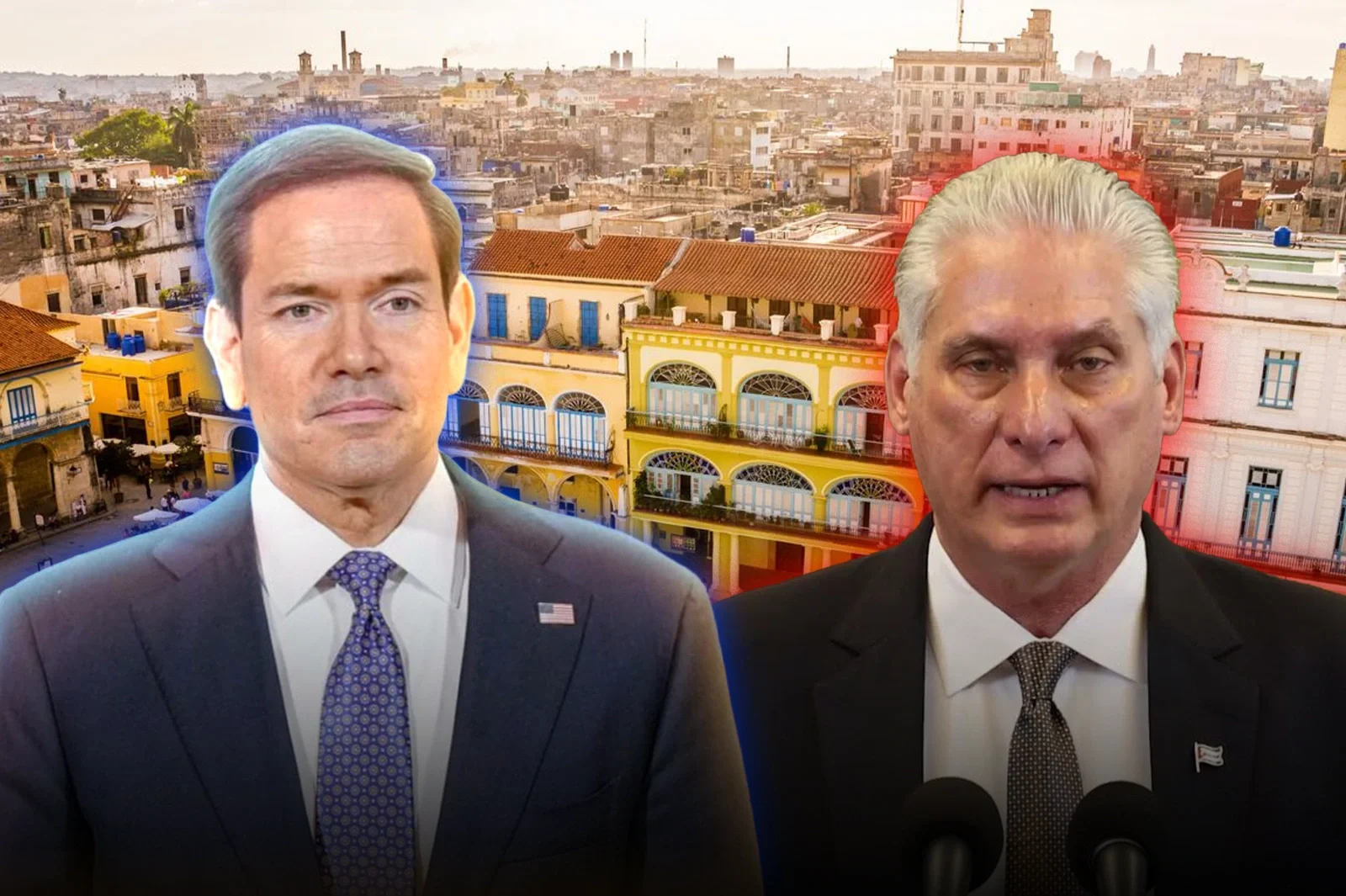
The U.S. Secretary of State announced new sanctions against entities linked to the Cuban political, military, and economic apparatus and assured that Washington will not allow the expansion of the regime's revolutionary influence.
The U.S. Secretary of State, Marco Rubio, announced new sanctions against five entities linked to the Cuban regime and launched a major accusation against Havana. Through the social network X, Rubio stated that for decades Cuba has been “the world capital of radical leftist terrorism” and accused the communist regime of recruiting, training, and supporting violent Marxist movements in Latin America and other regions of the world.
As the official explained, the new measures were adopted under the powers granted by an executive order signed by President Donald Trump aimed at increasing economic and financial pressure on the Cuban government.
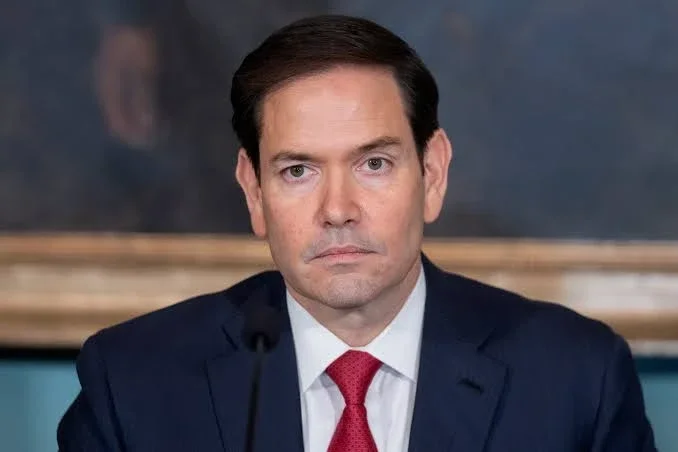
The U.S. Secretary of State Marco Rubio
The sanctioned entities are the Ministry of the Revolutionary Armed Forces of Cuba (MINFAR), the Cuban Institute of Friendship with the Peoples (ICAP), the tourism company Amistur Cuba S.A., the Committees for the Defense of the Revolution (CDR), and the mining company Minera La Victoria S.A.
Rubio also warned that any foreign company, bank, or institution that continues to provide services to these organizations related to the Díaz-Canel dictatorship could be exposed to secondary sanctions by the United States. The message was particularly directed at international financial entities, which he urged to freeze any activities related to the organizations included on the list.
The statements represent a new escalation in Washington's policy towards Cuba. The Trump administration maintains that several of these organizations play a fundamental role in political influence activities, international propaganda, and financing structures linked to the Cuban regime.
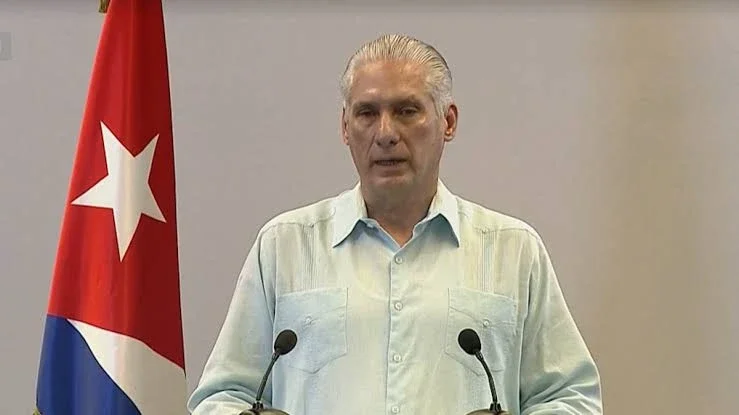
The Cuban dictator Miguel Díaz-Canel
Particular attention was given to ICAP, an institution historically responsible for maintaining ties with political organizations, social movements, and solidarity groups with Cuba in various countries. The CDR, for their part, are considered one of the main mechanisms of social control and political surveillance on the island since the early years of the revolution.
Rubio asserted that the United States will not tolerate “radical Marxist regimes” continuing to promote influence operations and exporting their political model to the rest of the continent. In a particularly forceful tone, he described the Cuban revolution as a “poisonous and malignant” ideology that threatens U.S. national security.
The new sanctions come at a particularly delicate moment for Cuba, marked by a deep economic crisis, massive blackouts, food shortages, and the increasing exit of foreign companies. For Washington, the measure seeks to increase pressure on the structures that sustain the regime; for Havana, it represents a new chapter in the prolonged conflict between the two countries.