
Megalithic tombs at Cape Trafalgar reveal how their collective use was centuries later than usual

Megalithic tombs at Cape Trafalgar reveal how their collective use was centuries later than usual

Dating of human bones in two monumental tombs in Cádiz place their occupation between 1875 and 1625 BC, when individual tombs were already predominant in the south of the Iberian Peninsula

Share:

A team led by Eduardo Vijande-Vila from the University of Cádiz analyzed bone remains found in two monumental stone tombs located at Cape Trafalgar. Radiocarbon dating indicates that these sepulchers were used for about 200 years, approximately between 1875 and 1625 BC. This period is striking because, by then, individual tombs had already become widespread in the south of the Iberian Peninsula.

The information, disseminated by La Brújula Verde and supported by a study published in PLOS One, provides concrete data on the architecture and funerary use of these constructions. The results suggest that the builders maintained collective practices long after other communities in the region had abandoned them.

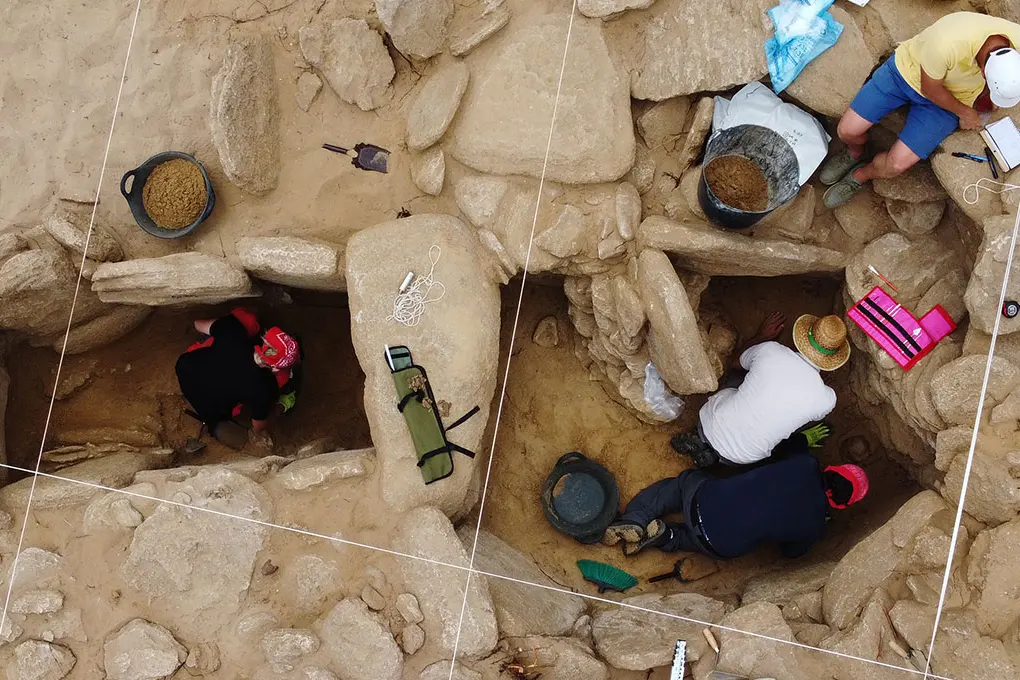
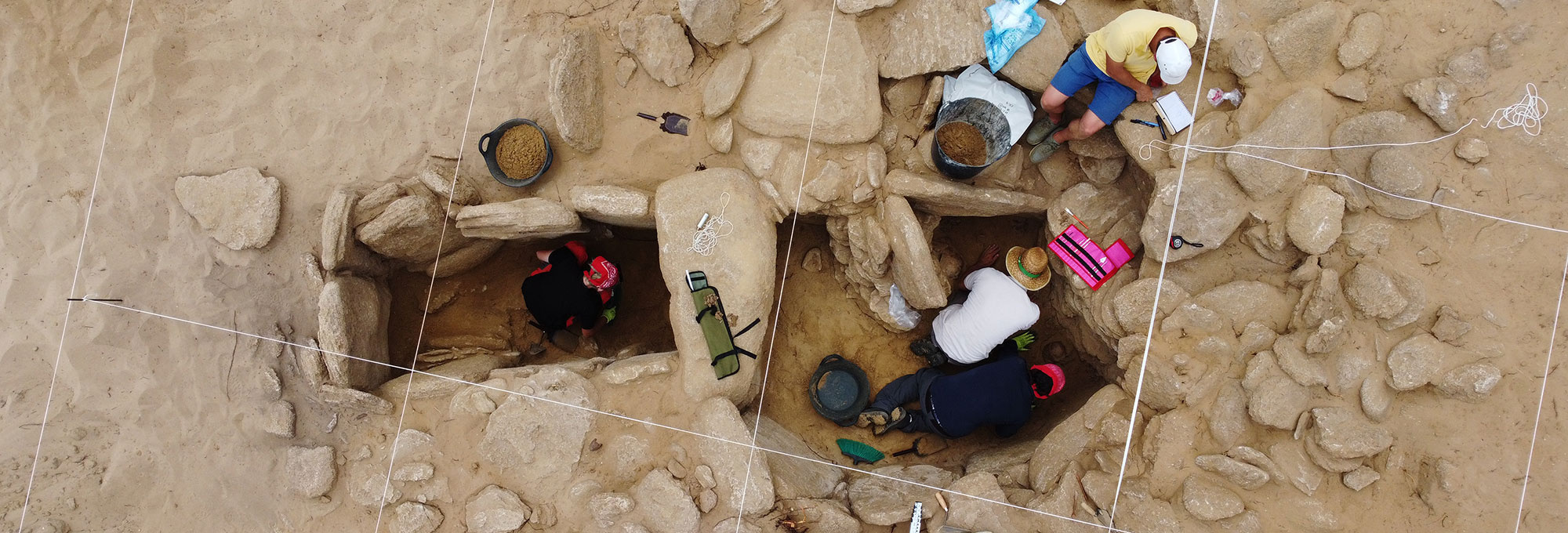
Tomb I features an oval chamber excavated in the rock, connected to a corridor lined with slabs and covered by large flat stones. The chamber was closed with a stone wall, the entrance was sealed with a slab, and the whole was covered with a mound of stones and sand.

Tomb II, on the other hand, has a circular chamber covered by layers of stones. When the original dome collapsed, a central pillar was installed, and half of the space was filled to stabilize the structure.
Megalithic tombs at Cape Trafalgar reveal how their collective use was centuries later than usual

Human Remains and Funerary Goods

The analysis of the bones shows that in Tomb I, the remains of at least 13 people were deposited, while in Tomb II, at least seven individuals were identified. In most cases, the bones were rearranged after the bodies decomposed. The exception is the articulated skeleton of a young woman found in Tomb I. Dating of her remains indicates that her burial was the last before the chamber was definitively sealed.

Among the objects recovered in Tomb I are two gold earrings, three silver beads, a fragment of green mica, an ivory comb, and two perforated shells. In Tomb II, a single earring, a copper arrowhead, and a green mica bead were found.


These items from the funerary goods provide clues about funerary practices and access to materials from different origins. The presence of gold, silver, and ivory in such a late context reinforces the significance of these sepulchers within the panorama of the Bronze Age in the southern tip of Iberia.

The researchers emphasize the need for new tests, including luminescence dating of the sands and stones that formed the mounds. This analysis could clarify whether the tombs were reused at different times or if their builders were among the last to erect this type of megalithic monument in the southern peninsula.

A Discovery that Expands the Funerary Map

The work of Vijande-Vila and his team provides precise information about the duration of use of these structures and about the composition of the groups that used them. The radiocarbon data and the study of the bone remains allow for a clearer positioning of a moment when collective practices still coexisted with more individualizing trends in the region.

The research also leaves open questions about the identity of those who built and maintained these sepulchers. Future analyses could help determine whether they were local communities that preserved ancient traditions or groups that arrived in the area with their own funerary customs.

In any case, the tombs at Cape Trafalgar add to the body of evidence regarding the diversity of funerary rituals during the Bronze Age in the southern peninsula. The study published in PLOS One constitutes the scientific basis for these findings and opens the door to new research on the end of megalithism in the area.