The need to control agricultural lands, resources, and circulation routes could also explain their construction, without necessarily implying an external military threat.
An ancient agricultural society much more developed than expected
Oued Beht had already gained relevance due to previous discoveries linked to prehistoric agriculture.
The investigations identified there one of the oldest and most extensive agricultural complexes known in Africa outside the Nile Valley, with evidence of activity dating back between 5,400 and 4,900 years.
The remains cover at least ten hectares and include polished stone tools, decorated ceramics, and evidence of wheat and barley cultivation.
There were also indications of livestock farming and the use of wild plants.
Although it is still unknown whether it functioned as a permanent village or a seasonal occupation center, the site demonstrates considerable productive activity during the Late Neolithic.
The finding reveals ancient connections with Europe
The discovery also provides information about the links between African societies and communities in the western Mediterranean.
During the second millennium BC, societies such as the El Argar culture were developing in the Iberian Peninsula, characterized by strategic settlements, metallurgy, and hierarchical social structures.
The evidence found in Morocco suggests that the Maghreb was involved in regional transformation processes and maintained connections with territories that currently belong to Spain and Portugal.
Furthermore, the excavations revealed that the site was reused during the 11th and 13th centuries, when defenses were rebuilt and settlements and funerary spaces emerged.
The discovery thus expands knowledge about a region whose prehistoric history had been poorly documented and opens new investigations into the organization of its ancient communities.
An archaeological discovery in Morocco is changing the understanding of the early civilizations of North Africa An international team of researchers identified in Oued Beht, in the northwest of the country, the remains of a fortification system built approximately 3,500 to 4,000 years ago, during a period equivalent to the Mediterranean Bronze Age.
The finding, published in the scientific journal Libyan Studies, constitutes the oldest known evidence of a large-scale defensive construction in North Africa outside the Nile Valley.
The researchers argue that the structure demonstrates an organizational and planning capability that had not been documented for that time in the region.
A mysterious fortification built 4,000 years ago
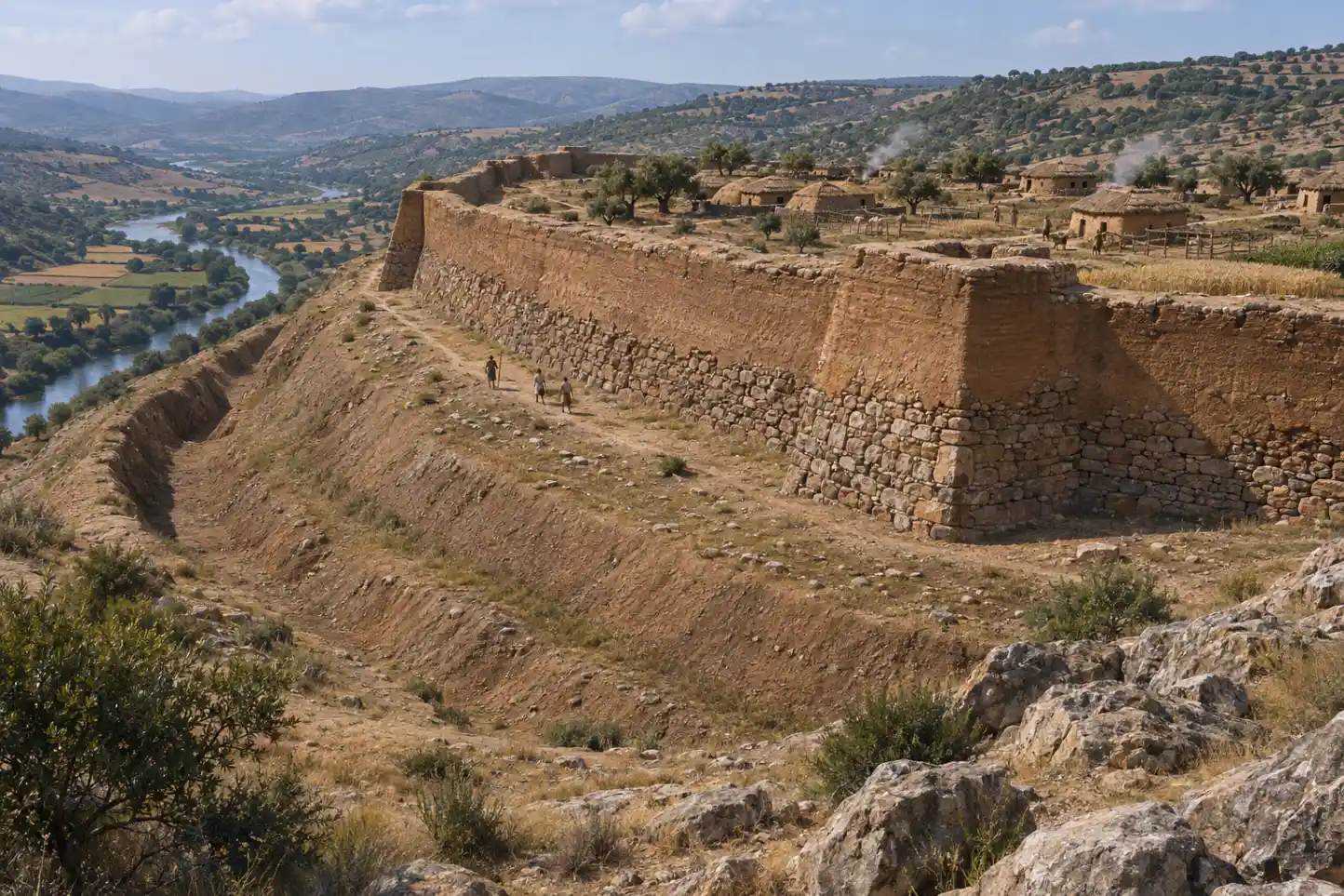
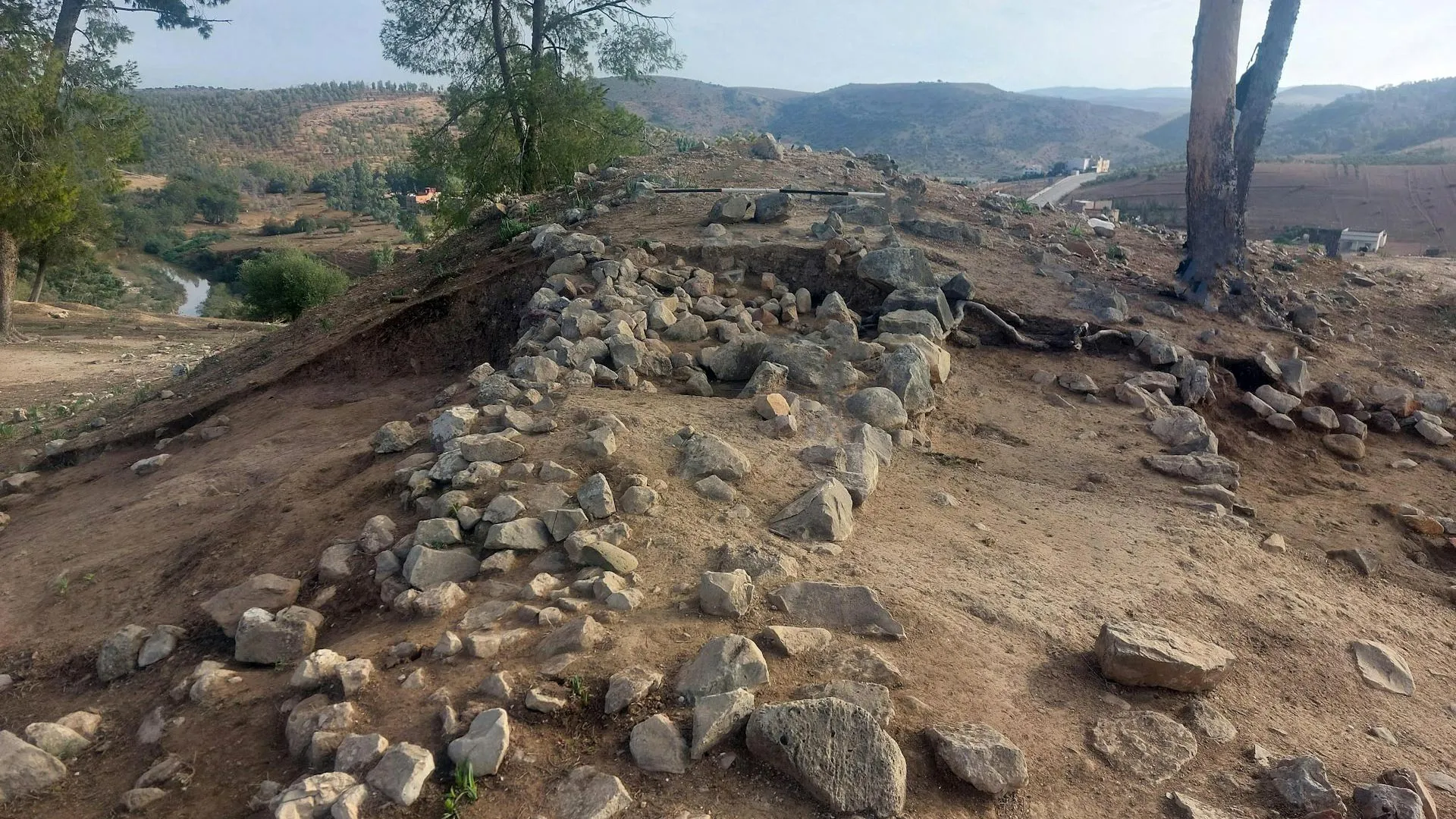
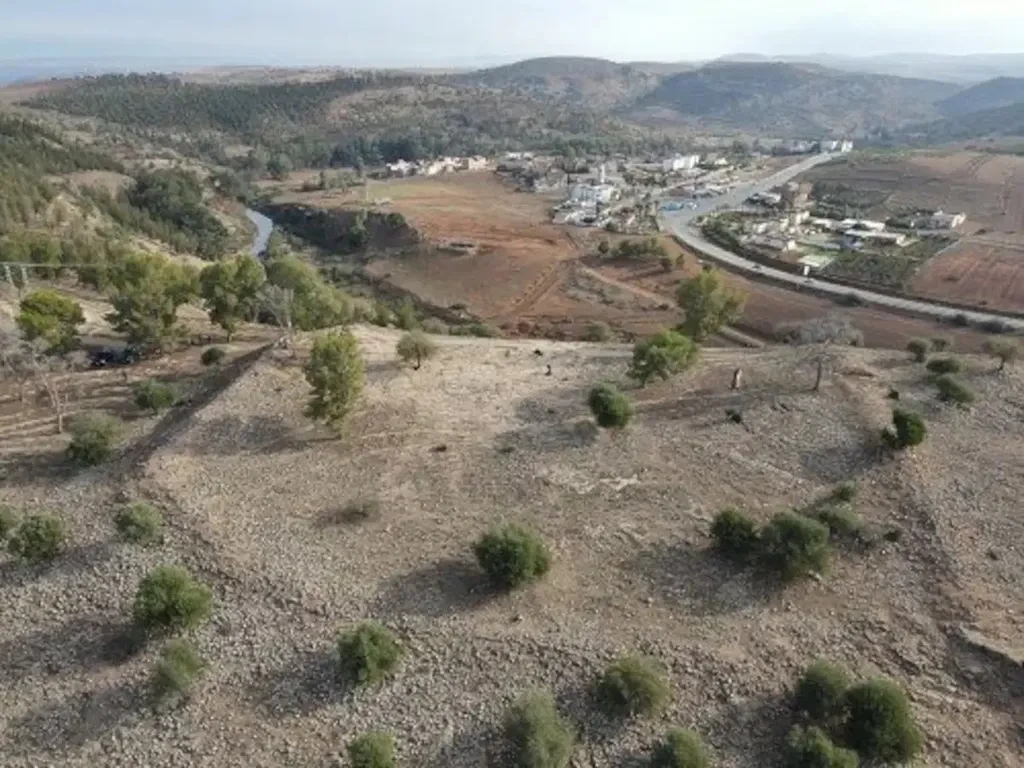
The excavations carried out in 2023 allowed for the identification of a complex system made up of moats, embankments, and remains of walls, built on a natural elevation situated between a river and a ravine.
The location offered strategic advantages, as it allowed control over access to a portion of the land using the natural features of the landscape.
Through radiocarbon analysis, scientists established that the earliest construction stages correspond to the second millennium BC.
The research also allowed for the distinction of different phases of occupation. The large stone wall currently visible belongs to a medieval reconstruction, while the prehistoric structures lie beneath.
These results resolved a question that had remained open since the 1930s, when the French archaeologist Armand Ruhlmann first documented the possible fortifications.
Why ancient communities needed to build walls
Although the exact function of the structures is still being investigated, specialists consider it likely that they were related to the protection of territory and competition for natural resources.
The construction of such a system required mobilizing workers, planning tasks, and coordinating collective efforts.
The researchers believe that these capabilities reflect societies with organizational mechanisms more complex than previously thought.
However, there is still not enough evidence to determine whether the defenses were erected against invasions.