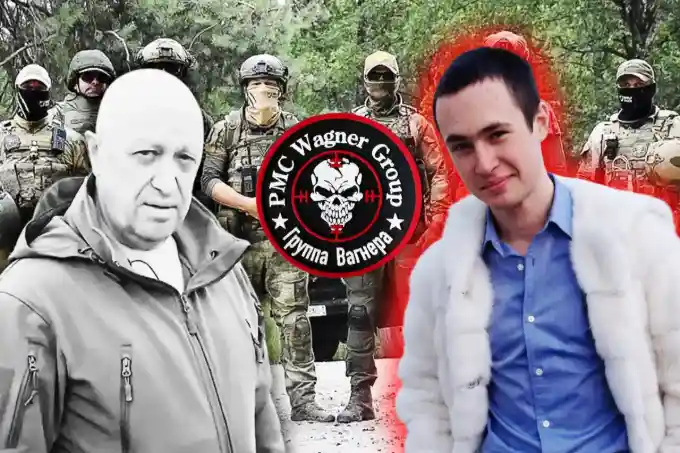
After the death of Russian mercenary Yevgeny Prigozhin in 2023, the remnants of the Wagner Group reorganized in Africa into an autonomous criminal network, linked to drug trafficking and illegal mining.
Under the command of his son, Pavel Prigozhin, and with around 500 ex-mercenaries, the group managed to consolidate a framework based on various illicit activities that sustain its independence from Moscow.
Although the vast majority of Wagner's assets were absorbed by the Russian Ministry of Defense, this core managed to avoid integration.
Since then, the Central African Republic has become the main stronghold of a parallel structure that, according to various investigations, has managed to consolidate its own economic system in remote areas where state control is limited.
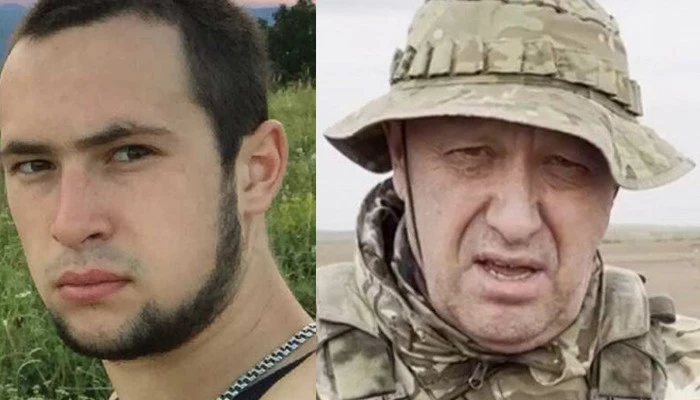
Yevgeny and Pavel Prigozhin
One of the pillars of this framework is the illegal gold mining in Ndassima, an activity that, according to estimates, generates around 500 million dollars annually. This is complemented by control over other extractive and logging operations that expand the group's financial power.
In parallel, the organization developed a tramadol trafficking network, a highly addictive synthetic opioid. According to an investigation published on July 12 by The Wall Street Journal, this business has become one of the main sources of income for the remnants of Wagner.
The medication, which under normal conditions is used as a pain reliever, circulates in the region in doses far exceeding usual therapeutic levels, reaching tablets of 200 milligrams or more.
The distribution circuit, according to the report, begins with production in India, from where tramadol is exported to the Republic of Congo. It is then smuggled across the Ubangi River into the Central African Republic, where networks linked to Wagner control its marketing.
On the ground, consumption is widespread among miners working in deposits controlled by the group, fighters, and members of pro-Russian movements.
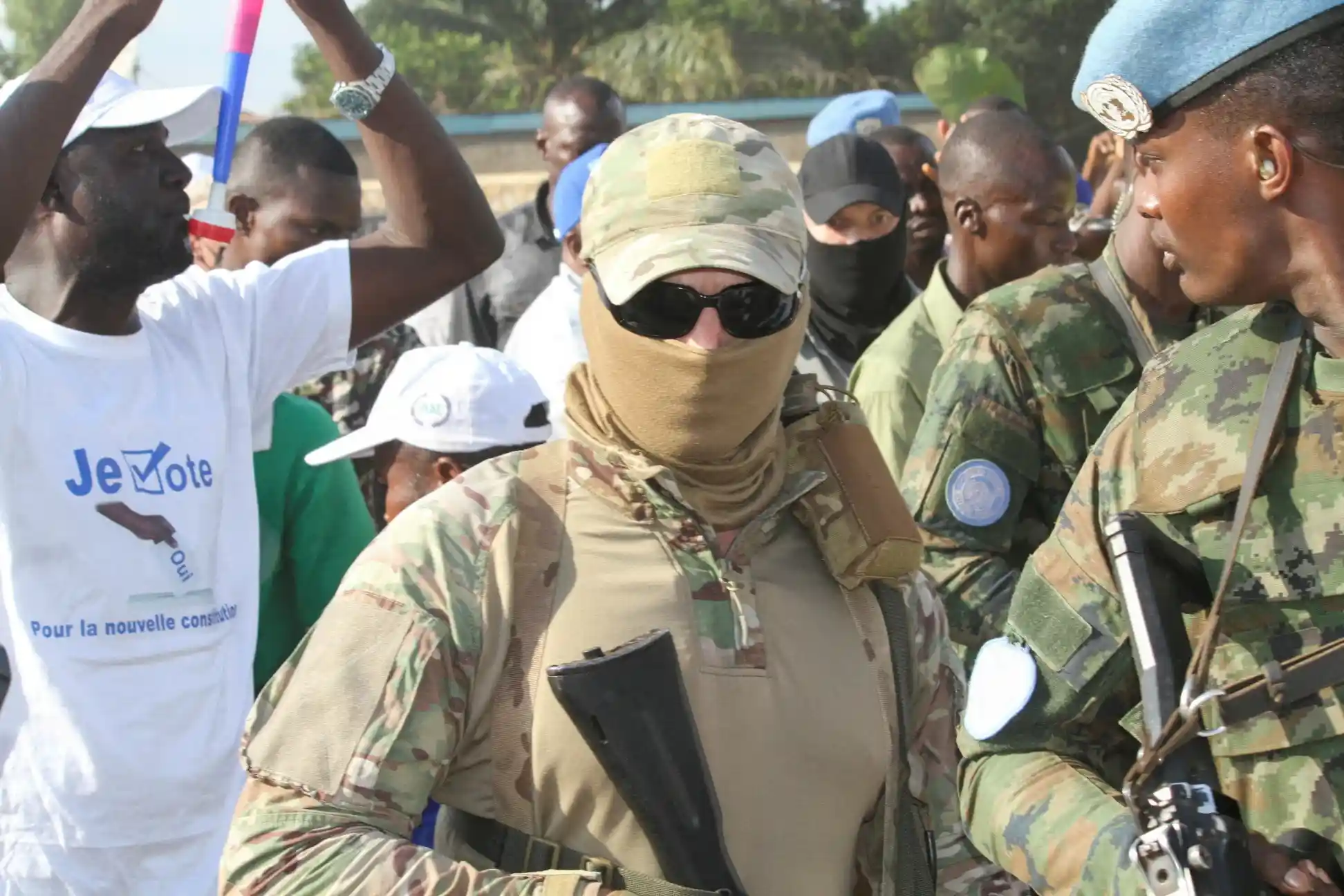
Wagner Mercenary in Africa
The substance is locally known as “poor man's cocaine” due to its stimulating effects at high doses. Additionally, the network has incorporated the production of alcohol substitutes mixed with tramadol.
The impact of this activity is not limited to the economic sphere. A study from Uppsala University, cited by the same outlet, indicates that the increase in consumption of this drug coincides with a nearly 20% rise in deaths related to clashes over mining areas, reaching about 500 victims in the last year.
Despite the Kremlin's attempts to centralize control over Wagner's foreign operations, the Central African Republic remains one of the few territories where the group retains an independent financial and operational base.
According to The Wall Street Journal, this is possible thanks to its insertion into local political, military, and economic structures, as well as leveraging established smuggling routes and links with the country's security forces.
In this scenario, the Wagner group not only maintains significant independence after Yevgeny's fall, but Pavel Prigozhin, the founder's son, has managed to save and isolate the African faction, turning it into a self-sufficient criminal and military cartel that Moscow has been unable to subdue.