According to the researcher, without a significant breakthrough, EHD propulsion will struggle to compete with conventional systems like rotors and jet engines for most terrestrial applications.
Without significant progress, it will be difficult for EHD propulsion to compete with conventional systems
When the Aerobots could arrive at Titan
The SPARK project has just begun a phase 1 of nine months. After that, it should pass a second stage of up to two years for a mission to become more viable.
The Dragonfly mission from NASA currently aims for a launch in 2028. Drew explained that it is still unclear whether SPARK could be ready in time to join that mission.
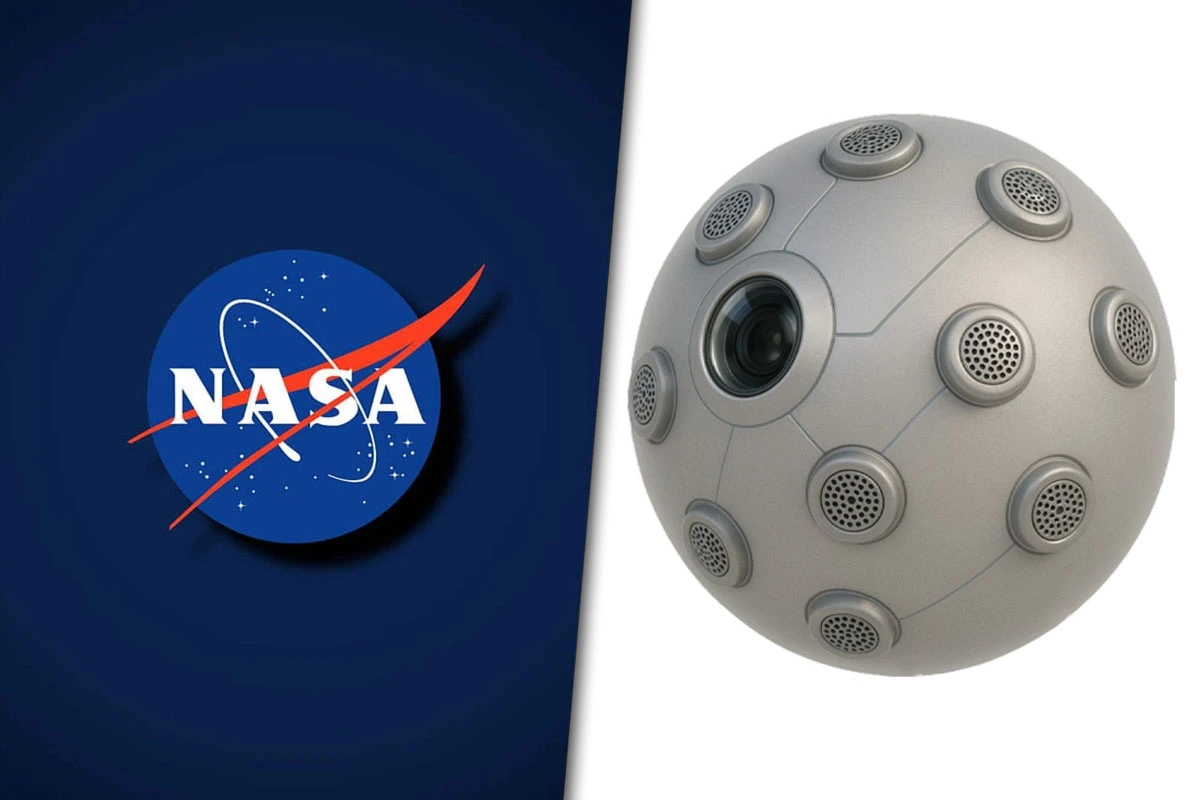
NASA is funding the development of SPARK, a set of spherical flying robots that could explore the caves of Titan, the moon of Saturn.
The project uses ionic propulsion and aims to advance a technology capable of navigating through subterranean terrains that are difficult to traverse with a conventional rover.
The robots that NASA wants to use to explore the caves of Titan
What the robots NASA wants to take to Titan's caves are like
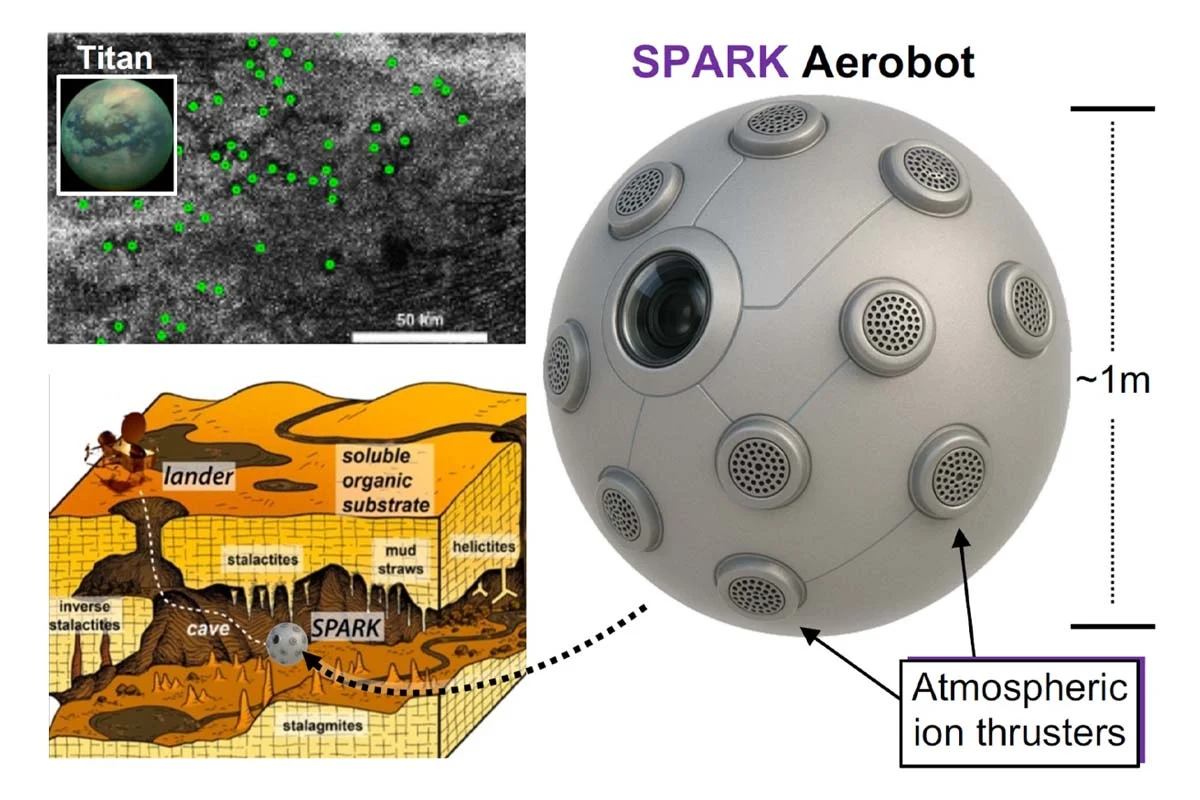
The SPARK Aerobots are small flying vehicles designed to explore the unique terrain of Titan. The project received initial funding under the NASA Innovative Advanced Concepts (NIAC) program.
SPARK stands for Solid-state Propulsion for Autonomous Reconnaissance of Karst and is led by Daniel Drew, an assistant professor at the University of Hawaii at Mānoa.
The proposal aims to leverage aerial mobility to navigate the caves and sinkholes of Titan, where a terrestrial vehicle would struggle to advance.
How are the robots that NASA wants to take to the caves of Titan
Why Titan is a target for the new Aerobots
Titan has rivers, lakes, and seas of hydrocarbons like methane and ethane. It also features karst terrain with underground structures, including sinkholes and caves.
According to NASA, Saturn's moon is one of the most Earth-like bodies in our solar system. In this context, flying vehicles could provide an alternative for exploring hard-to-reach areas.
Why Titan is a target for the new Aerobots
The goal of SPARK is to develop a technology capable of moving within these structures without significantly disturbing the hydrocarbon layers relevant to scientific research.
What propulsion the NASA SPARK robots will use
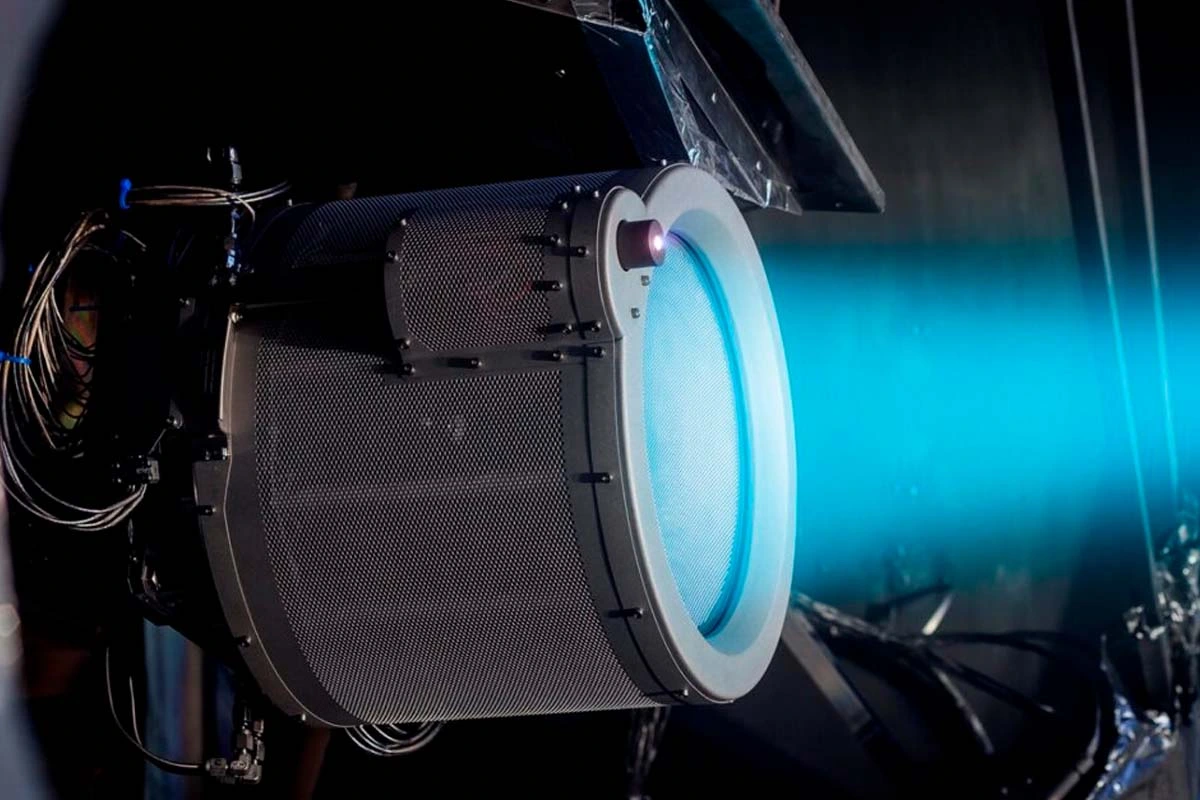
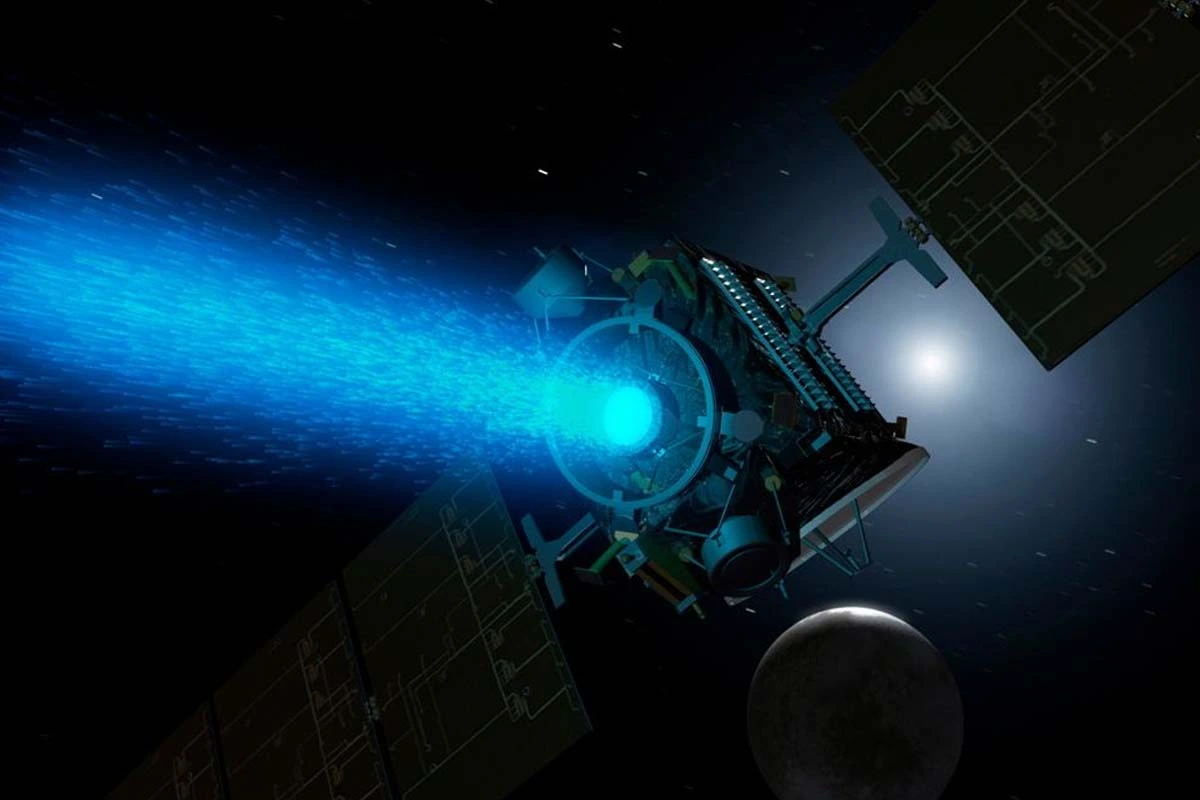
The project will utilize electrohydrodynamic (EHD) ionic propulsion. Daniel Drew has been working with this type of technology since his graduate years at the University of California, Berkeley.
Among the advantages that the researcher attributes to the system are maneuverability, autonomy, endurance, and low noise levels. It would also help reduce the disturbances caused by the vehicle's movement.
What propulsion will NASA's SPARK robots use
The technology is solid-state, meaning it has fewer components than other propulsion systems. However, Drew acknowledges a significant limitation: its efficiency is still low.
A potential delay of Dragonfly could open new possibilities to include the Aerobots during a later stage of the mission.
When could the Aerobots arrive at Titan
The precedent of Ingenuity that inspires the Aerobots
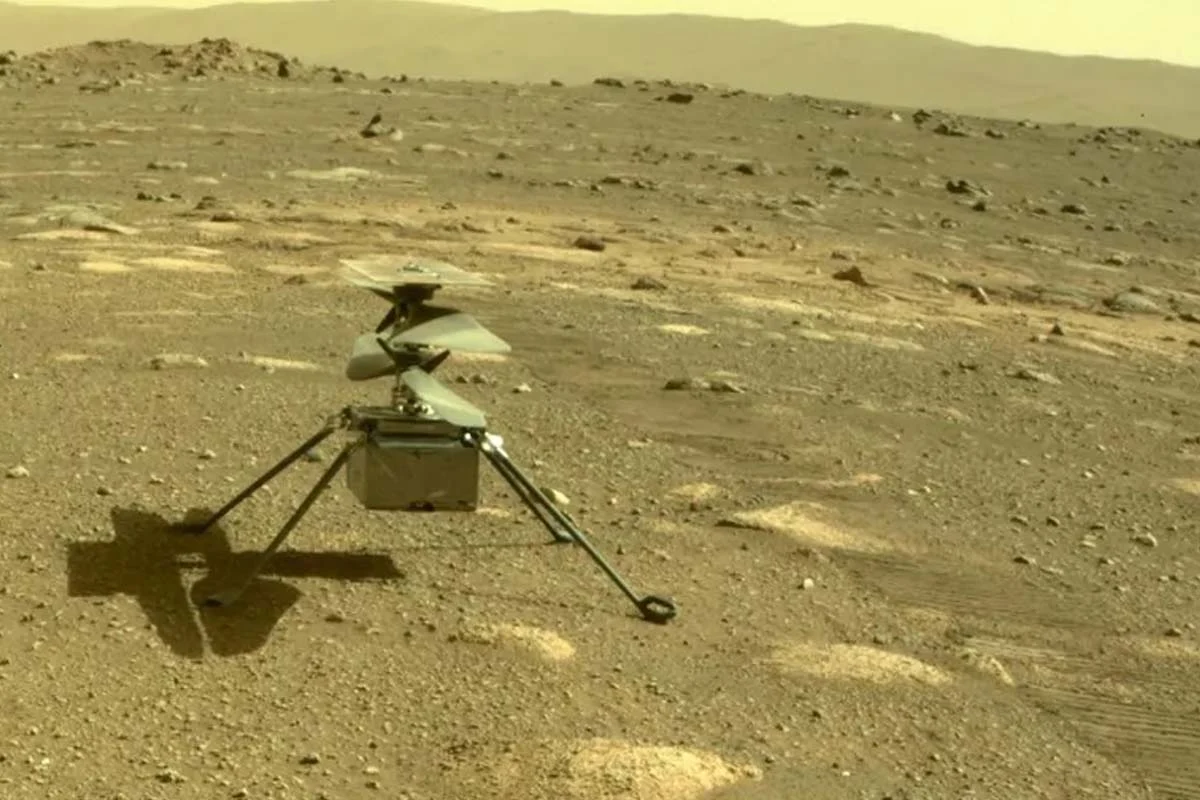
Drew hopes that SPARK can become a precedent for the aerial exploration of Titan's caves, similar to the role that Ingenuity had on Mars.
The NASA helicopter completed 72 flights on Mars, more than ten times the originally planned amount for that technological demonstration.
The predecessor of Ingenuity that inspires the Aerobots
The idea is for the small vehicles to provide a new exploration capability in an environment where aerial mobility can be particularly useful.
What NASA seeks to prove during the first stage of the SPARK project
During the nine months of the first phase, Drew and his team plan to design experiments and study which components should be prioritized.
The team will also analyze aspects related to power and the thermal effects on the robots' energy system.
What does NASA aim to prove during the first stage of the SPARK project
Among the collaborators on the project are Ethan Schaler and Jacob Izraelevitz from NASA's Jet Propulsion Laboratory, and Michael Malaska from the Blue Marble Space Institute of Science.
Besides Titan, Drew believes that the technology could have applications in electric aircraft, indoor drones, and small fleets of flying vehicles. However, the researcher emphasized that its low efficiency currently limits those potential uses.