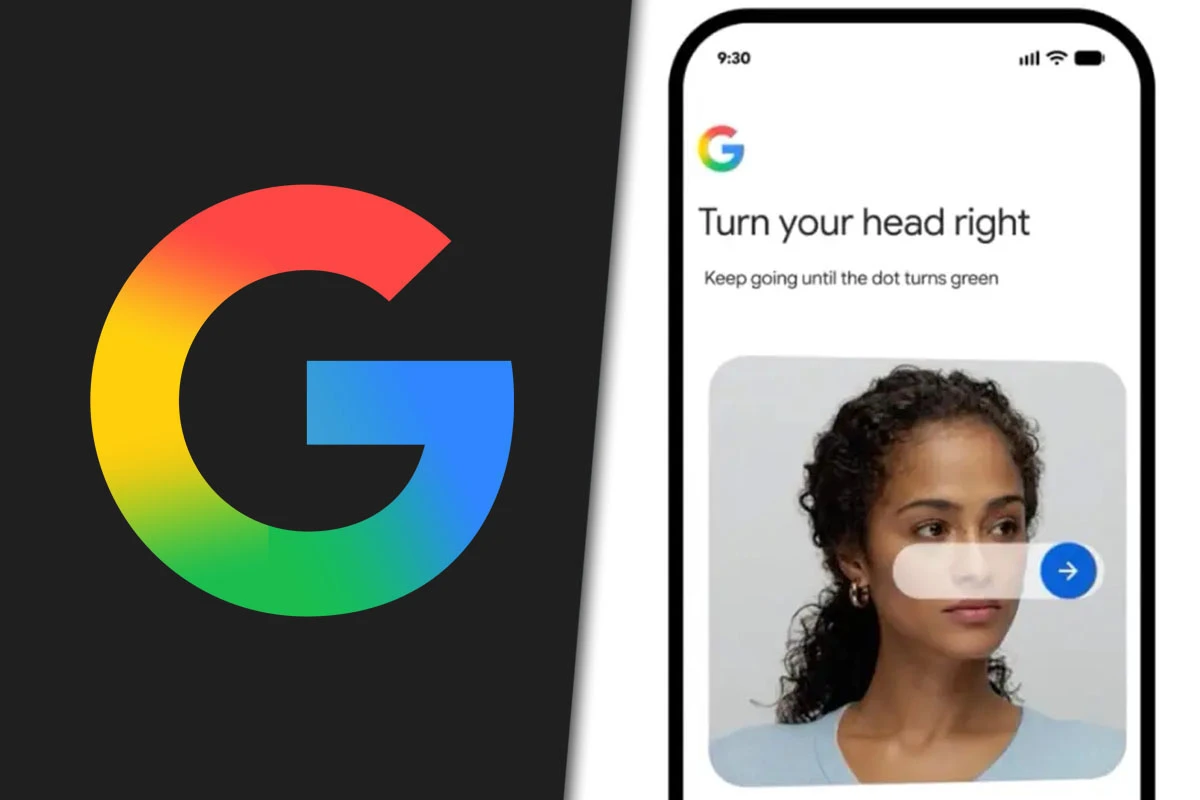





The system compares the video against the stored selfie and requires simple movements to verify that it is a live video. This is complemented by standard security practices to detect suspicious login attempts.

Google launched video selfie login, a feature that uses biometrics to verify identity





The system compares the video against the stored selfie and requires simple movements to verify that it is a live video. This is complemented by standard security practices to detect suspicious login attempts.
Google has incorporated a new way to log in using a video selfie. The company announced this on Thursday and joins the wave of tech companies that are betting on biometrics over passwords to verify online identity.
According to Google, this option aims to provide more alternatives for users who find themselves locked out of their account or do not have access to their usual phone or computer. The system adds to the existing access methods.

To set up the feature, the user must look at the device's camera and complete a series of guided movements. These include turning the head to the right or left, or nodding.
These gestures allow capturing different angles of the face. If later the user has trouble logging into their account, they can record a new video selfie and Google compares it to the one recorded during setup.
The main challenge that Google seeks to address is confirming that there is a real person on the other side of the camera, and not a bot or a manipulated video. The company explained that it applies multiple layers of security for this.
The advancement of AI-generated videos makes "live" verifications an increasingly common requirement. This applies to any company that handles logins, payments, or sensitive data.

However, the new option also raises questions about privacy and the collection of biometric data. This is an area that regulators have been closely monitoring as more companies develop products based on facial and voice data.
Google assured that selfie videos are stored securely through encryption, and that they remain protected even when not in use.
The company also clarified that users can delete these videos from their Google account at any time.