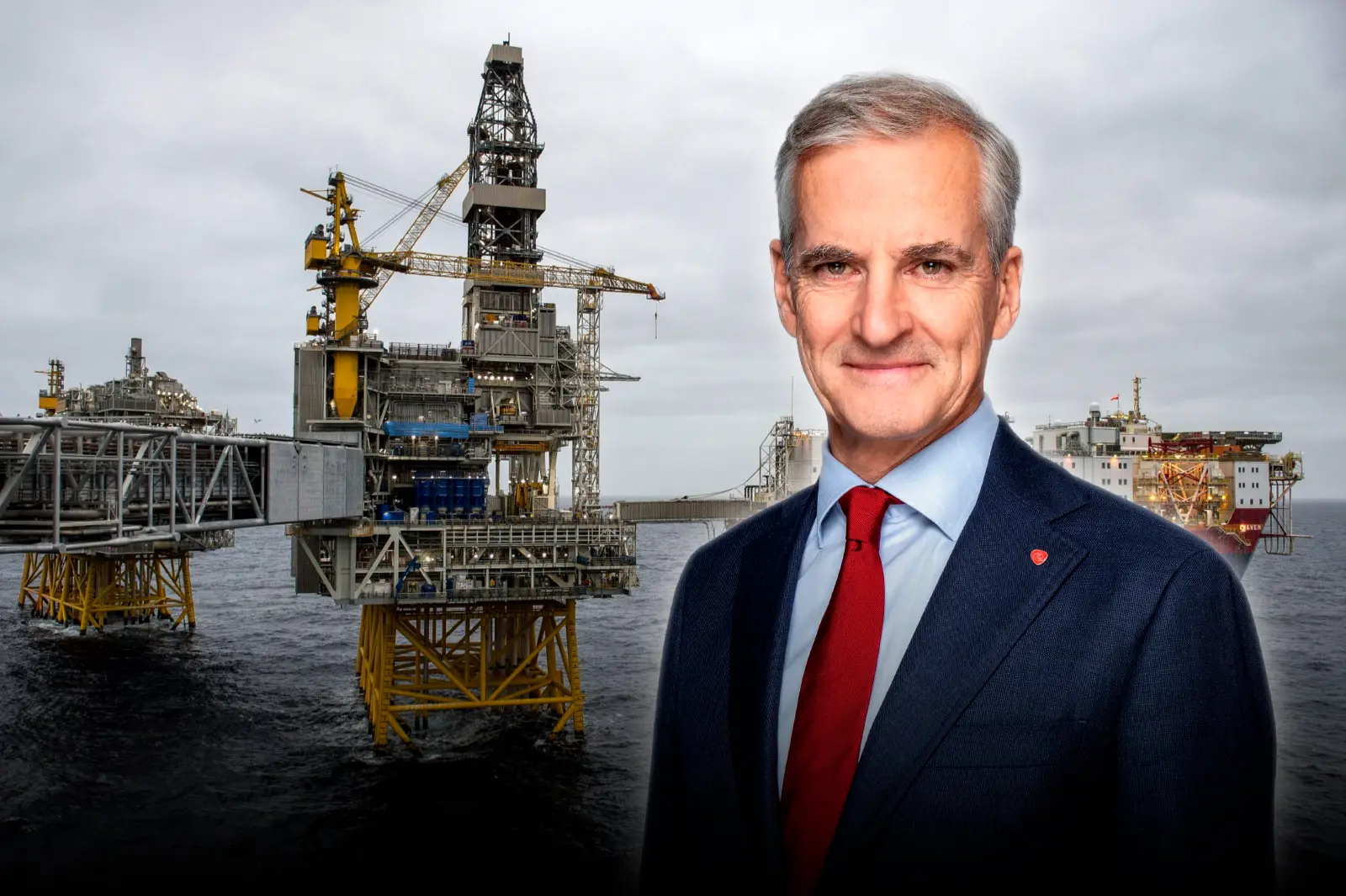









Norway will continue the development of its oil and gas resources in the Barents Sea, even if the European Union continues to support a moratorium on new hydrocarbon exploitation in the Arctic. The Norwegian Minister of Energy, Terje Aasland, defended the decision as a matter of energy security, national sovereignty, and economic stability, at a time when Europe still heavily relies on Norwegian supply.
Since the Russian invasion of Ukraine in 2022, Norway has become the main supplier of natural gas to Europe. Currently, it covers approximately 30% of the gas demand for both the European Union and the United Kingdom. Last year, Norwegian gas production remained near record levels, while oil extraction reached its highest since 2009.
However, official forecasts point to a significant decline in production after 2030 if new resources are not discovered and developed. In light of this scenario, Aasland argues that continuing activity in the Barents Sea serves both Norwegian and European interests.
''In the current geopolitical and security environment, and given the situation of resources, I believe that continuing activity in the Barents Sea serves both Norwegian and European interests'', the minister stated in remarks before the ONS energy conference held in Stavanger.
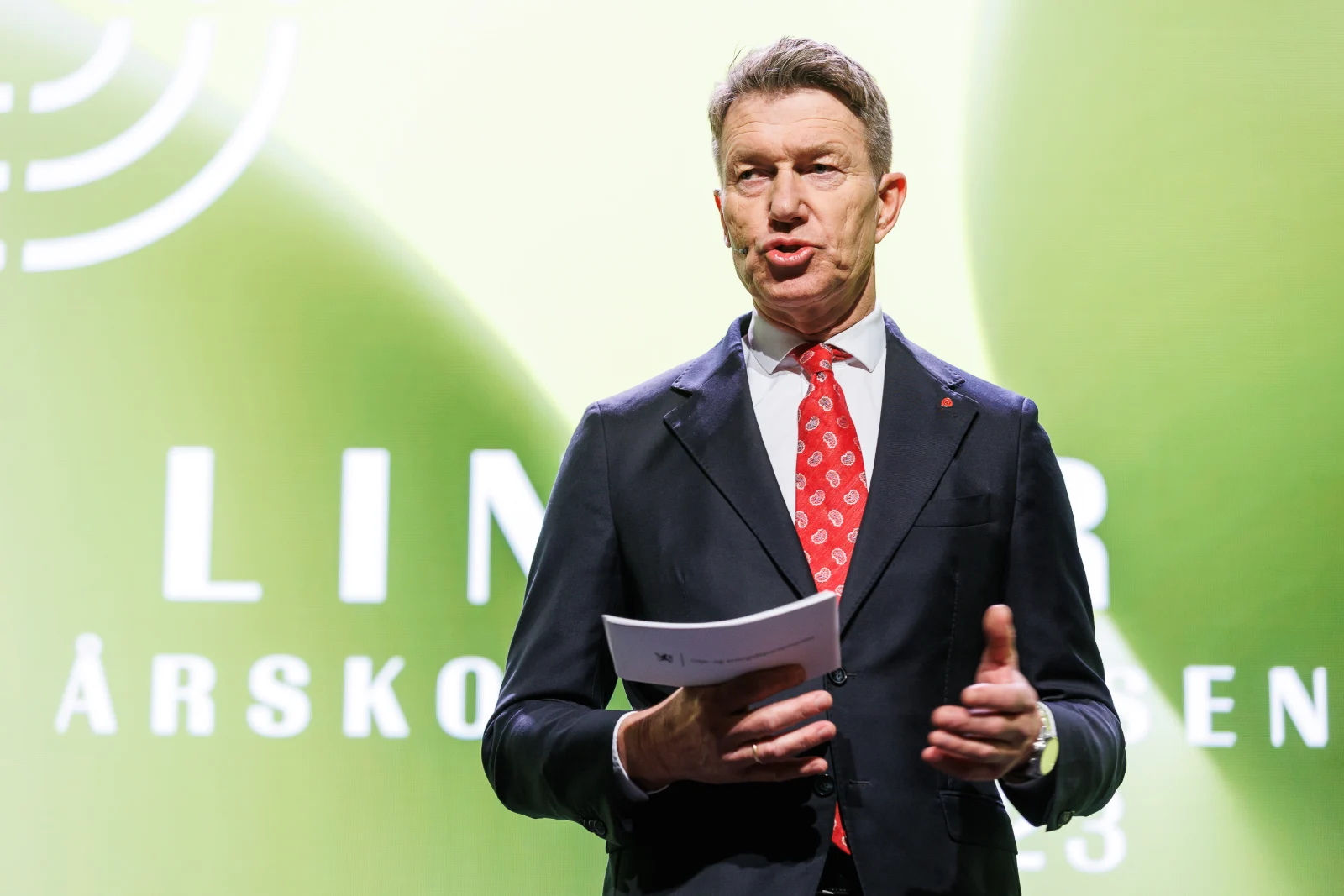
The Norwegian Minister of Energy defended the continued exploitation of oil resources and stated that it serves the interests of Europe
Oslo's stance clashes with the European Union's policy, which currently supports a ban on new drilling in the Arctic for environmental reasons. However, Brussels is considering revising its position due to growing concerns about energy security and future supply availability.
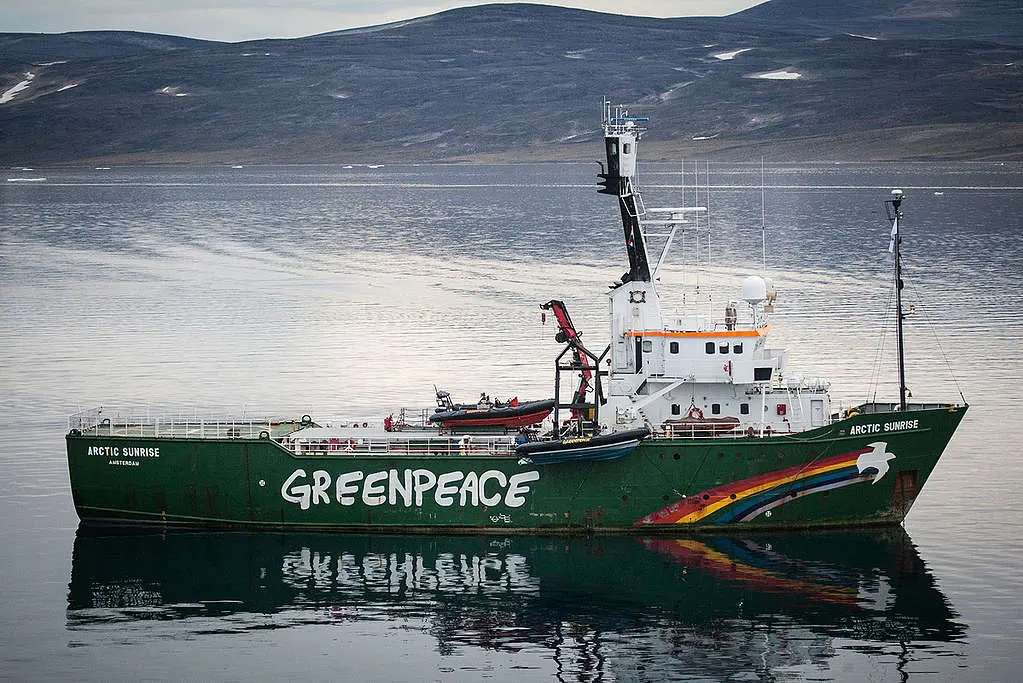
Environmental terrorist groups have criticized the Norwegian decision. Greenpeace, in particular, warned that new projects could become unproductive assets if European gas demand decreases before they come online. Paal Frisvold, a policy advisor for Greenpeace, argued that currently discovered fields could start producing just as Europe significantly reduces its gas consumption.
This position from Greenpeace has been strongly questioned by those who believe that Europe's energy and security needs cannot be resolved solely through long-term climate goals. Europe's dependence on Norwegian gas after breaking many of its energy ties with Russia demonstrates the importance of maintaining reliable production sources.
Norwegian energy companies also continue to support new drilling. Equinor, the country's largest oil company, argues that oil and liquefied natural gas from the Barents Sea could be sold in any global market if the European Union decided to restrict its purchases.
Its CEO, Anders Opedal, stated that Norway has the flexibility to send its resources to other destinations and warned that a potential European ban could end up primarily harming the continent's energy security.
The terrorist organization Greenpeace criticized Norway's decision and seeks to advance its agenda against the use of fossil fuels
Aasland noted that Norway intends to maintain oil and gas production and exports at approximately current levels until at least 2035. To achieve this goal, he considers it essential to continue developing the Barents Sea.
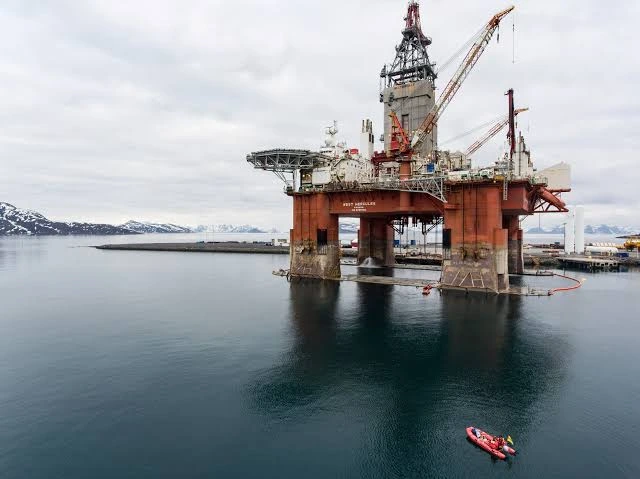
The minister also defended the geographical characteristics of the Norwegian areas open to oil activity. He explained that the areas of the Barents Sea in question remain ice-free, just like parts of the North Sea, and present conditions that allow for managing environmental risks. Furthermore, energy activity supports jobs and communities in the northern regions of the country, near the border with Russia.
Aasland insisted that it is up to Norway to sovereignly decide whether to exploit those resources. If Brussels maintains a moratorium on the purchase of Arctic hydrocarbons, Oslo will still develop the fields and let the market determine the fate of its exports.
Since the intensification of the war in Ukraine, Norway has become the main supplier of natural gas to the European Union
The International Energy Agency has also called on the European Union to reconsider its opposition to new oil and gas exploitation in the Arctic, arguing that Europe will need additional supplies to ensure its energy security.
At the same time, Norway is rethinking its role as the supposed ''green battery'' of Europe. The country generates large surpluses of hydroelectric energy and has connected its grid with other European markets through submarine cables. However, Aasland believes that the idea that Norway can single-handedly balance the European electrical system was ''flawed''.
The minister stated that Oslo will not build new electrical interconnectors, although it will maintain energy cooperation with Europe. He also urged European countries to strengthen their stable electricity generation, especially after the closure of coal and nuclear plants and in light of insufficient investment in new gas plants.
For Norway, the priority is clear: maintain its energy capacity, protect its economic interests, and contribute to the continent's security without accepting that Brussels' environmental policies unilaterally determine the future of its natural resources.
Despite the criticism received from the European Union and Greenpeace, Oslo assured that it will continue its activities in the Barents Sea