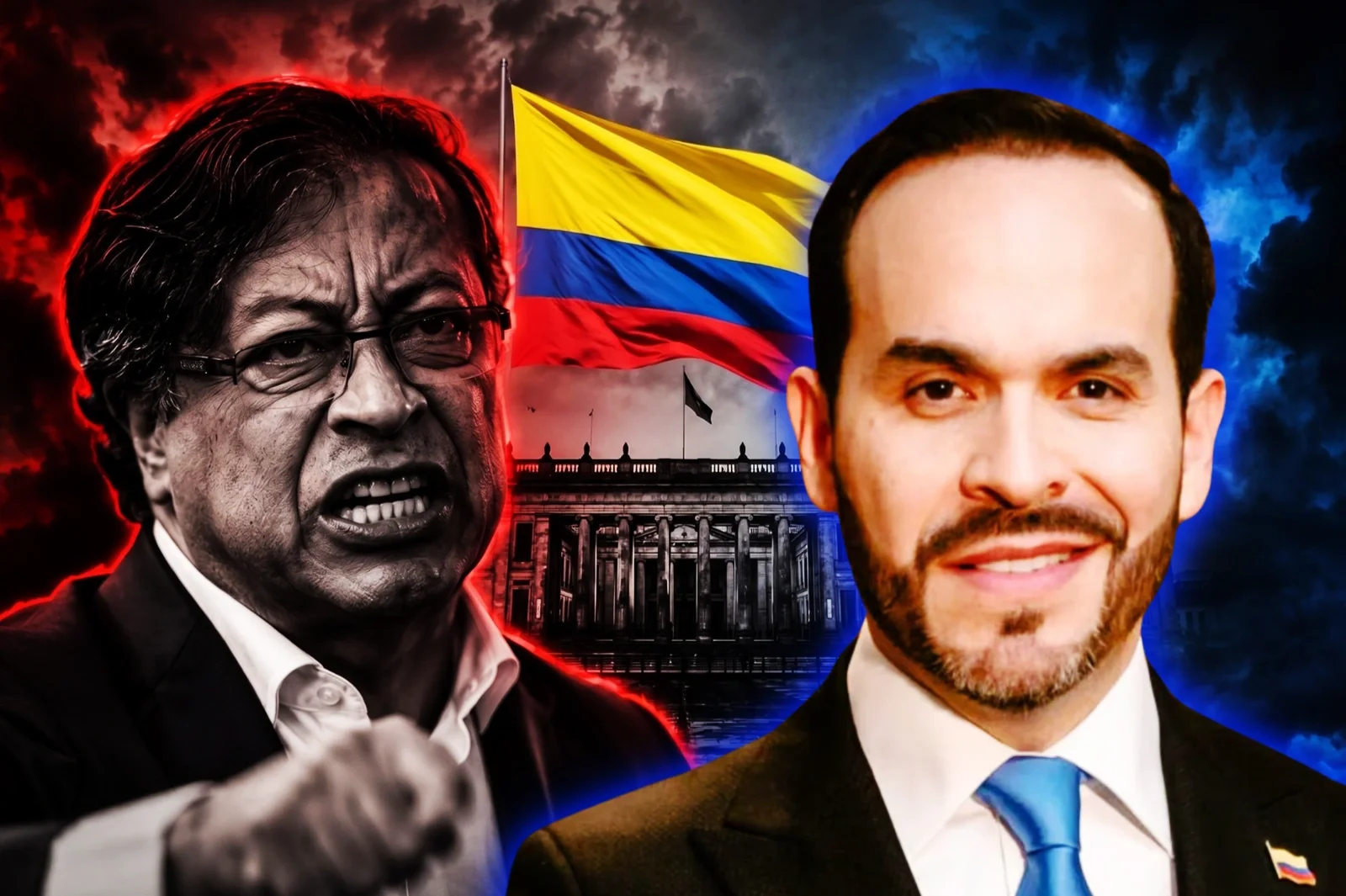
Following the publication of the provisional results of the presidential elections in Colombia, the communist president Gustavo Petro publicly rejected the count, generating a massive controversy and concern for the future of Colombian democracy.
In an extensive message posted on his X account, Petro stated that “the so-called transmitted count has no binding force” and assured that he will not accept the pre-count data.
The president directly targeted the scrutiny system, pointing out that the software used had been "modified" repeatedly in the days leading up to the election.
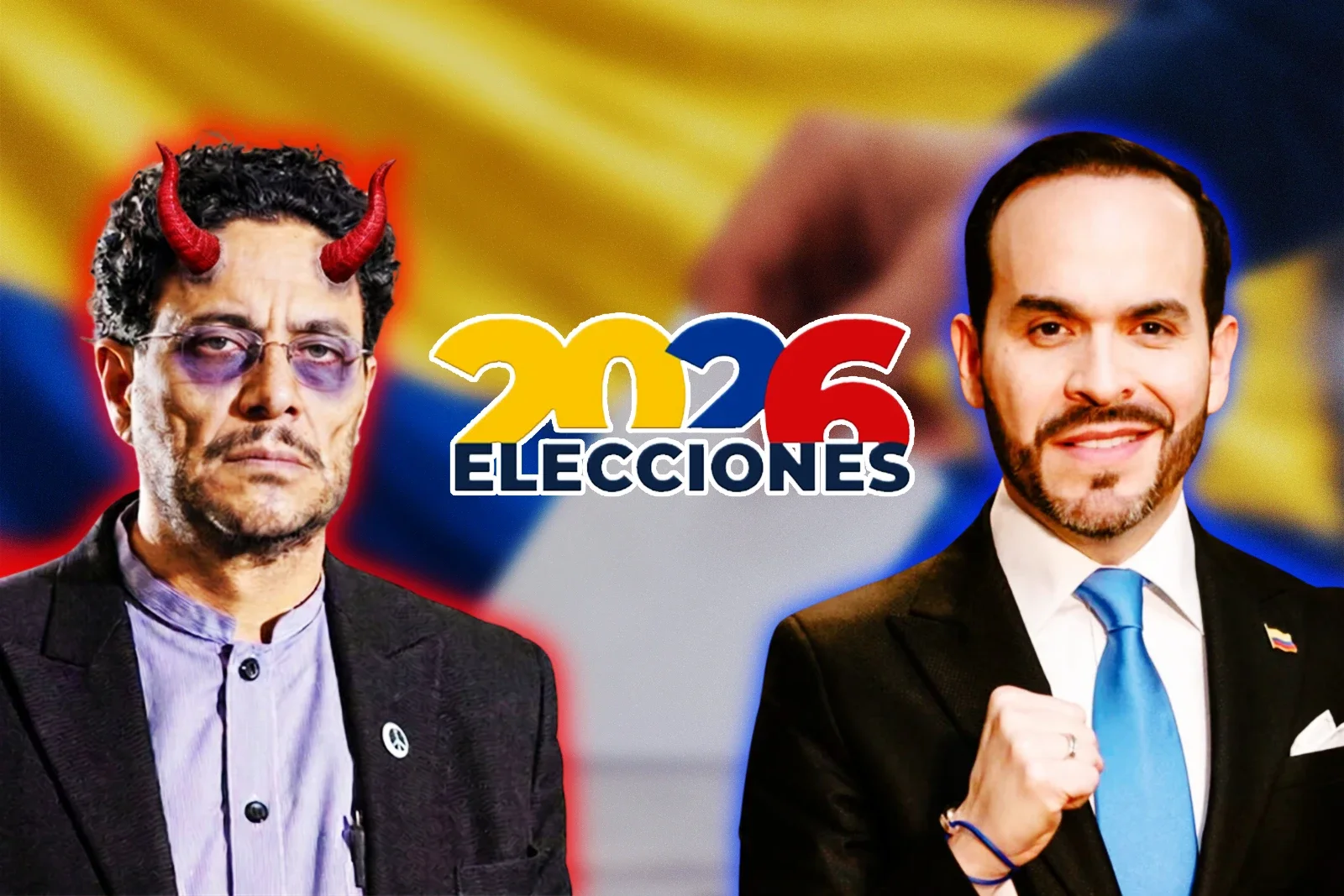
Cepeda and Petro.
“As president, I do not accept the results of the pre-count from the private firm of the Bautista brothers,” he expressed, while denouncing the alleged existence of a parallel registry with “800,000 ballots more from people who are not in the official census.”
In his message, Petro also claimed, without evidence, that “the already contested tables demonstrate that hundreds of thousands of votes were added without the existence of voters.”
The statements generated an immediate political and institutional impact, as they imply a rejection of the mechanisms of the electoral process in Colombia, recognized for its transparency.
Abelardo and Cepeda.
Abelardo denounces a coup
In this scenario, the most voted candidate of the day, the right-wing Abelardo de la Espriella, reacted with a forceful speech warning of an attempt to break the democratic order.
The leader, who led the first round with 43.77% of the votes, stated that the country is facing an ongoing coup. In a firm tone, De la Espriella called to defend democracy “by reason or by force” and assured that he is willing to “be killed for Colombia” if necessary.
"As he has warned for years, (Petro) wants to perpetuate himself in power, disregarding the freedom of the Colombian people. That is why he invites to break electoral norms and he does it all the time. He wants to campaign for his puppet, the impeded Cepeda,” he denounced.
The candidate also urged the international community, especially the United States, to remain alert to the institutional situation of the country, as it is a critical moment for Colombian democracy.
Petro's concerning statements and De la Espriella's reaction deepen the political polarization that had already been evident after the electoral results, where the candidate of the communist government, Iván Cepeda, came in second place with 41.08% and will face off in a runoff on June 21.
This rejection of the results by Petro's government represents a dangerous signal for Colombian democracy and the constitutional order of the country.