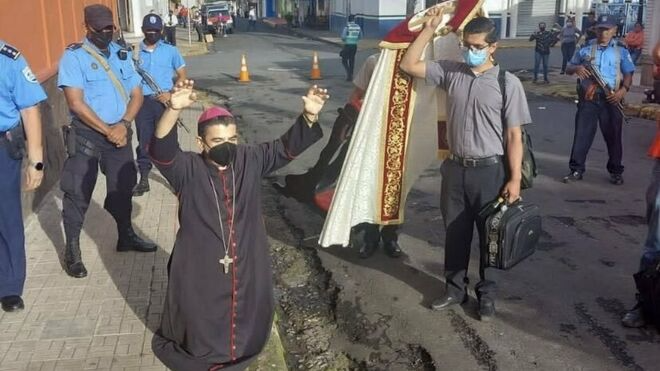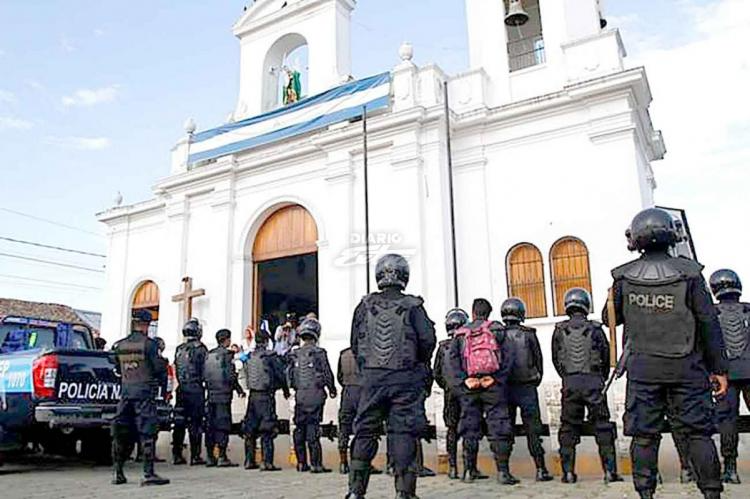

In this context, the prohibition of processions is not an isolated event, but part of a systematic policy aimed at reducing the influence of the Church in public life.
The consequence is a society where centuries-old traditions are displaced by administrative decisions that prioritize control over coexistence.
Beyond the religious level, the impact of these measures is also felt on the social fabric. The processions not only represent acts of faith, but also spaces of identity, culture and community cohesion
.Their absence leaves a gap that is difficult to fill and raises questions about the future of civil liberties in the country.
In short, what is happening in Nicaragua goes beyond religion: it reflects a model of power that, in its quest to consolidate, advances even on the most profound expressions of the cultural and spiritual life of its people.