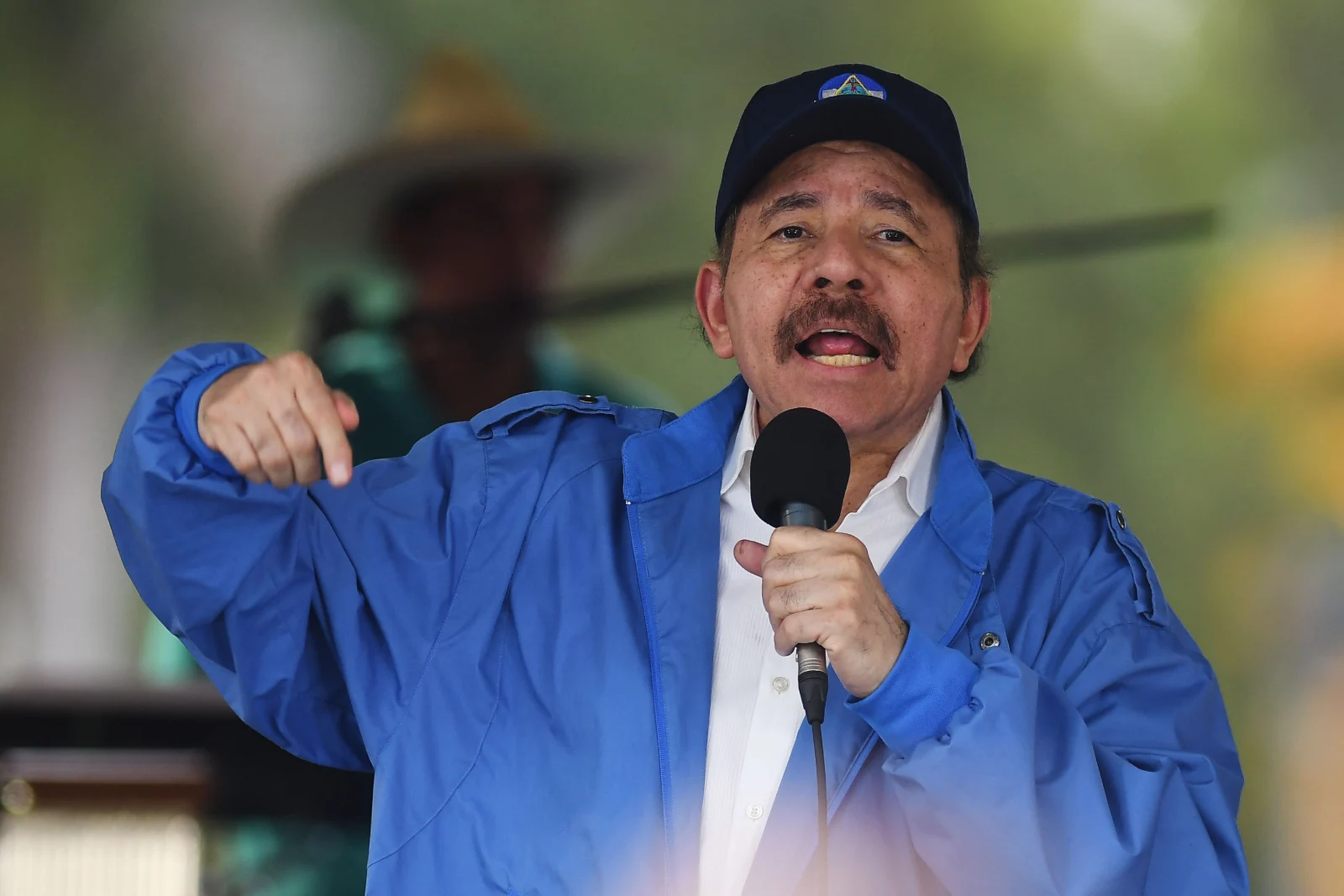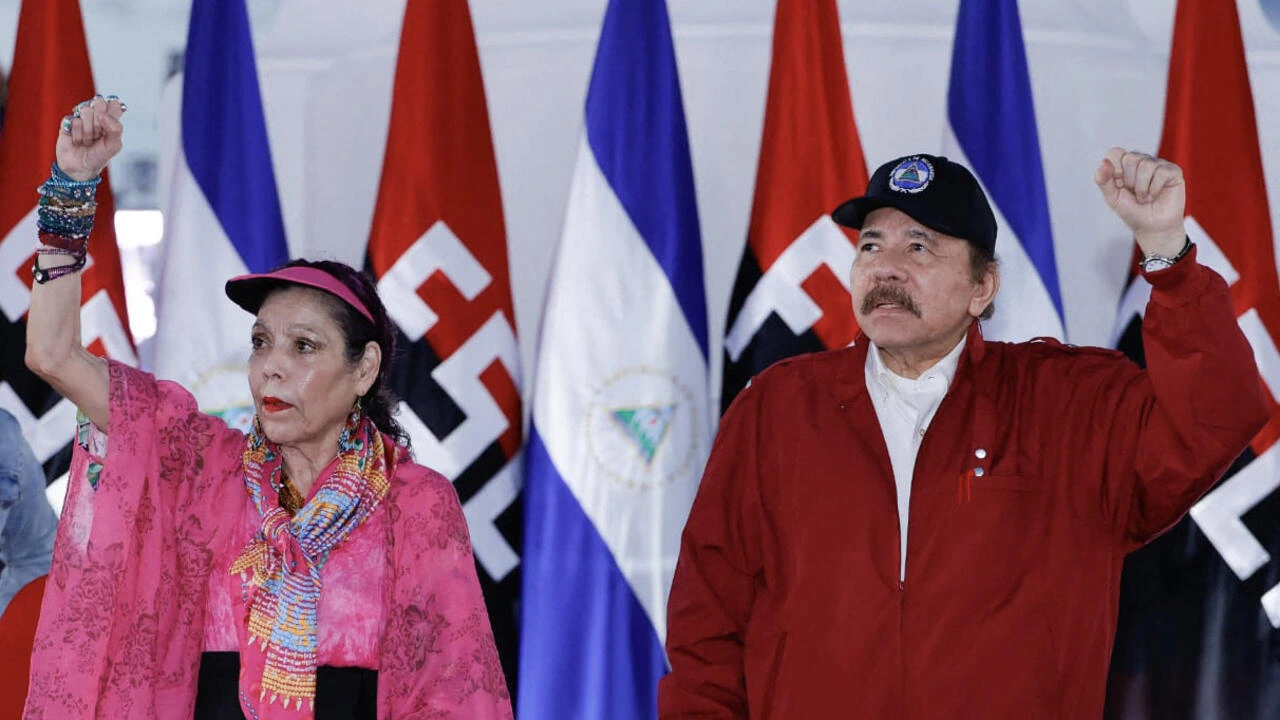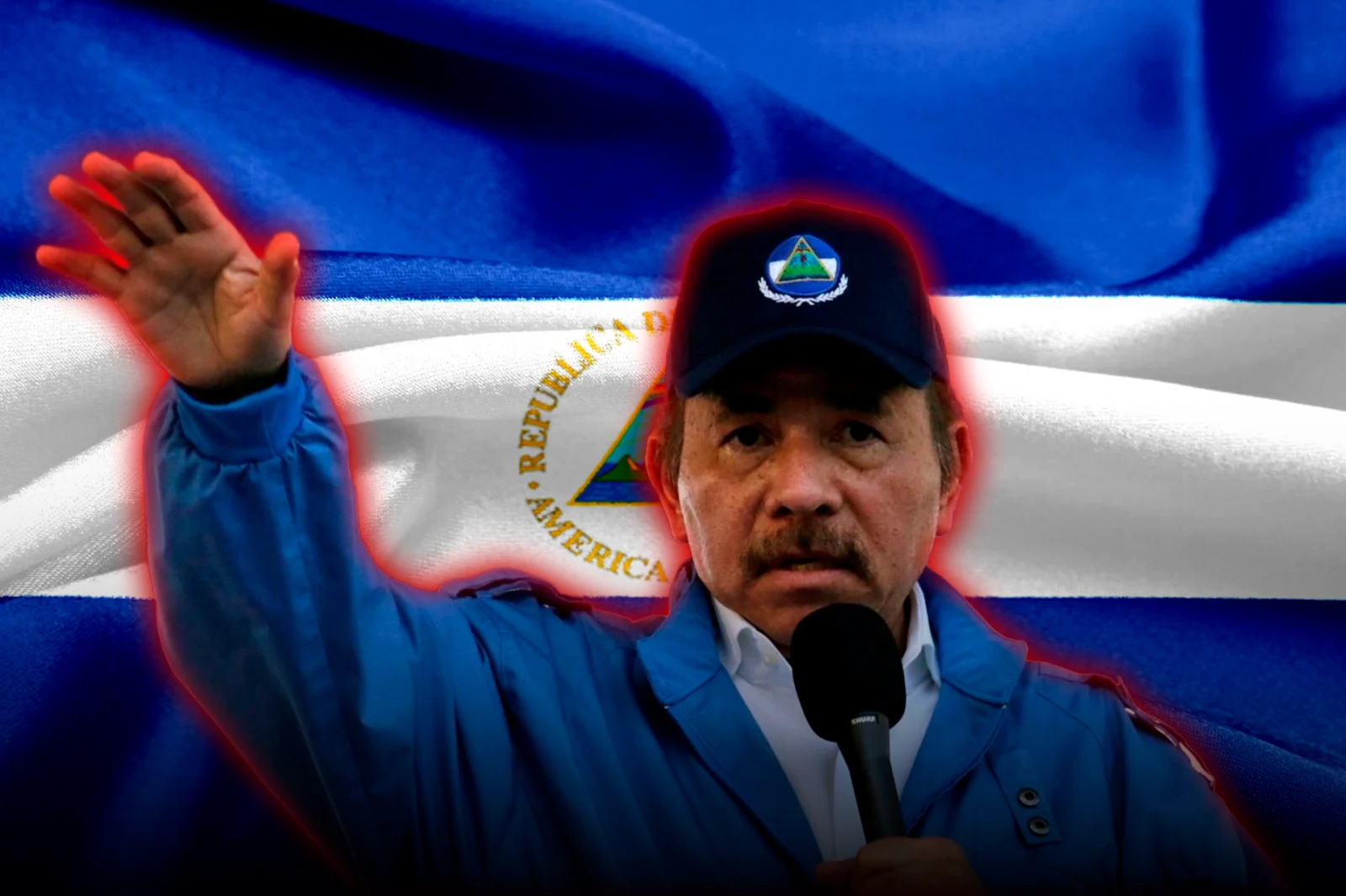









The new reform comes just weeks after Ortega publicly declared that ''there will be no more elections'' to prevent the opposition from ''trapping the government.'' The statements provoked an international reaction and heightened concerns about the future of Nicaraguan democracy.
The Organization of American States called an urgent meeting of foreign ministers to analyze the situation. The United States, the European Union, and several Latin American governments expressed rejection or concern over the actions of the Managua government.
Washington urged the international community to increase the isolation of the Nicaraguan regime, while Panama withdrew its ambassador from Managua. Other governments in the region also described Ortega's statements as a new sign of the institutional and democratic deterioration of the country.
With the eventual ratification of the reform, Ortega and Murillo would have new constitutional tools to control who can compete for public office and extend the terms of the authorities. The process once again places Nicaragua in a strong international dispute over democracy, political rights, and the concentration of power.