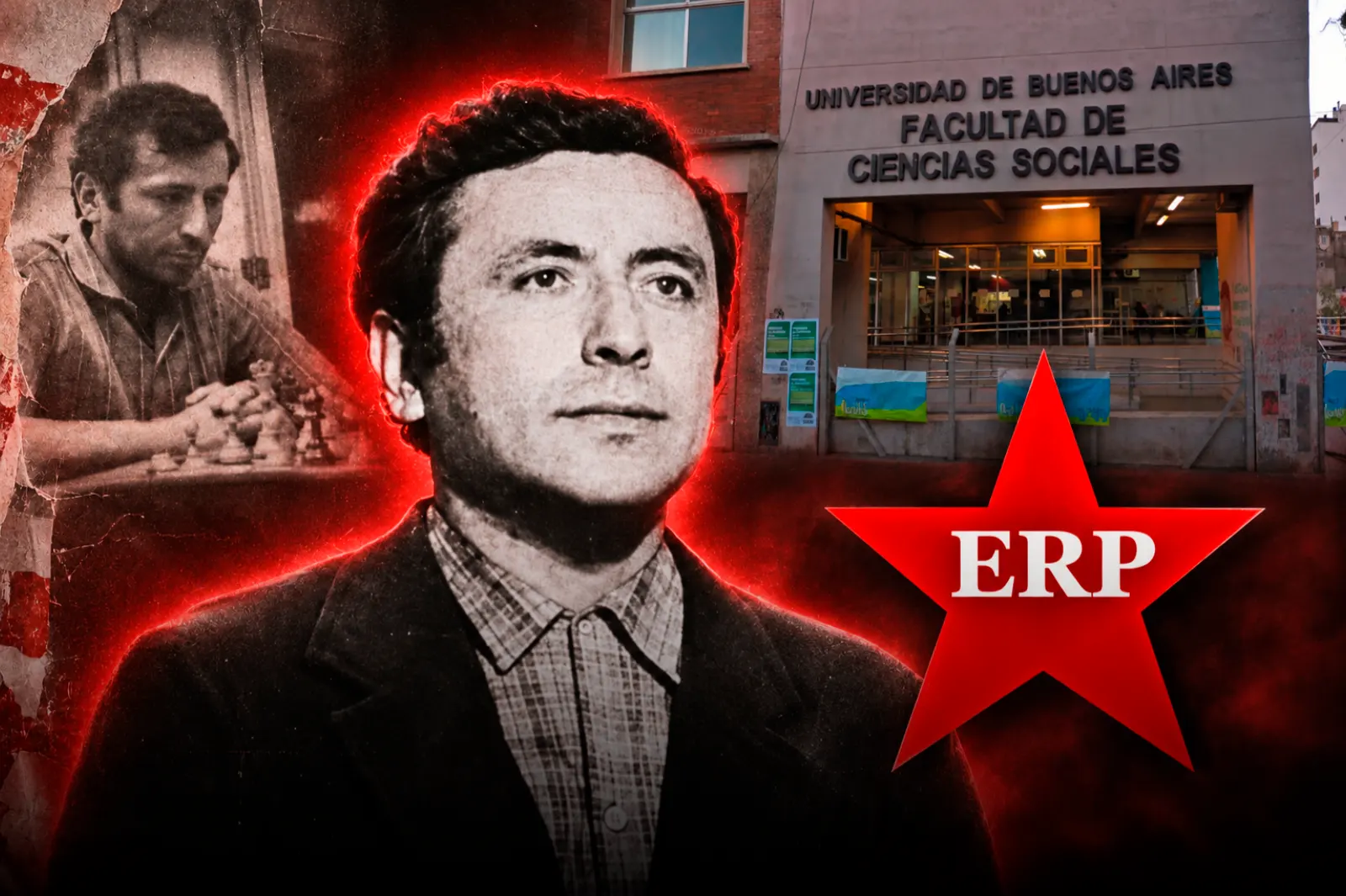

Who was Mario Santucho, the terrorist leader of the ERP who will be honored by UBA

Who was Mario Santucho, the terrorist leader of the ERP who will be honored by UBA

Santucho led a terrorist organization responsible for kidnappings, murders, and armed attacks during democratic governments

Share:

Mario Roberto Santucho was the founder and main leader of the Revolutionary Workers' Party (PRT) and commander-in-chief of the People's Revolutionary Army (ERP), one of the largest Marxist terrorist organizations in Argentina during the 1960s and 1970s.

His career was marked by the formation of guerrilla structures, links with foreign groups, and the leadership of terrorist operations in various parts of the country, with the aim of destroying democracy and forcibly establishing a communist regime.

His figure went viral again in recent days due to a deplorable tribute that the Faculty of Social Sciences at the University of Buenos Aires (UBA) plans to hold in his recognition. The initiative has generated strong criticism due to his terrorist history and the crimes committed.
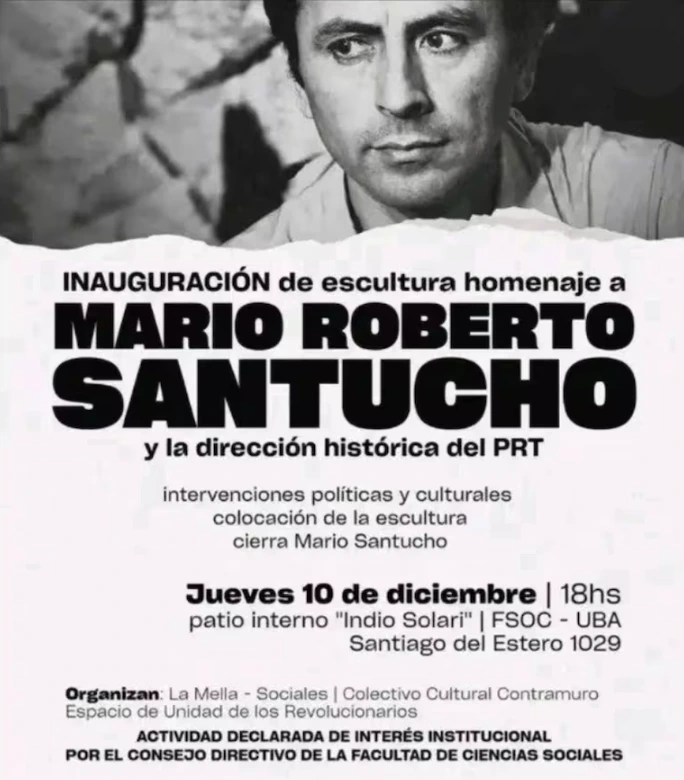
The tribute to Mario Santucho.

From his origins in Tucumán to the creation of the ERP

Santucho was born in Santiago del Estero in 1936 and graduated as a public accountant from the National University of Tucumán. During his university years, he began his political participation as a representative of leftist groups.

In 1961, he founded the Indo-American Revolutionary Popular Front and organized sugar workers in Tucumán. Four years later, in 1965, he co-founded the Revolutionary Workers' Party.

In 1970, he promoted the creation of the ERP, the armed wing of the leftist organization, which adopted a Marxist-Leninist ideology with Guevarist and Trotskyist influences.

Under his leadership, the group developed urban and rural guerrilla operations, including the activities of the Ramón Rosa Jiménez Company in Tucumán. To finance its structure, the PRT-ERP also resorted to extortion kidnappings and large-scale robberies.
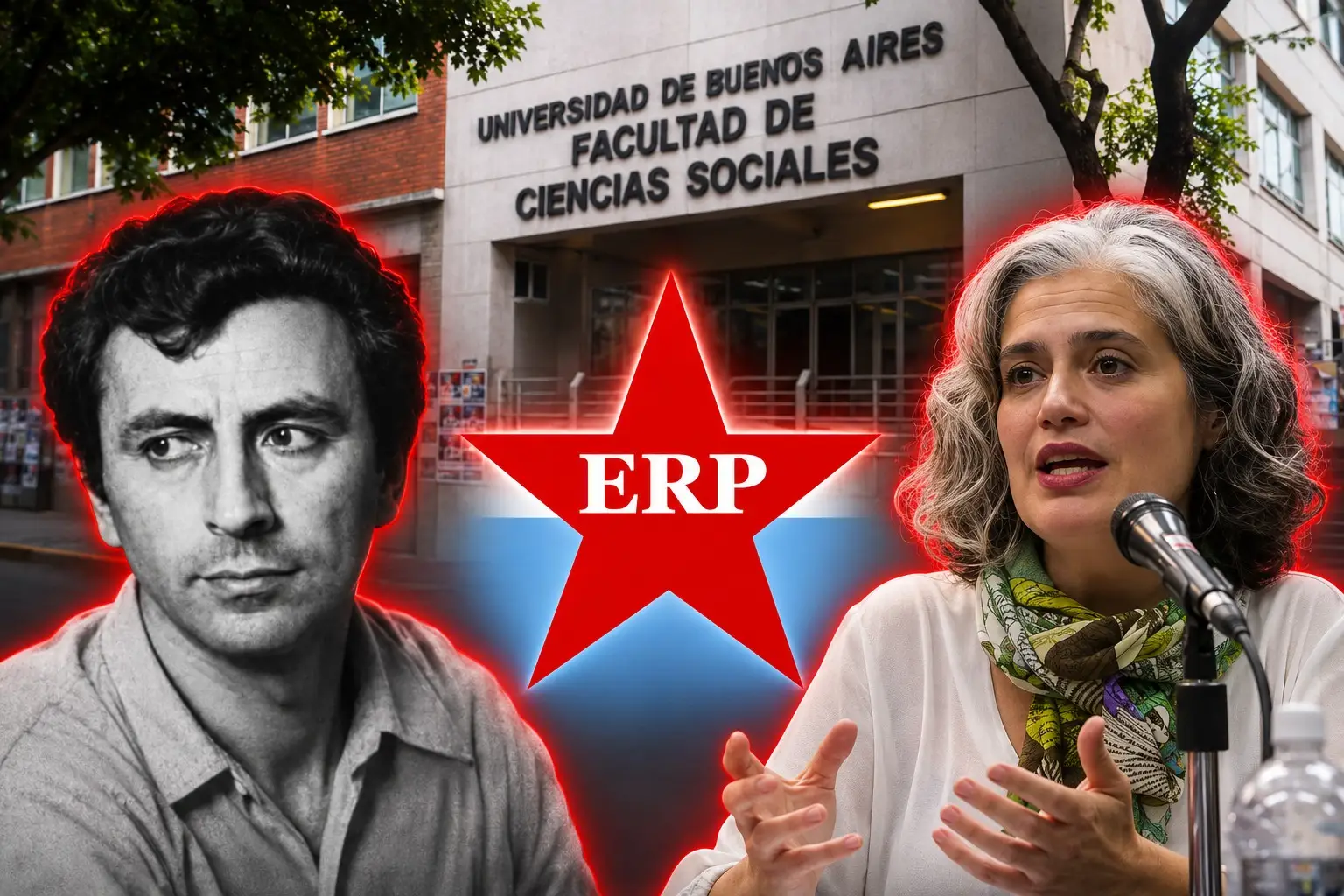
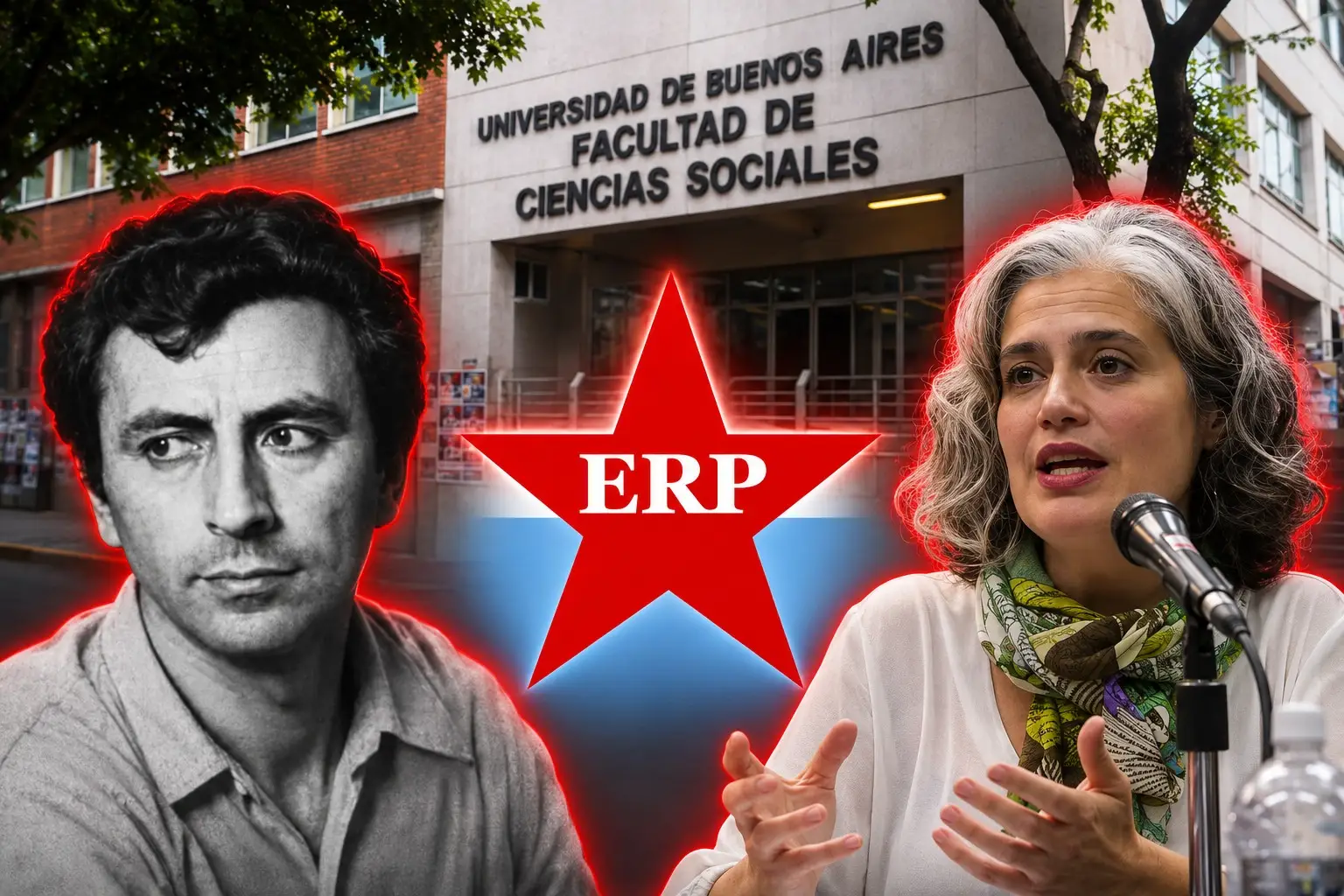
Mario Santucho and Ana Arias, dean of the Faculty of Social Sciences of the UBA.

Kidnappings, murders, and attacks on military units

Among the most serious acts carried out by the ERP, under Santucho's own directives, were the kidnapping of Fiat Concord executive Oberdán Sallustro, murdered in 1972, and the kidnapping of Swift manager Stanley Silvester.

The terrorist organization was also responsible for numerous selective murders. Among its victims were General Juan Carlos Sánchez, in 1972; Rear Admiral Hermes Quijada, in 1973; Captain Humberto Viola and his daughter, in Tucumán, in 1974; and union leader Atilio Santillán, in 1976.
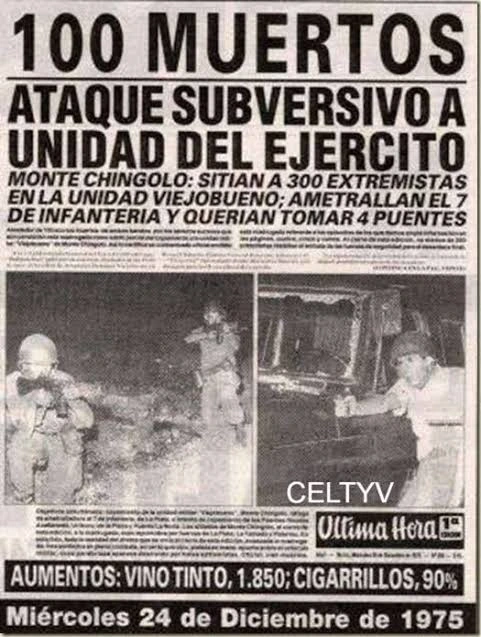
These crimes were accompanied by attacks on military installations. Notable among them were the occupation of the Azul garrison in 1974, the takeover of the Villa María Military Factory, and the assault on the Monte Chingolo Arsenal Battalion in December 1975.

ERP attack.
ERP attack.

These attacks resulted in the death or kidnapping of several members of the Armed Forces, such as Major Argentino del Valle Larrabure and Lieutenant Colonel Jorge Ibarzábal.

It is important to emphasize that the terrorist actions carried out by Santucho and his organization occurred even during democratic governments.

Military training in Cuba

Santucho built international ties with various South American terrorist organizations and received military training in Cuba.

In 1961, after traveling to the United States, he made contacts to move to the island after the Bay of Pigs invasion. There, he did volunteer work and received military training alongside other Latin American terrorists.

In August 1972, he led a prison break from Rawson prison along with other guerrilla leaders. He then traveled to Chile and obtained a safe conduct from the communist government of Salvador Allende to move to Havana.

During his stay in Cuba, he was received by the communist dictator Fidel Castro and deepened political and operational ties before returning clandestinely to Argentina in November of that year.

Finally, on July 19, 1976, during the last military dictatorship, Santucho was killed in an Army operation carried out in Villa Martelli and led by Captain Juan Carlos Leonetti, who also died during the shootout.

Despite this grave history, the Faculty of Social Sciences at UBA is moving forward with the tribute to his career as a terrorist leader of the ERP.