President Noboa called for a referendum on the Constituent Assembly.
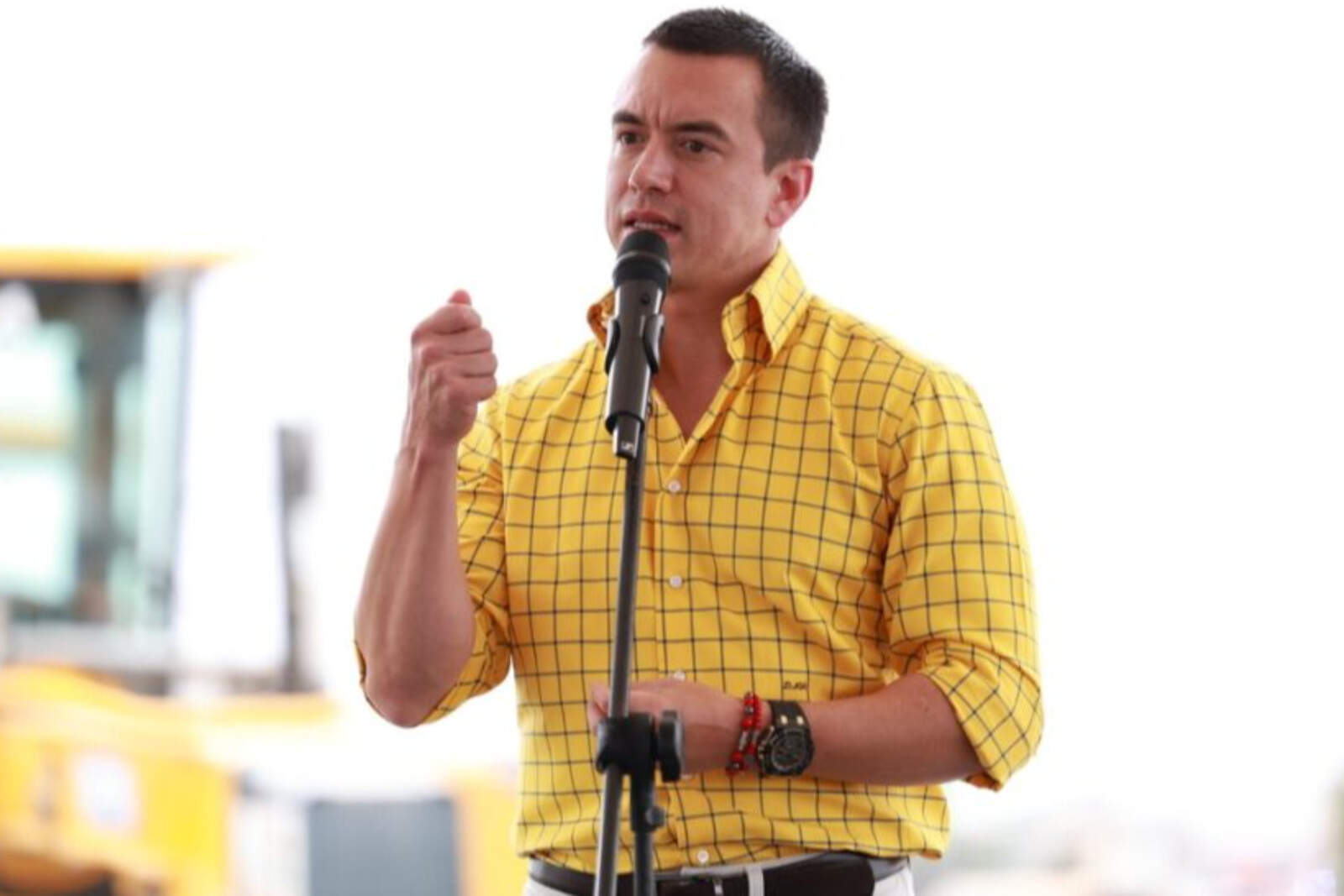
Daniel Noboa, president of Ecuador
porEditorial Team
Ecuador
Decree 148 defined rules, deadlines, and composition for establishing the new constituent body
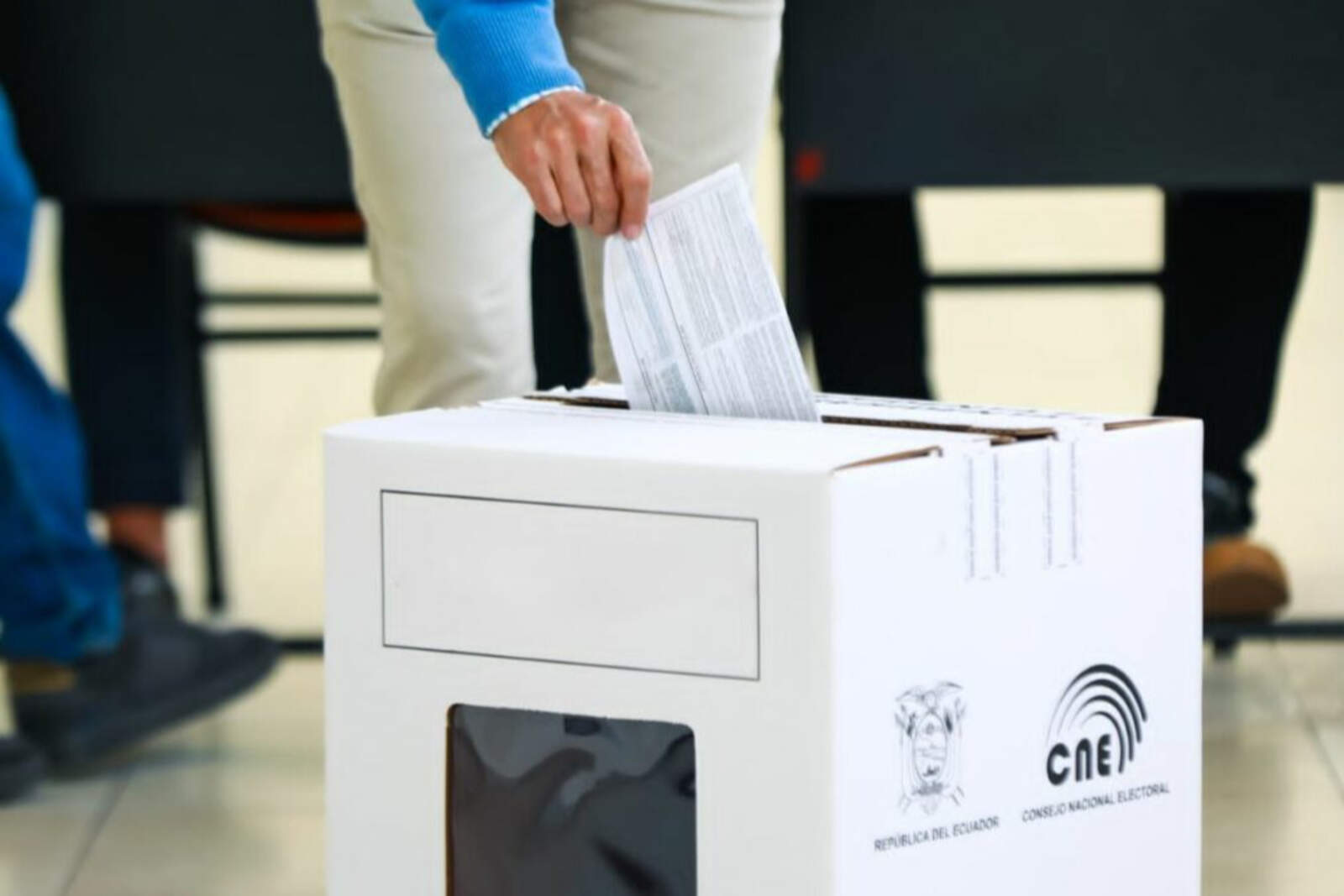
President Daniel Noboa signed Decree 148 and called for a referendum to decide whether Ecuador should establish a Constituent Assembly. The measure was introduced amid political tensions and protests organized by social sectors.
The decree established that the Assembly would have 80 members: 52 provincial, 22 national, and 6 from abroad. In addition, the method for allocating seats would be D'Hondt, replicating the country's current electoral system.
The duration of the Assembly was set at 180 days, extendable for 60 more. According to the decree, ten days after the announcement of results, the Assembly would be installed automatically without the need for an additional call.
The Executive argued that Ecuador was facing an unprecedented security crisis and denounced the infiltration of corruption networks in the judicial system. With that diagnosis, Noboa defended the urgency of new institutional rules.
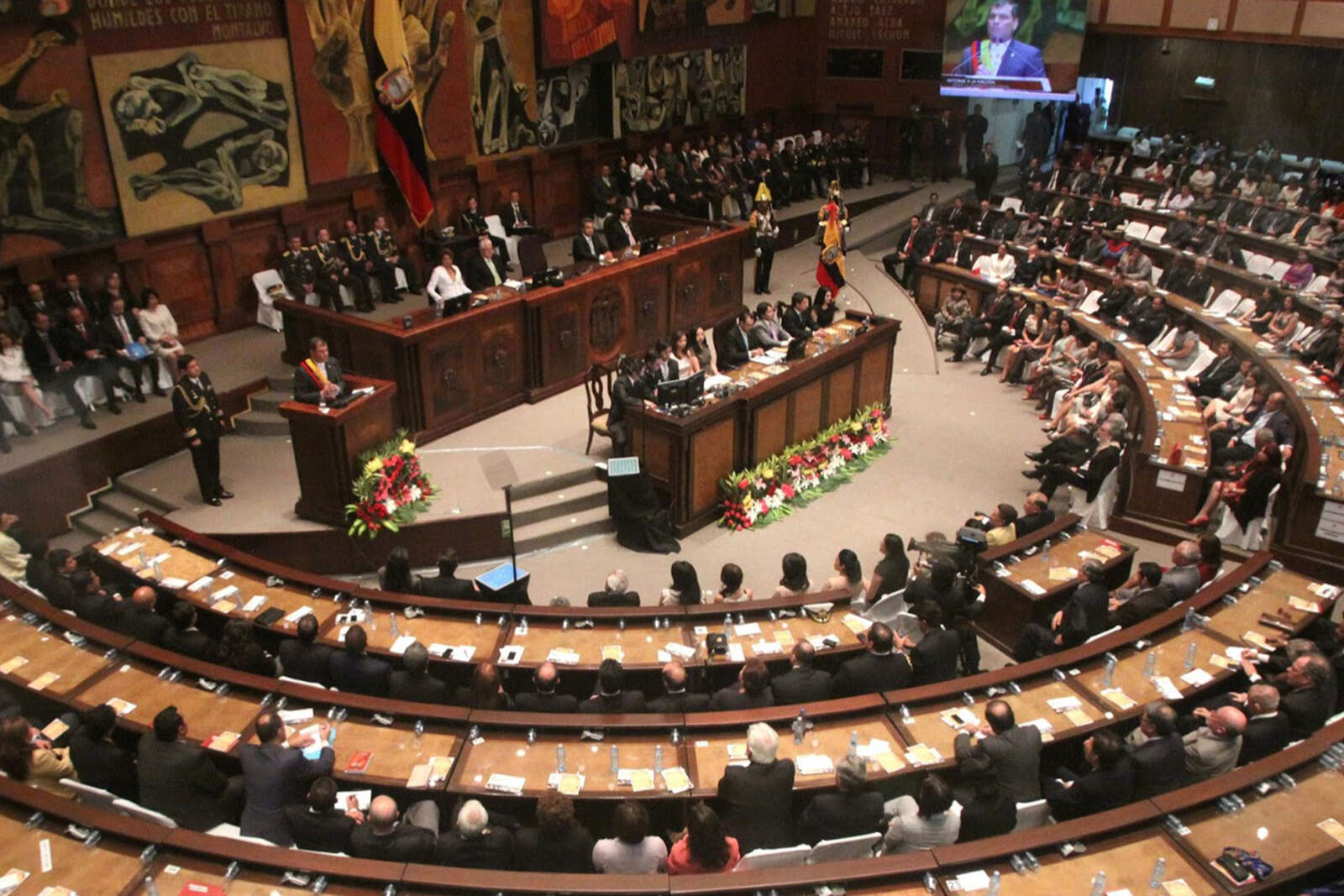
Asamble Nacional de Ecuador
The Government indicated that the current Montecristi Constitution, drafted in 2008, no longer met citizens' needs. According to Noboa, the population had lost confidence in public authorities and demanded an essential reform.
The Constitutional Court had warned that any constituent process should be subject to its control. However, the Executive proceeded directly with the decree, generating an institutional clash and a legal debate over its validity.
The Government's allies supported the measure as a way to restore governability. Opponents, meanwhile, denounced a rushed and risky attempt, with which Noboa sought to increase his political margin.
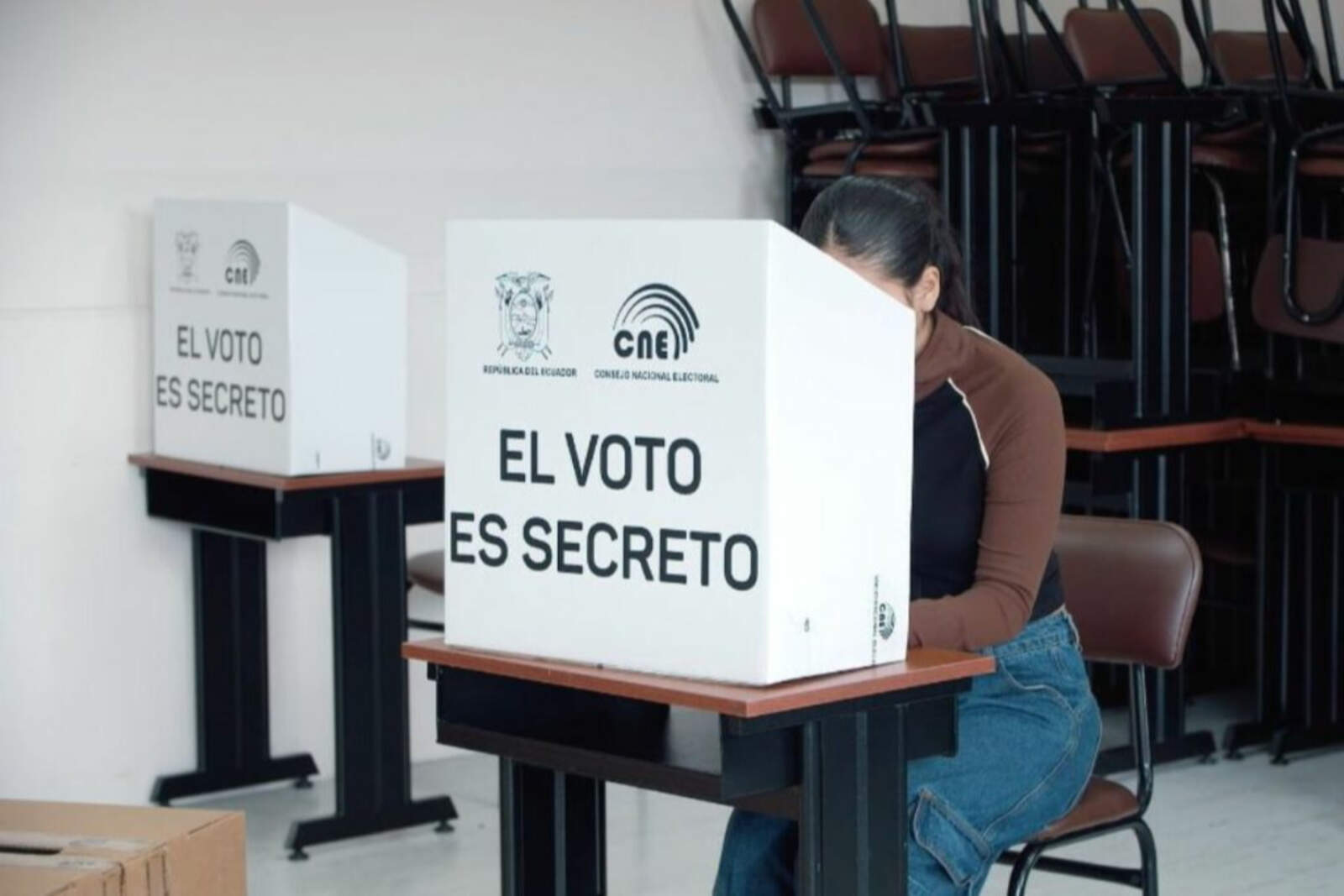
The call for a referendum became the most prominent item on the Executive's agenda. It will be the citizens, through their vote, who decide whether to support the path toward a new Constitution or to reject the presidential proposal.