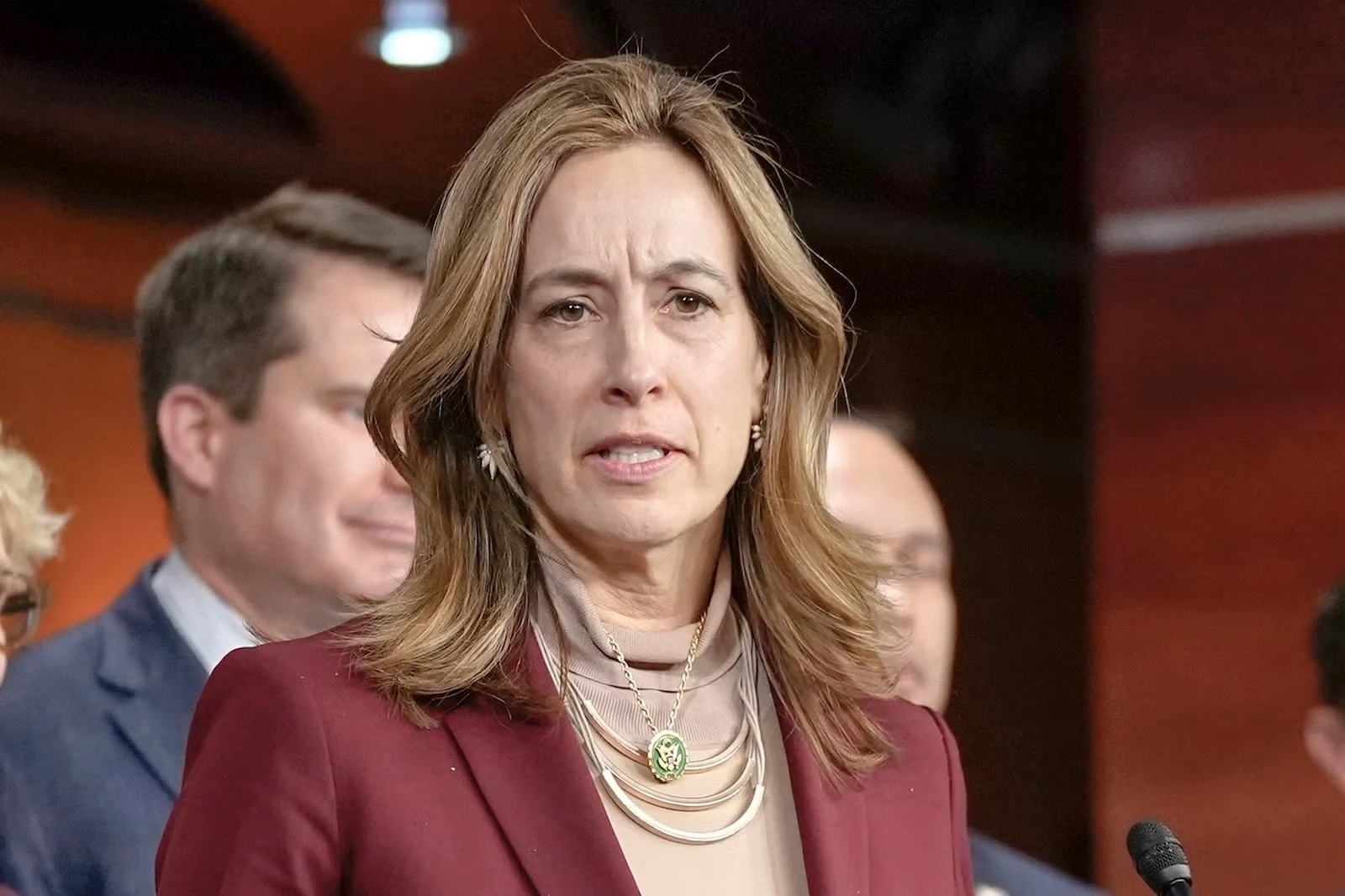
The Democratic governor of New Jersey, Mikie Sherrill, announced on Tuesday that she will refuse to provide the Department of Justice (DOJ) with personal information about thousands of people who were erroneously registered to vote in the state, a decision that has sparked a strong confrontation with federal authorities and renewed criticism regarding the management of electoral integrity.
The DOJ's Civil Rights Division, led by Deputy Attorney General Harmeet Dhillon, had requested on July 21 the names, birth dates, addresses, nationalities, and registration dates of approximately 6,600 non-citizens who appeared on New Jersey's voter rolls. According to information provided by authorities, about 400 of those individuals may have cast their votes.
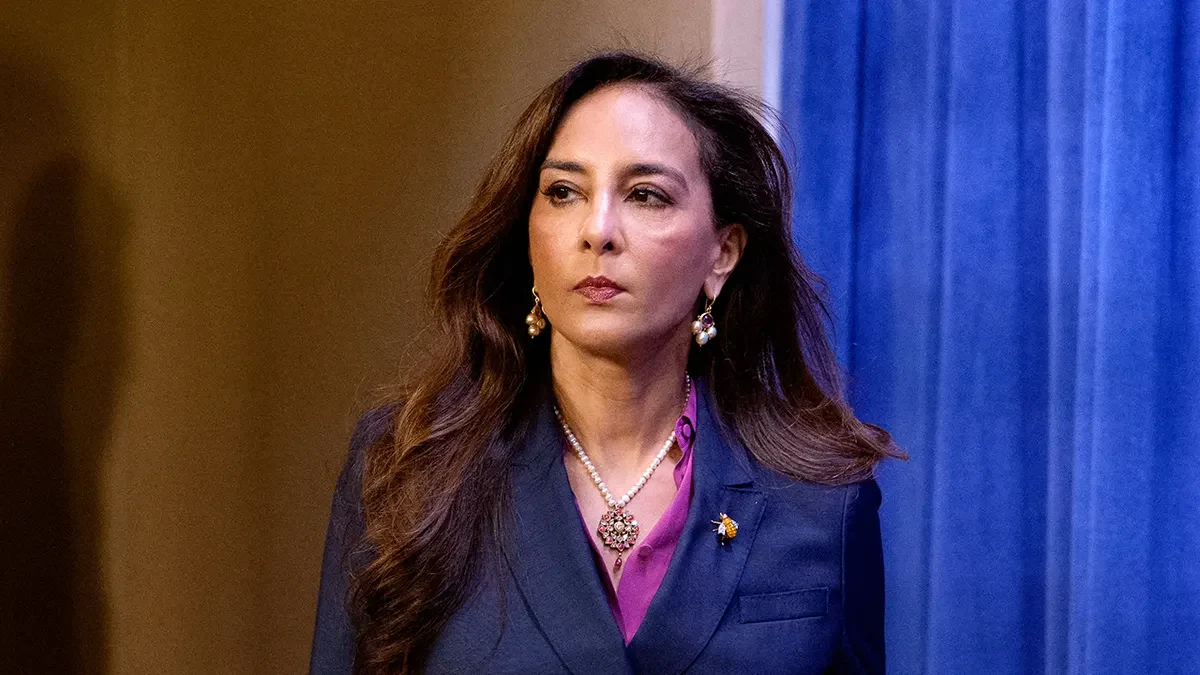
Dhillon gave Sherrill a five-day deadline to provide the requested data. However, the governor responded that New Jersey would not provide the personal information of thousands of residents and argued that the request lacked legal basis.
Sherrill argued that non-citizens were registered to vote "without any fault" and assured that state and local authorities are working to correct the issue. The governor stated that her priority is to protect the personal information of residents and prevent their data from being handed over to the federal government without sufficient legal grounds.
The Democratic governor of New Jersey will refuse to provide the Trump administration with data on thousands of registered non-citizens to vote
Sherrill's response, however, was harshly questioned by the Department of Justice. Dhillon maintained that the governor's refusal does not protect law-abiding voters and accused the state of having a legal obligation to prevent ineligible individuals from remaining on the voter rolls.
''The DOJ will obtain this information by all legal means,'' warned Dhillon, leaving open the possibility that the federal government will continue to use judicial mechanisms to access the data.
The Department of Justice points out that the presence of thousands of non-citizens on the rolls constitutes a potential case of ''illegal dilution of American votes.'' The controversy adds to a lawsuit that the Trump administration is pursuing against New Jersey to gain access to the state's voter registration data.
The Department of Justice warned New Jersey's Democratic authorities that it will use all legal avenues to obtain that data
The scandal has also raised questions about the management of Sherrill's administration. The Democratic governor attributed the erroneous registration to a ''serious software error'' in the state's Motor Vehicle Department system, linked to the French tech company IDEMIA. The company, however, refused to take full responsibility and pointed out that the New Jersey Election Department is ultimately responsible for verifying voter eligibility.
Sherrill's critics believe that the governor should offer greater transparency and cooperate with federal authorities to determine exactly how the error occurred, how many ineligible individuals ended up registered, and whether any of them actually participated in elections. From this perspective, refusing to provide information requested by the DOJ could hinder an investigation aimed precisely at clarifying the extent of the problem.
The controversy is particularly uncomfortable for Sherrill because she also faces criticism for her previous statements regarding electoral integrity. On July 16, the governor joined a statement signed by 23 other Democratic governors that described as ''deeply alarming'' the warnings from President Donald Trump about the registration of non-citizens and potential foreign interference in U.S. elections.
The Democratic governor of New Jersey tried to accuse President Trump of "intimidating" voters in the state
The statement accused Trump of attempting to ''undermine free and fair elections'' and of intimidating and silencing voters. However, Dhillon argues that Sherrill was already aware of the problem in New Jersey's voter rolls when she publicly criticized the president.
The DOJ official accused the governor of having known that thousands of non-citizens were on the rolls and, yet, having questioned Trump's warnings. ''Shame on you, governor,'' Dhillon wrote in a direct critique of Sherrill.