The Democratic governor of Pennsylvania, Josh Shapiro, signed an executive order establishing new restrictions on the construction and development of data centers intended for artificial intelligence (AI), a measure that has drawn criticism from Republicans due to the governor's shift in stance towards an industry he previously promoted.
The new decree requires data center developers to meet strict environmental and transparency requirements, in addition to obtaining approval from local communities before starting new projects. Shapiro also removed this type of facility from the state's ''Fast Track'' permitting program, meaning that projects will be subject to a more rigorous review process.
''I will demand the strictest standards in the country for AI data centers,'' Shapiro stated, accusing developers with economic interests of trying to pressure the residents of Pennsylvania. The governor maintained that he will not allow communities to be ''intimidated'' by large tech companies and their lawyers.
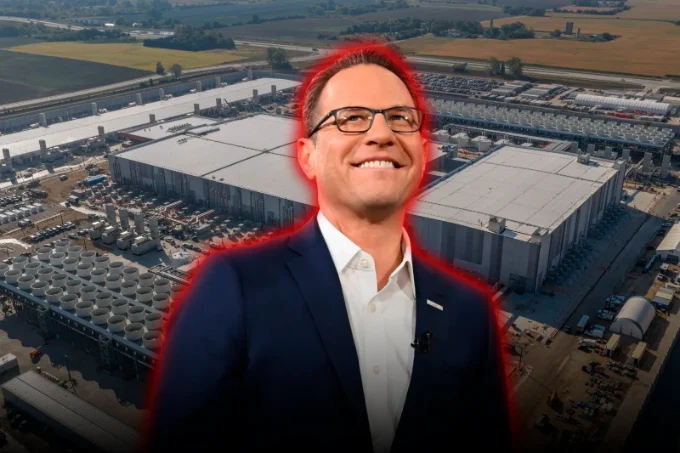
Democratic Governor of Pennsylvania, Josh Shapiro, restricted data centers in the state after promoting them
According to the new provisions, developers will have to legally commit to meeting responsible infrastructure standards known as GRID. They will also have to bear the costs related to the electricity supply of their facilities and demonstrate that they have the necessary energy capacity to operate without passing those costs onto taxpayers.
Shapiro defended his decision arguing that the industry's growth has occurred too rapidly. He recalled that during the previous year he announced two projects that, according to his administration, would generate thousands of jobs and over $20 billion in investments for Pennsylvania.
However, the governor stated that since then there has been an increase that he described as ''unacceptable'' in speculative proposals to build data centers. According to Shapiro, that volume of projects is overwhelming the state and putting pressure on municipal governments.
The governor also acknowledged that there are currently no operational AI data centers in Pennsylvania and that only five projects have the necessary permits to begin operations. Nevertheless, he assured that some developers are causing concern among communities and adopting an aggressive stance towards municipal officials.
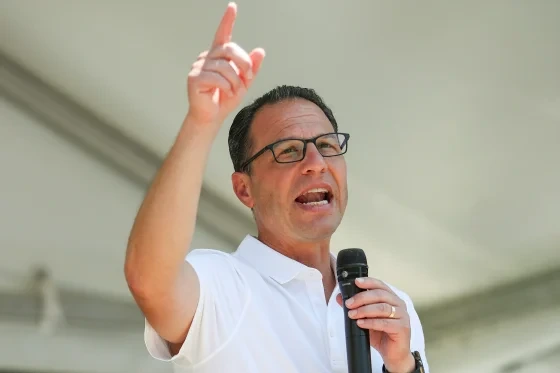
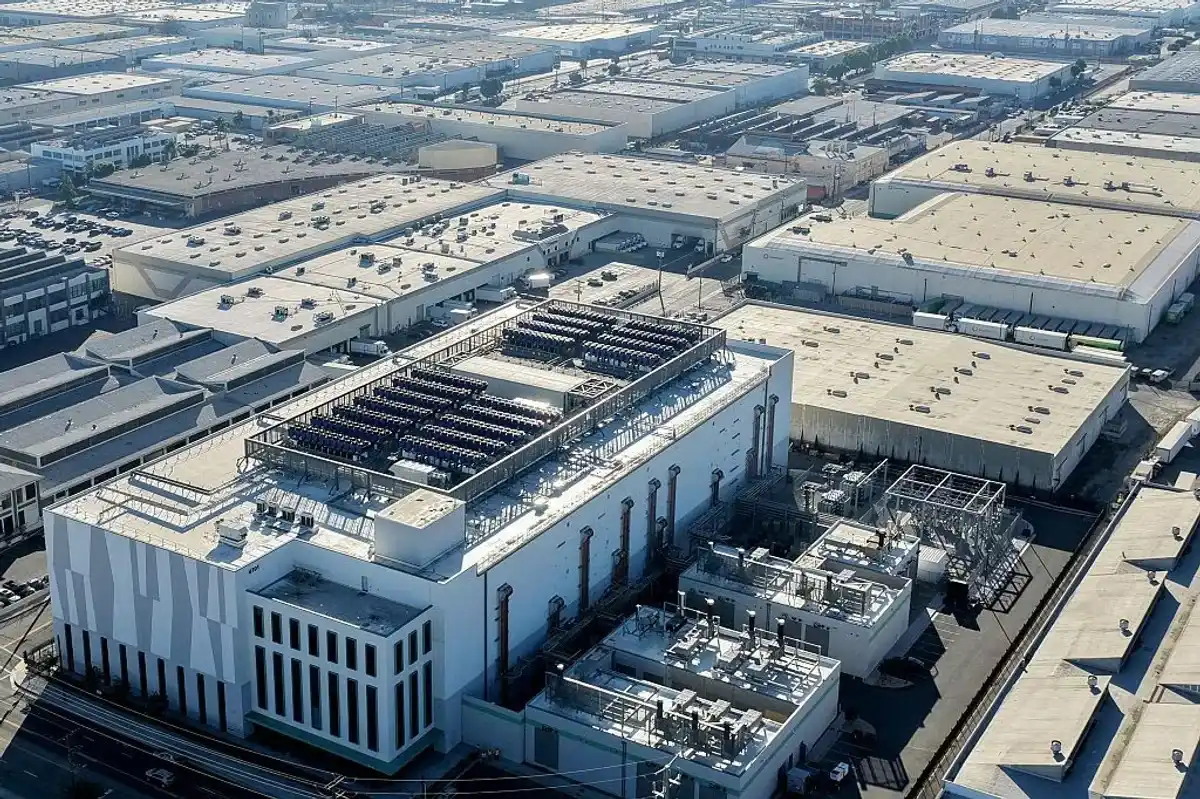
Shapiro mentioned that there are currently no artificial intelligence data centers in Pennsylvania
Republican Criticism of Ben Shapiro's Shift in Pennsylvania
The executive order provoked a strong reaction from Republicans, who particularly question the governor's shift. Stacy Garrity, the Republican candidate for governor, accused Shapiro of trying to convince residents that they have not seen the rapid growth of data center proposals over the past year.
Garrity maintained that Shapiro had previously been one of the main promoters of the expansion of this industry in Pennsylvania and that he is now trying to present himself as a defender of communities against the very projects he previously supported.
The Republican also questioned the financial connections between the governor and interests linked to data centers. According to Garrity, Shapiro received over $5 million in campaign donations from interests related to this industry and from other states.
The accusation adds a political dimension to the new executive order. Republicans argue that Shapiro's change in rhetoric could be related to growing pressure from communities and the need to respond to an issue that has become a source of concern for voters.
The Republican candidate for governor of Pennsylvania, Stacy Garrity, launched harsh criticisms against Shapiro and his political contributions
The case also exposes a contradiction affecting Democrats who simultaneously support the expansion of technology and stricter regulatory policies. While much of the Democratic Party promotes investments in artificial intelligence as part of economic modernization, it also faces criticism from communities concerned about energy consumption, electricity costs, and the environmental impact of data centers.
For critics, Shapiro's stance represents an example of the difficulty Democrats face in balancing their promises to attract large technological investments with the local consequences of those projects. The governor is now trying to present himself as a guarantor of transparency and protector of residents, but Republicans question why those concerns did not carry the same weight when his administration sought to attract multimillion-dollar investments.
The new order, therefore, marks a significant shift in Pennsylvania's policy towards AI data centers. Shapiro claims he seeks to protect communities and ensure that companies fully bear the costs of their operations. His opponents, on the other hand, believe that the governor is reacting late to a situation he himself helped to promote and question the influence that economic and political interests may have had on his previous stance.
The debate is likely to continue as the demand for infrastructure for artificial intelligence increases. Pennsylvania will need to decide how to attract investments and jobs without overloading its electrical grids or passing costs onto citizens, while Shapiro faces the challenge of explaining the shift between his initial enthusiasm for these projects and the restrictions he is now imposing.
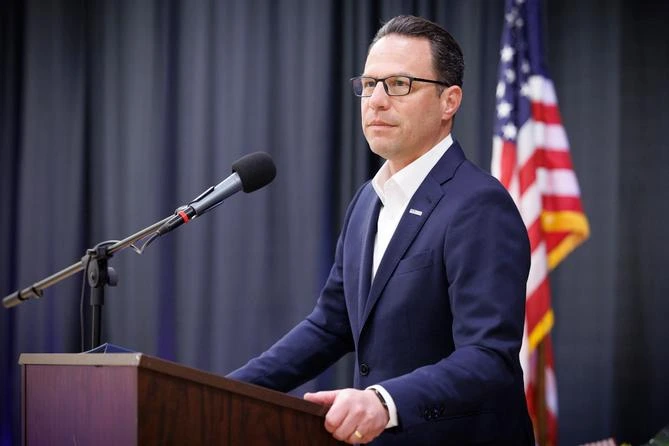
The Democratic governor of Pennsylvania had been one of the major proponents of AI data centers in the state