The representative of the Democratic Party Seth Moulton from Massachusetts opened a new front within his own party by promising that he will vote against Chuck Schumer for the Senate minority leadership if he manages to defeat Senator Ed Markey in the primaries and subsequently reaches the Upper Chamber.
During a debate held on Monday night, Moulton stated that his first vote as a senator would not be in favor of Schumer, arguing that Democrats need ''new leadership'' at the top of the party. The statement represents a direct challenge to one of the most important figures of the Democratic caucus in Washington and highlights internal tensions over who should lead the party in the coming years.
The dispute arose when a media listener asked Moulton what positions he held that differentiated him from Markey. The congressman seized the opportunity to question both his rival and the current Democratic leadership.
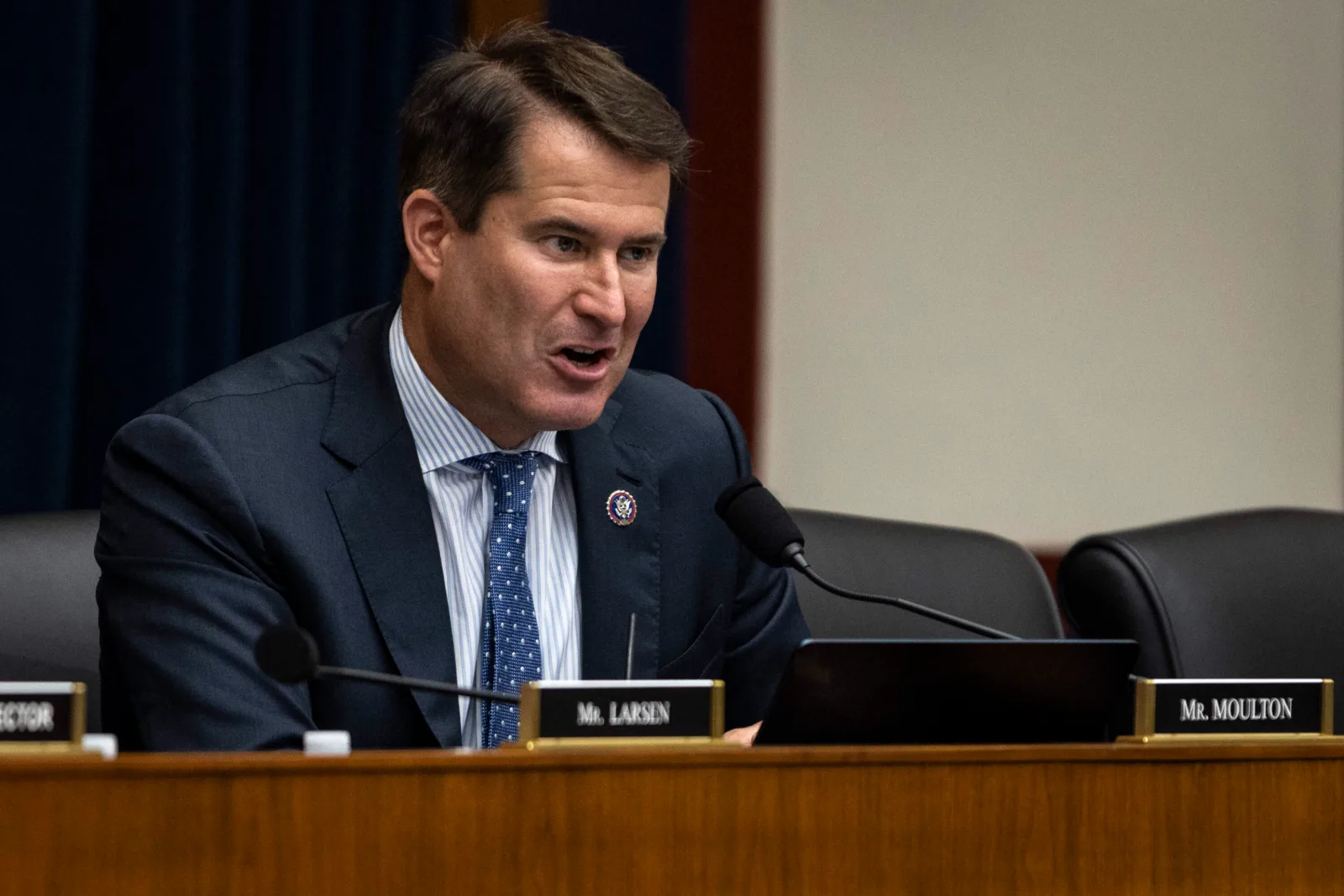
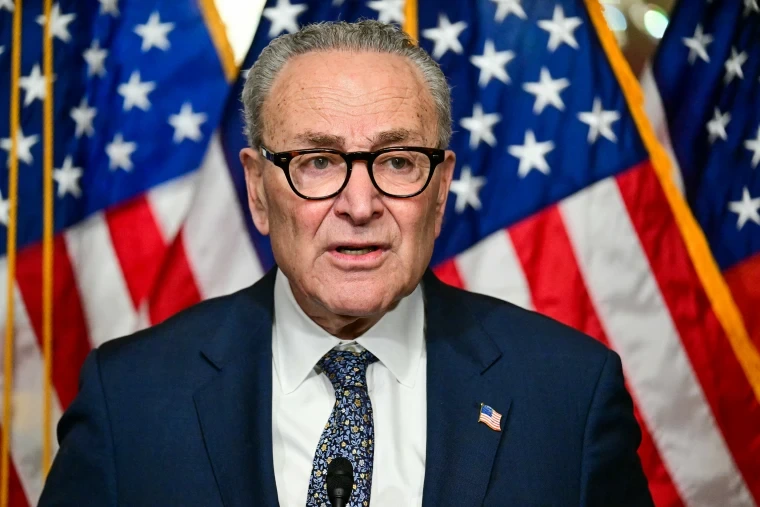
Democratic Senate candidate Seth Moulton stated that he will seek to prevent Chuck Schumer from being reelected as minority leader
Moulton also promised not to support the nominees of President Donald Trump and criticized Markey for voting in favor of 61 candidates proposed by the president, including Secretary of State Marco Rubio.
''How could you vote to send him to the State Department?'', questioned Moulton, who later attacked the Trump administration's policies related to transgender individuals.
Markey, for his part, also did not offer explicit support for Chuck Schumer. When asked about Senate leadership, he stated that Democrats need a ''big debate'' about who should lead the caucus and what the direction of the institution should be.
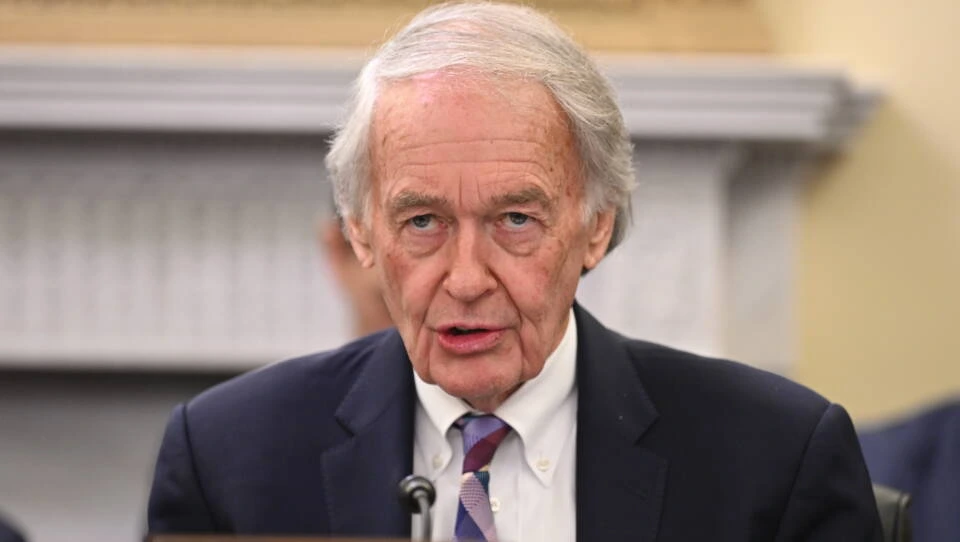
The candidate from Massachusetts also targeted Democratic Senator Ed Markey for voting in favor of Marco Rubio's appointment as Secretary of State
A rebellion that Moulton has already led
The confrontation with the Democratic leadership is not new for Moulton. In 2018, the congressman led an internal rebellion aimed at preventing Nancy Pelosi from retaining the leadership of the Democrats in the House of Representatives.
A year later, Moulton accused the leaders of his party of ''failing'' by dividing the caucus and not pushing back strongly enough against Trump. He also argued that Pelosi and other leaders were not creating enough opportunities for young legislators and new members of Congress.
His current argument maintains a similar line: the need to replace a generation of leaders who, according to their critics, have failed to provide an effective response to the electoral challenges facing the party.
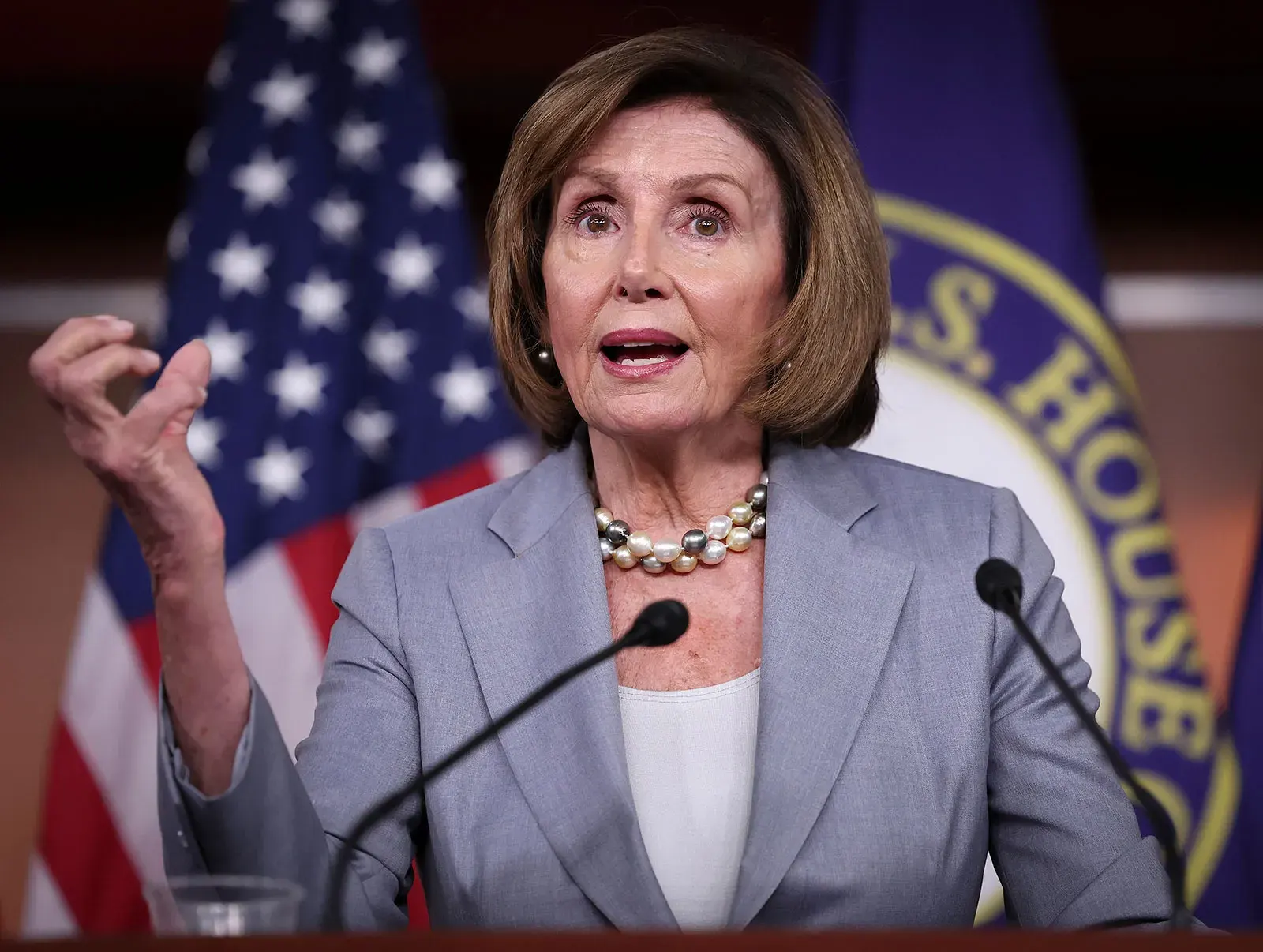
Moulton had already tried to unseat Democratic leader Nancy Pelosi in the House of Representatives
The crisis between the socialist wing and the Democratic establishment
Moulton's dispute with Chuck Schumer occurs amid a broader fracture within the Democratic Party. On one side is the traditional sector, made up of leaders with decades of experience in Washington and a generally more institutional and pragmatic strategy.
On the other side is the progressive wing, which has gained influence in recent years, pushing for much more radical positions on economic and social issues and openly questioning the party's historical leaders. Although not all of its members formally identify as socialists, sectors of this current have adopted proposals associated with democratic socialism and seek to profoundly transform the priorities of the Democrats.
The tension is reflected in the primaries, where younger candidates are trying to displace established figures and present the renewal of the party as an urgent necessity. For this sector, traditional leaders have been too moderate and have failed to respond to the discontent of a significant part of the Democratic base.
The Muslim Democrat candidate for senator from Michigan, Abdul El-Sayed, also fired shots at the old guard of the Democratic Party
The traditional wing, on the other hand, fears that excessive radicalization will alienate independent and moderate voters and make it difficult to regain support in competitive states and districts.
The confrontation is also observed outside of Massachusetts. Abdul El-Sayed, a 41-year-old progressive candidate competing for the Democratic Senate nomination in Michigan, recently issued a warning to Schumer during a rally: ''If you are Chuck Schumer, I am quite dangerous''.
A battle for the future of the Democratic Party
Moulton's challenge to Schumer, therefore, goes beyond a personal dispute or a primary in Massachusetts. It is part of an internal struggle to define what kind of Democratic Party will emerge in the next elections.
The absence of a consensus on the direction of the organization could become a significant electoral vulnerability. Democrats not only have to face Republicans and Trump, but also resolve their own differences regarding leadership, ideology, and strategy.
The battle for Schumer's succession could thus become one of the first scenarios where it is defined whether the party opts for moderate renewal or a deeper shift towards its progressive and socialist wing.
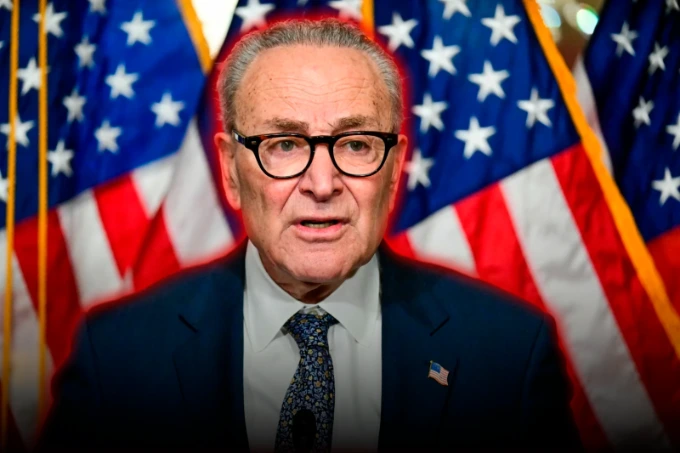
The progressive wing of the Democratic Party will seek to take a leadership position from Schumer that he has held since 2016