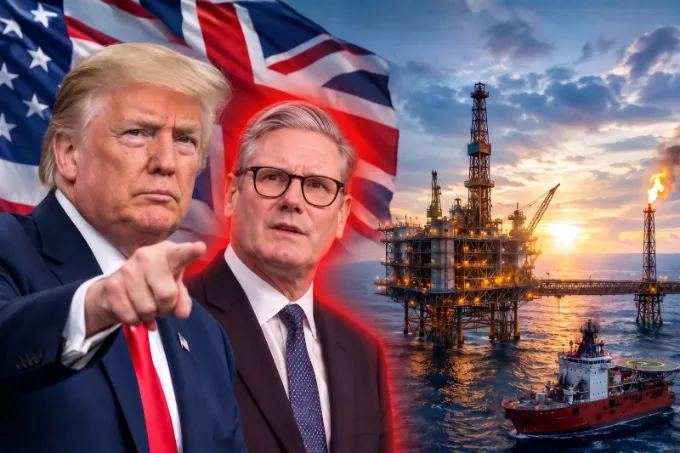
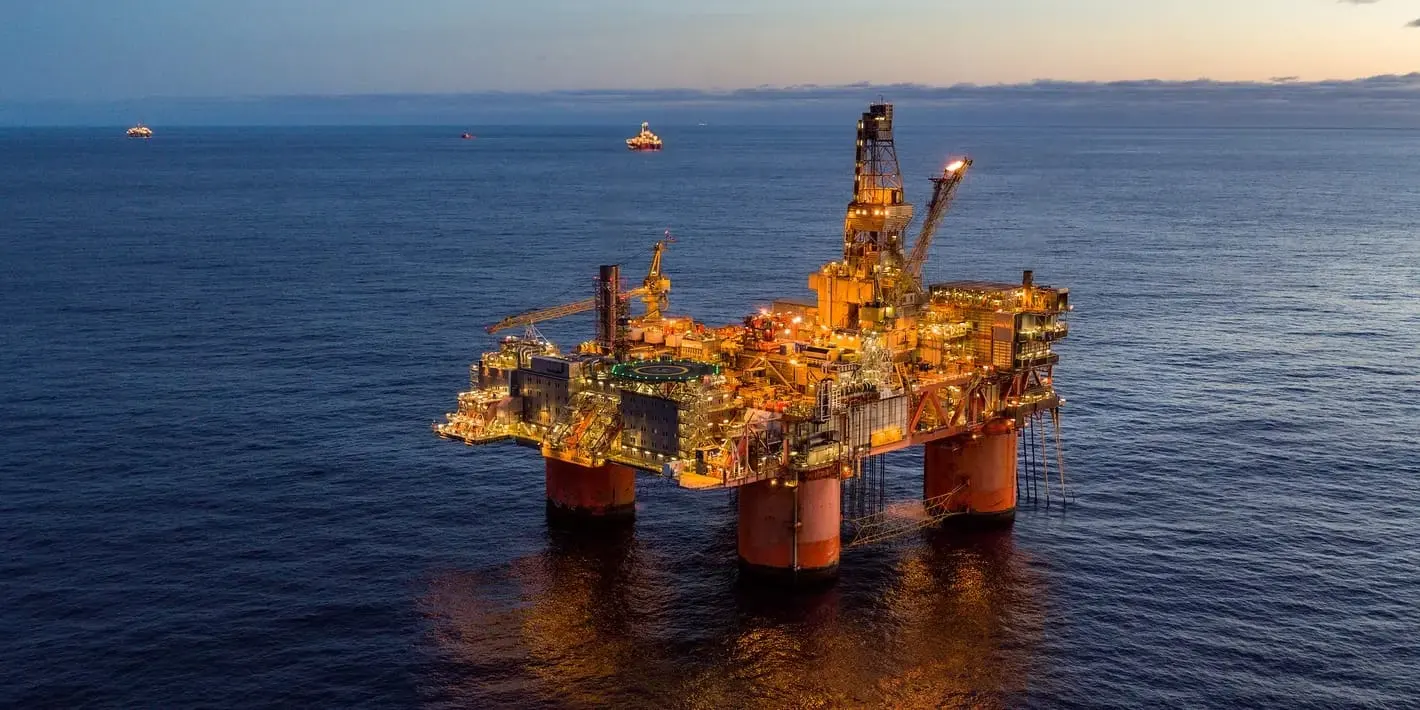
The President of the United States, Donald Trump, urged the United Kingdom to increase oil and gas production in the North Sea to address the energy crisis facing Europe and reduce the impact of the war between the United States and Iran on consumers
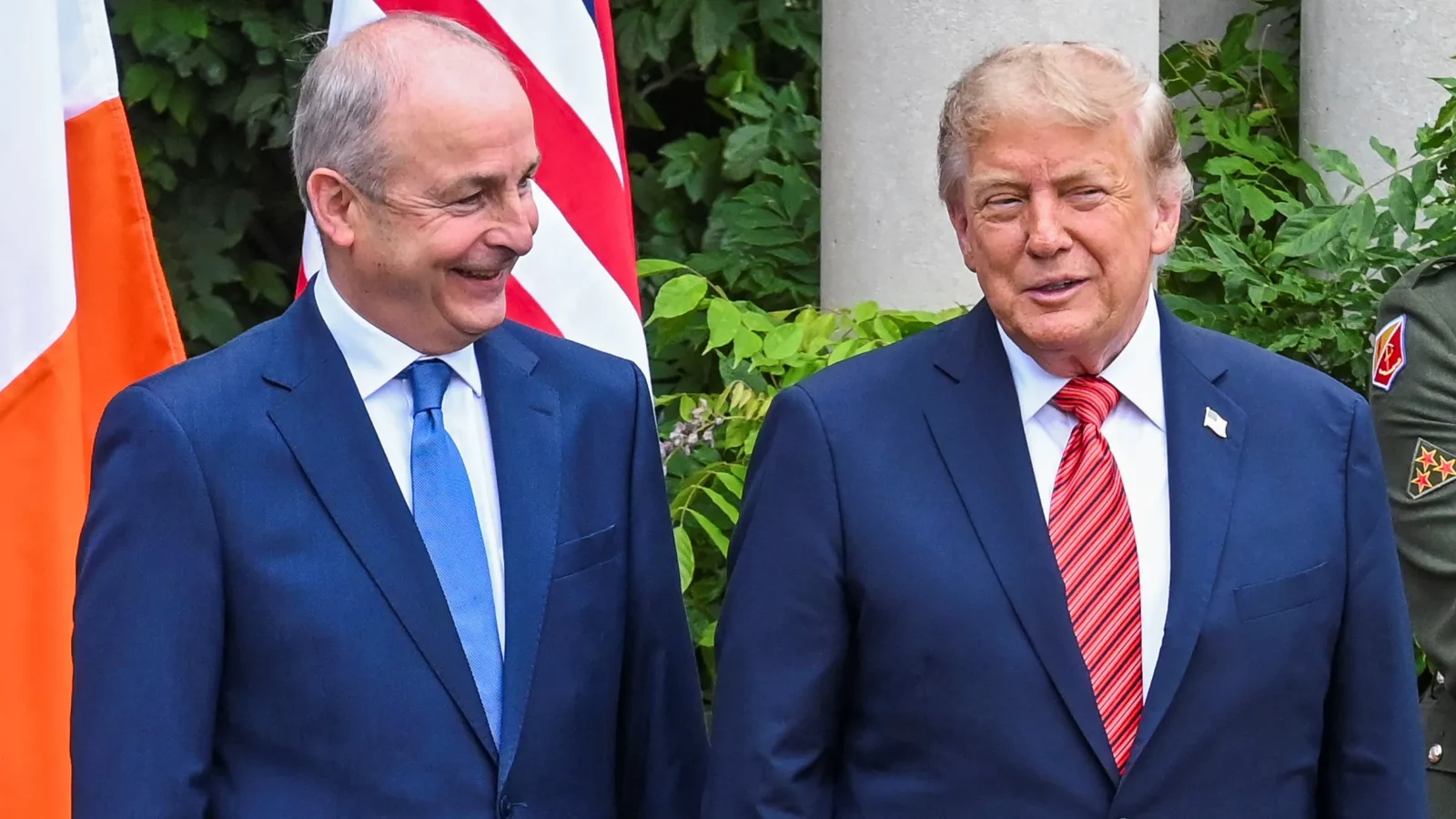
During his visit to Dublin, Trump stated that greater exploitation of British energy resources would allow for increased fuel supply and significantly lower heating oil prices. The president presented the development of the North Sea as a strategic alternative to the volatility caused by tensions in the Middle East and difficulties in major international supply routes.
''If the United Kingdom opens the North Sea, your prices will collapse,'' Trump said to reporters after meeting with Irish officials. The U.S. president insisted that this maritime area constitutes one of the most valuable deposits in the world and questioned why London has not yet allowed broader exploitation of its reserves.
President Donald Trump urged the United Kingdom to open hydrocarbon production in the North Sea to reduce gas and oil prices
Trump's proposal is particularly relevant amid rising energy costs in Europe. In Ireland, the price of heating oil has increased by approximately 40% since the start of the war between the United States and Iran, according to data cited during the presidential visit.
For Trump, increasing energy production in the territories of Western countries would allow for reducing dependence on external suppliers and providing greater protection against conflicts that may disrupt international supply chains. His argument is part of a policy that prioritizes the utilization of national resources as a tool to strengthen energy security.
The U.S. president has repeatedly pressured the United Kingdom to take advantage of North Sea reserves. His stance also aligns with his advocacy for greater hydrocarbon production in the United States, with the aim of increasing supply and containing prices for households and businesses.
The price of fuels has seen a notable increase since the beginning of the war between the United States and the Iranian regime
The situation has become more urgent due to the war in the Middle East and the ongoing blockade of the Strait of Hormuz, one of the main maritime routes used to transport oil and other energy products. Any prolonged disruption in that area can create additional pressures on international markets and raise costs for countries that depend on imports.
The European market already reflects some of those tensions. The price of Brent crude, the international benchmark for Europe and historically linked to North Sea production, closed on Friday at $104.61, after surpassing $109 during the week. The value reached levels not seen since mid-May.
Trump believes that increased British production could help expand the available supply in Europe precisely when the market faces greater geopolitical risks. From his perspective, increasing oil and gas extraction in a producing region close to European consumers would help limit exposure to disruptions caused by international conflicts.
The ''Brent'' oil barrel has closed the week at USD 104.61 after nearing USD 109
During his visit, the president also revealed that the Houthis from Yemen, allies of Iran and influential over a strategic area for maritime transport between Europe and Asia, contacted Washington to request that the United States not intervene against them.
''The Houthis called us and do not want to fight against us'', Trump stated, in a declaration made while his administration maintains a pressure stance on Iran and its regional allies.
Meanwhile, the British government is expected to advance with a gas exploration project known as ''Jackdaw'', near Aberdeen, Scotland. The project would represent a shift from the restrictions applied to new hydrocarbon developments in recent years and could open the door to greater energy activity in the North Sea.
The U.S. president assured that the Houthis from Yemen contacted Washington to ask that the United States not intervene against them