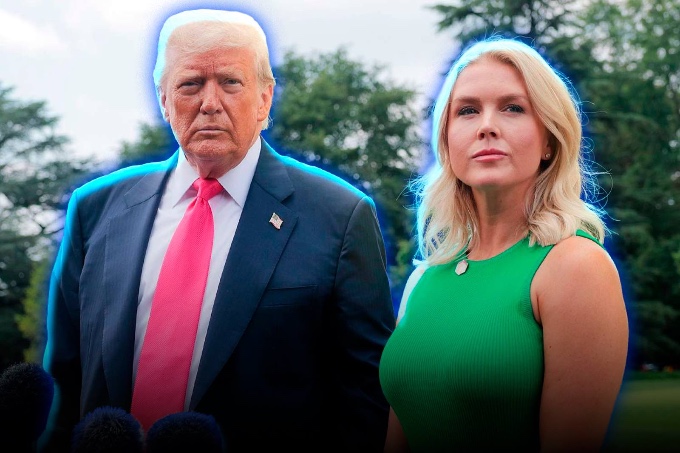
The departure of Karoline Leavitt from the White House not only marks the end of one of the most recognizable figures of Donald Trump's second administration, but it also closes a chapter that transformed the relationship between the U.S. government and the media, with an unprecedented openness towards independent journalists, new platforms, and projects that had long been excluded from the traditional circuit.
From her first press conference as Press Secretary on January 29, 2025, Leavitt made it clear that the White House would change the rules. The spokesperson announced that the administration would begin accepting accreditation requests from independent journalists, podcasters, influencers, and content creators, in addition to creating a specific seat for so-called “new media” within the press room. She also reported that they would work to restore the credentials of 440 journalists who had been revoked during Joe Biden's administration.
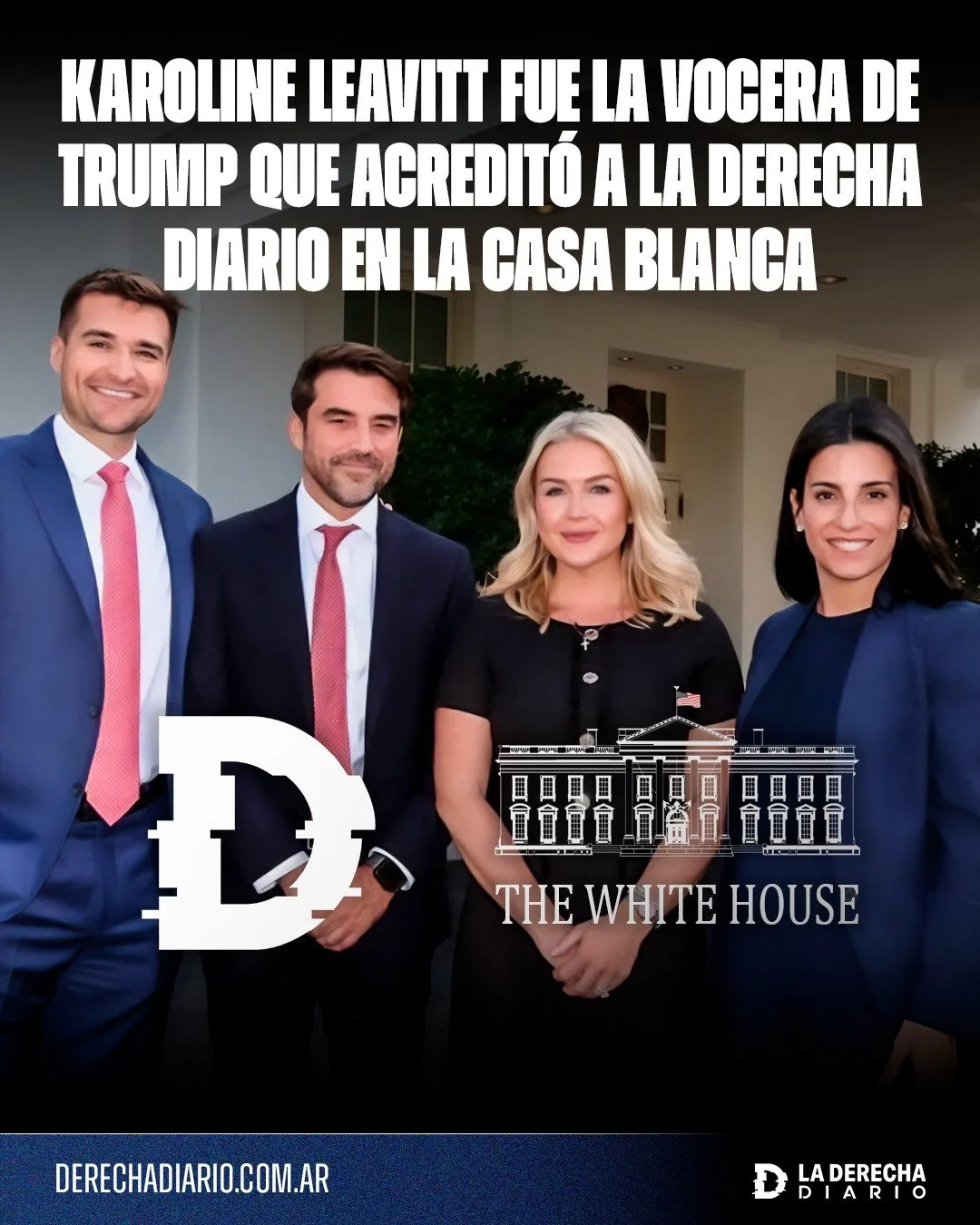
Leavitt was Trump's spokesperson who accredited La Derecha Diario.
Leavitt herself explained at that time that millions of Americans, especially young people, had stopped relying exclusively on television and traditional newspapers for information and were migrating towards podcasts, blogs, social media, and independent media. For the Trump administration, the White House needed to adapt to this new ecosystem instead of continuing to reserve its most relevant spaces for large journalistic corporations.
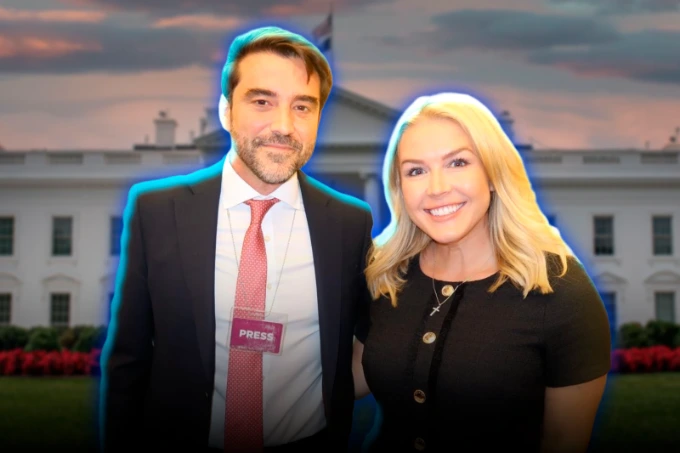
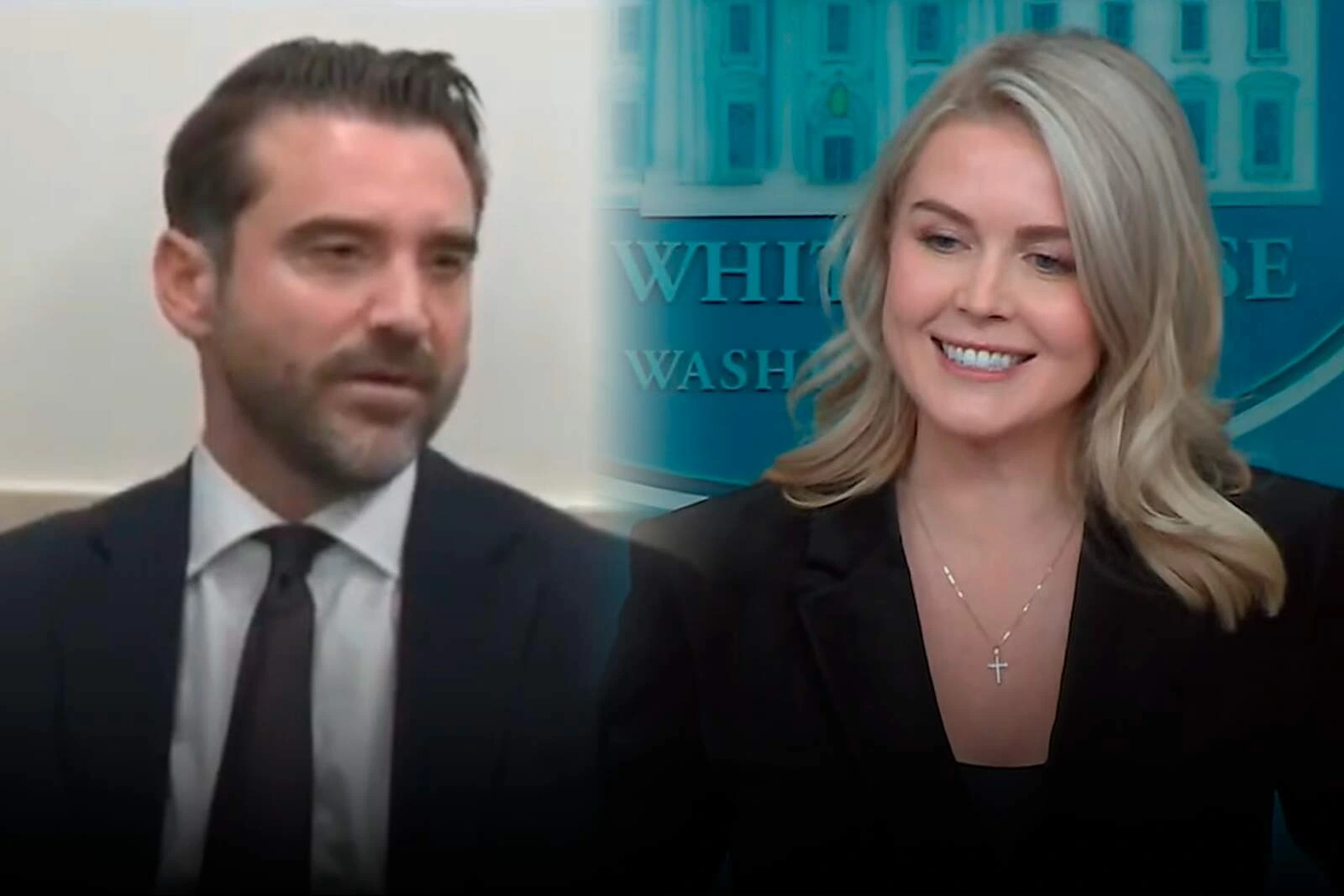
La Derecha Diario was one of the media outlets that managed to enter the White House under this new policy. In November 2025, its director, Javier Negre, participated in a conference led by Leavitt and was able to directly question the Press Secretary about the situation of murdered journalists in Mexico, Claudia Sheinbaum's policies, and the fight against cartels.
Javier Negre had the privilege of asking multiple questions to the spokesperson.
During that intervention, Leavitt publicly highlighted the inclusion of new voices in the press room and celebrated that independent media began to participate in presidential conferences. For LDD, it meant gaining direct access to the political heart of Washington within the openness promoted by a spokesperson who decided to challenge the information monopoly of large U.S. media.
This change was accompanied by a constant confrontation with the so-called legacy media. In her debut, Leavitt stated that her team would not tolerate false information about Trump or his family and that she would publicly call out media outlets when she believed they were spreading incorrect data or disinformation.
At just 27 years old upon taking office, Leavitt became the youngest Press Secretary in U.S. history. Now, at 28, she will leave the position at the end of August to spend more time with her two children, although she will remain close to the president as one of his main external advisors.