The agency confirmed three missions for 2026 and new vehicles that will operate on the lunar surface.
Nuevo
Agregar La Derecha Diario en
Compartir:
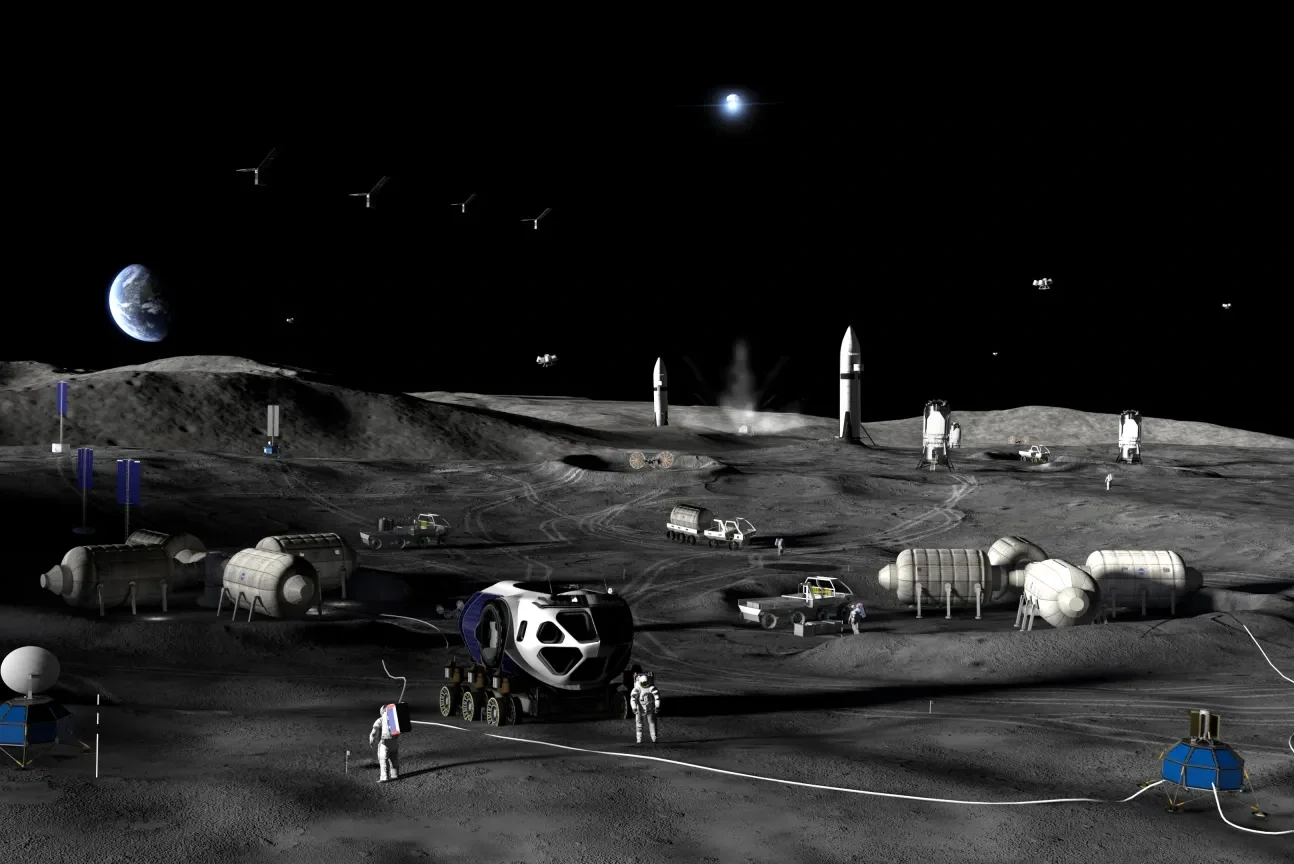
The NASA has taken a new step in its ambitious Moon Base project, an initiative aimed at establishing the first permanent human presence on the Moon. The space agency presented new updates on the program and confirmed a series of missions that will mark the beginning of the construction of the future lunar base at the Moon's south pole.
The plan envisions astronauts living and working sustainably outside of Earth, using infrastructure specially designed to withstand the extreme conditions of the lunar environment. To achieve this goal, NASA will begin deploying the necessary transportation, exploration, and logistics systems over the next few years to support future crewed operations.
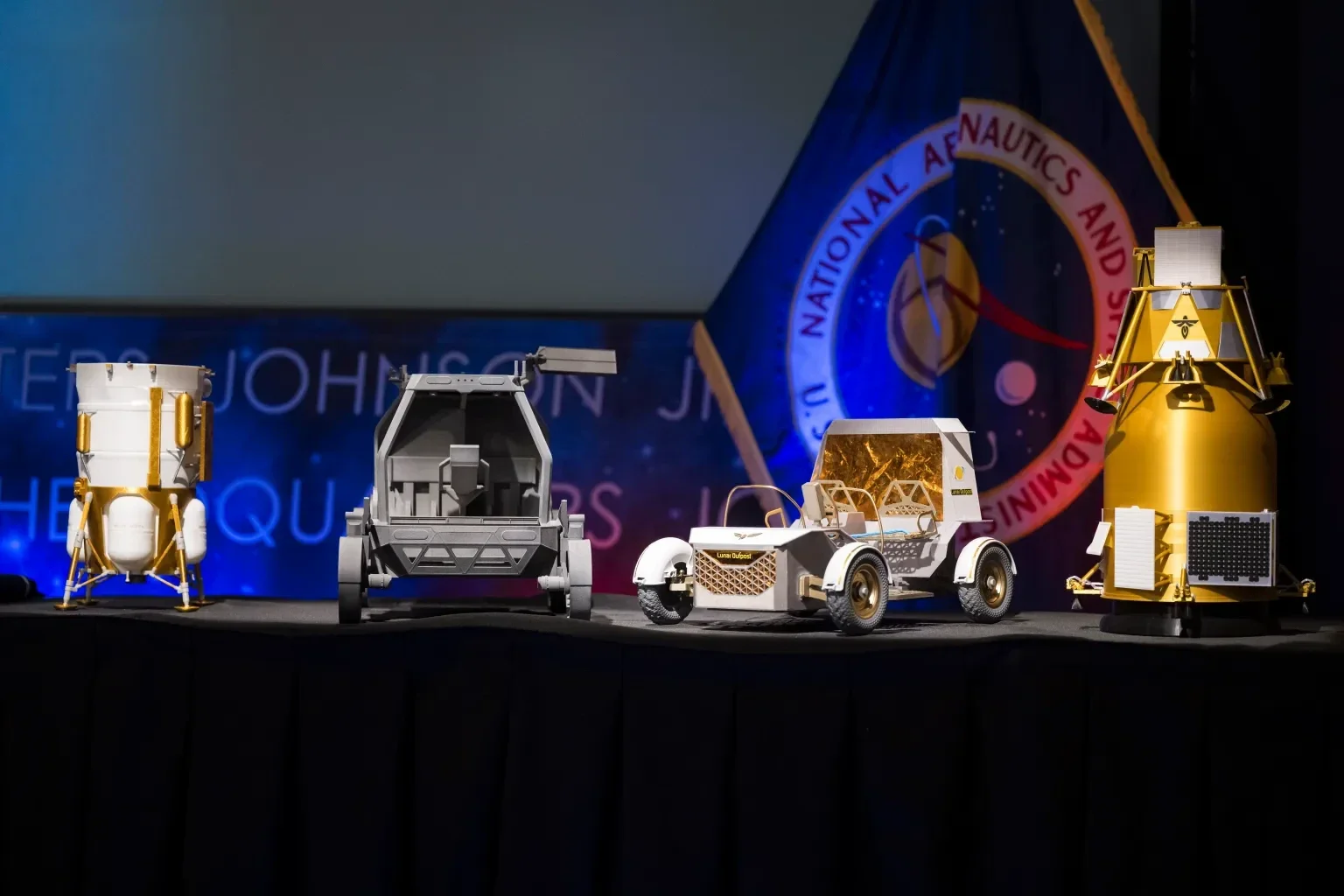
Some of the models presented on May 26.
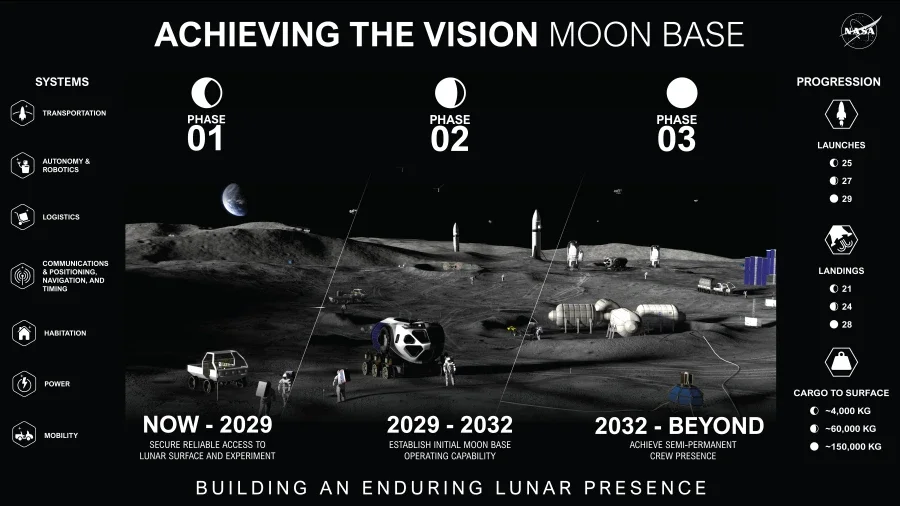
The first stage of the project will begin at the end of 2026 with the launch of three initial missions aimed at transporting scientific cargo and equipment to the Moon's south pole. The inaugural mission will be led by Blue Origin, which will send a landing module to validate critical technologies and transport scientific instruments to one of the regions considered most promising for the future establishment of the base.
These operations are part of a much broader strategy that anticipates dozens of launches and landings over the next decade. The goal is to progressively build the necessary infrastructure to ensure a stable human presence, including energy systems, communications, resource storage, and exploration vehicles.
One of the central aspects of the program is mobility on the lunar surface. To this end, NASA has awarded contracts to private companies to develop the vehicles that will operate in the Moon Base environment. The company Lunar Outpost will be responsible for the autonomous rover Pegasus, designed to cover large distances and transport equipment without the need for constant astronaut intervention.
Meanwhile, AstroLab is working on a crewed vehicle that will begin operations in 2028. This system will allow for the transport of supplies, tools, and future crews around the base, significantly expanding the radius of exploration and work on the lunar surface.
The phases of the Moon Base program.
Scientists believe the south pole region could harbor ice reserves in permanently shadowed areas, a key resource for producing water, oxygen, and fuel for future space missions. The availability of these resources would be essential to sustain permanent settlements and reduce dependence on supplies sent from Earth.
With Moon Base, NASA aims to transform lunar exploration into a continuous presence and make the Moon the first stepping stone for future human missions to Mars and other deep space destinations. The confirmation of these new missions represents one of the most significant advancements of the program since its launch and brings the possibility of a permanent human colony outside of Earth a little closer.