The negotiations between the United States and Iran to reach an agreement that would end the conflict that began on February 28 are progressing amid an unprecedented situation: the Iranian terrorist supreme leader, Mojtaba Jamenei, remains hidden and only communicates through a secret network of messengers, according to counter-terrorism experts and officials cited by U.S. media.
The complex dynamic was exposed after U.S. Secretary of State Marco Rubio publicly acknowledged that Tehran's responses are taking longer than usual due to internal difficulties in the Iranian regime's communication chain.
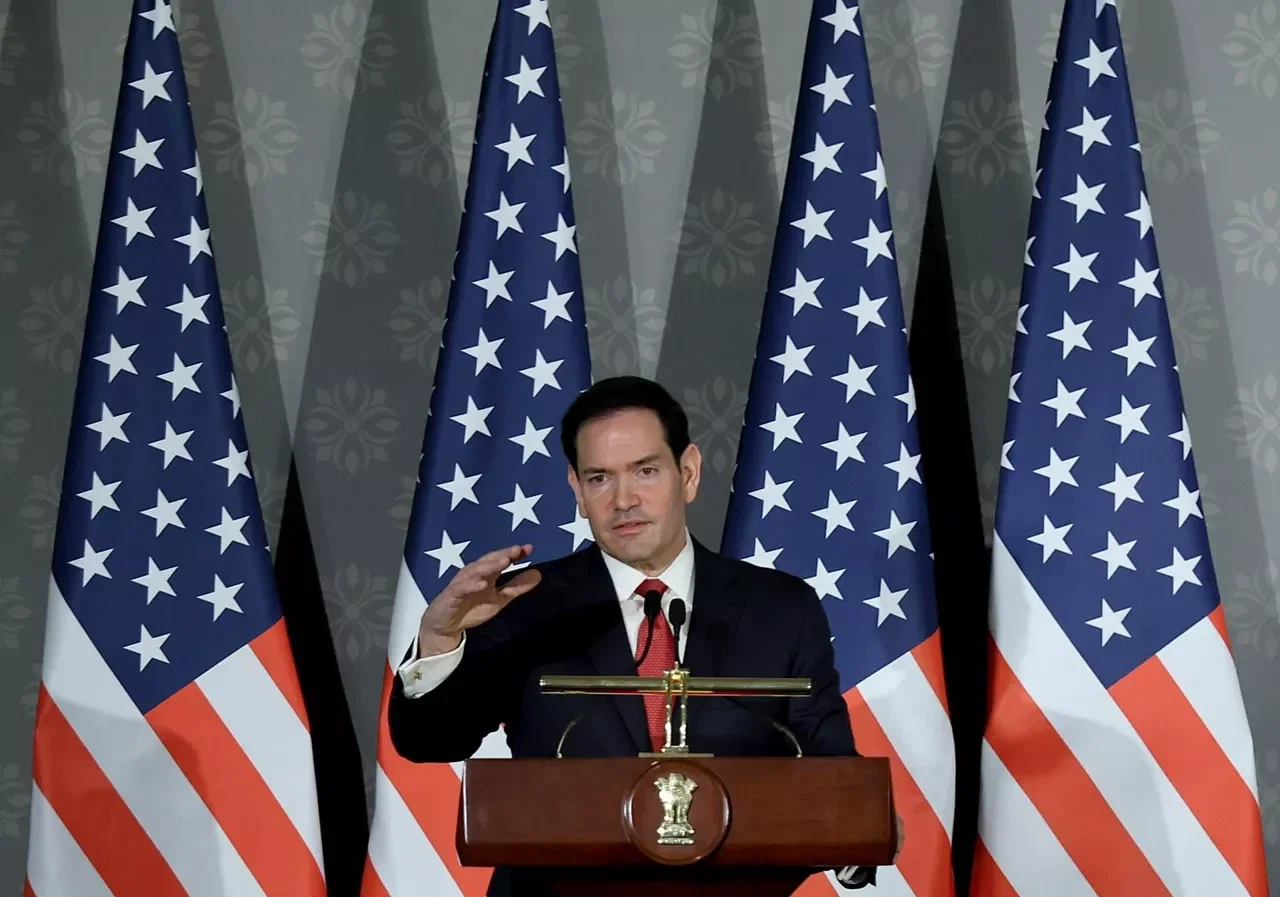
''When it comes to some of these issues, you have to wait for a response, and it takes the Iranians a little longer to reply,'' Rubio stated during a press conference in India. His words were interpreted by specialists as an indirect confirmation that the Iranian leadership is currently operating under strict measures of secrecy.
The Secretary of State, Marco Rubio, assured that the responses from the Iranian regime are taking longer than usual.
According to several experts, even high-ranking officials in the regime may be unaware of Jamenei's exact whereabouts, which causes ongoing delays and complicates any conventional diplomatic negotiations. Some analysts argued that every piece of information that reaches the Iranian leader is outdated and that responses also take time to return through the clandestine communication network.
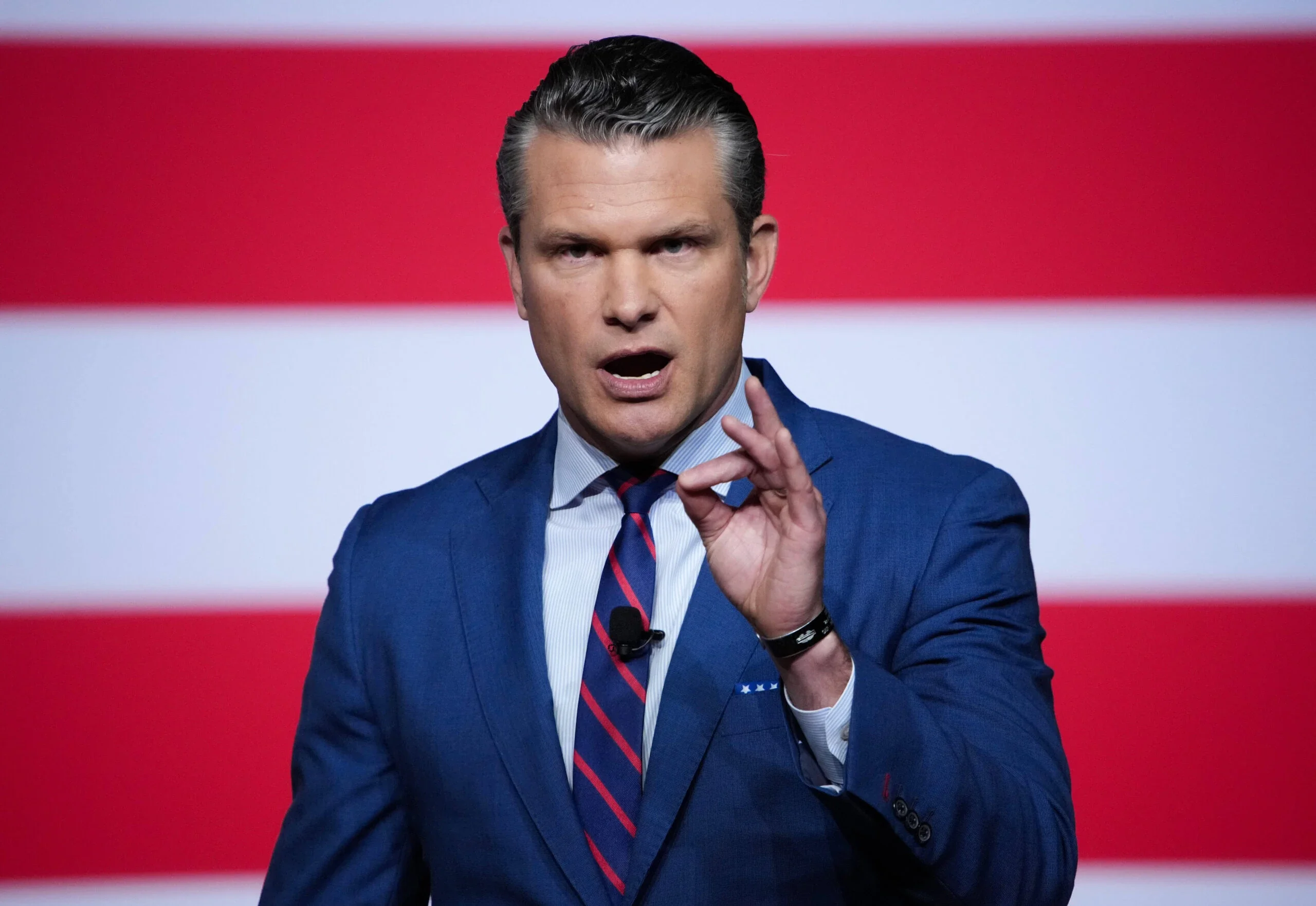
The Iranian leader has remained hidden since late February, when a military attack killed his father and left Jamenei himself seriously injured, according to reports cited by U.S. officials. The U.S. Secretary of War, Pete Hegseth, stated that the Iranian leader was ''injured and likely disfigured'' during the military operation known as ''Epic Fury.'' In the same attack, his wife and one of his children were also reportedly killed.
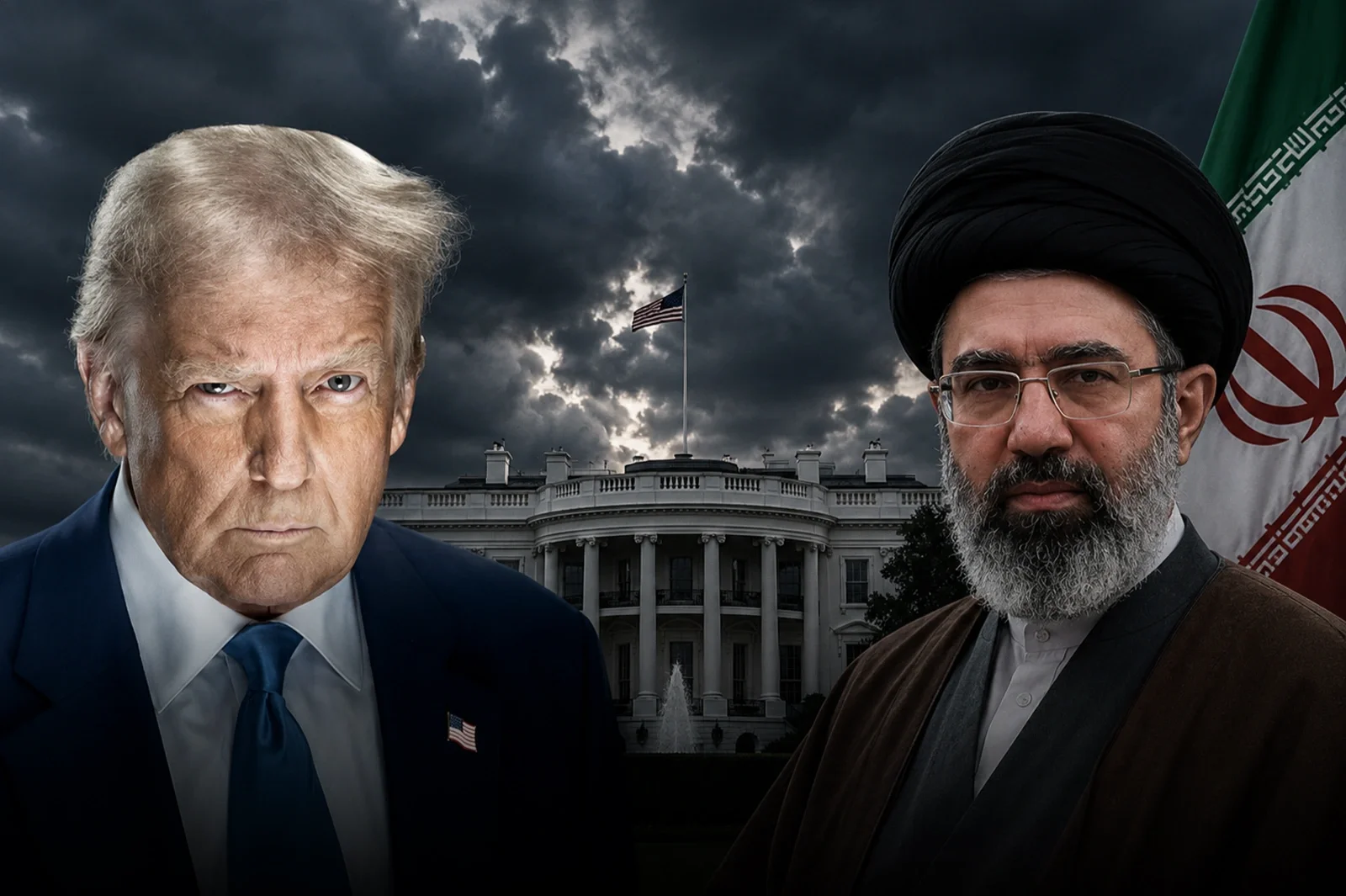
The situation reflects the growing isolation of the Iranian regime and the military, economic, and diplomatic pressure exerted by the administration of Donald Trump, which maintains a policy of maximum firmness towards Tehran. From Washington, they believe that the internal weakening of the Iranian leadership demonstrates the effectiveness of the strategy promoted by Trump to force concessions on nuclear and regional security issues.
The U.S. Secretary of War highlighted that Jamenei was seriously injured during the initial attacks against strategic targets in Tehran.
Despite the difficulties, both countries continue to negotiate a possible agreement that would reduce tensions and end the conflict. U.S. officials indicated that the White House is willing to relax certain economic sanctions if Iran accepts significant restrictions on uranium enrichment and offers verifiable guarantees regarding its nuclear program.
One of the main points of discussion also involves the unblocking of Iranian assets frozen abroad, as well as possible mechanisms to stabilize the situation in the Middle East, including the Lebanese front and maritime security in the Strait of Hormuz.
However, from Tehran, they attempted to temper expectations regarding an immediate understanding. The spokesperson for the Iranian Foreign Ministry, Esmaeil Baghaei, stated that there is still no definitive agreement with the United States, although he acknowledged progress towards a possible framework of understanding.
The Jamenei regime stated that a final agreement with the United States has not yet been reached and that it does not include the administration of the Strait of Hormuz.
Baghaei noted that the discussions remain focused on ending the conflict ''on all fronts,'' including Lebanon, although he clarified that a potential memorandum still does not include specific details regarding the administration of the Strait of Hormuz, one of the world's most strategic maritime routes for energy trade.
As negotiations continue, international security experts warn that the real challenge for Washington will not only be signing an agreement but ensuring its compliance by a regime whose top leader remains hidden and isolated.