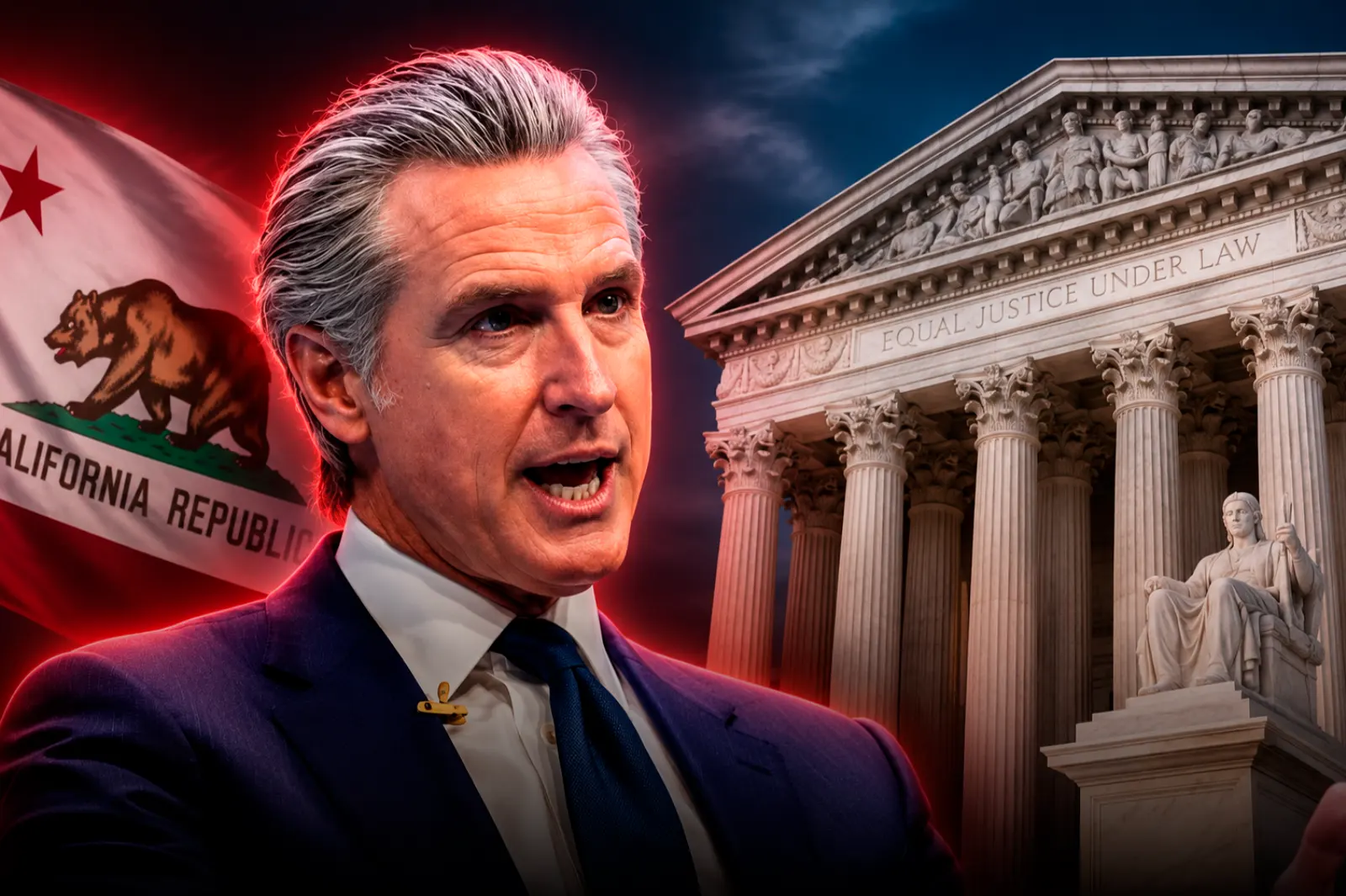

The Supreme Court questioned California for imposing ideological bias courses on doctors

The Supreme Court questioned California for imposing ideological bias courses on doctors

Thomas and Alito warned that California cannot impose ideological content on doctors without violating the freedom of speech protected by the First Amendment

Share:

Two of the most experienced conservative justices on the United States Supreme Court, Clarence Thomas and Samuel Alito, harshly questioned on Monday a California regulation that forces doctors to complete training on ''implicit bias'' to renew their professional licenses. In a strong nine-page dissent, both justices warned that the requirement poses a threat to freedom of speech and could become a mechanism for government censorship.

The justices' intervention came after the Supreme Court refused to review an appeal against a decision by a lower court that had determined that the California requirement could not be challenged on free speech grounds. Although the majority decided not to intervene, Thomas and Alito made clear their disagreement with that reasoning and defended the need to protect the constitutional rights of professionals against the ideological impositions of the State.

''A state cannot regulate to escape scrutiny under the First Amendment,'' the justices wrote in their dissent. They also warned that the doctrine of government speech should not be used as ''a cover for censorship'' nor as a tool to impose expressions or positions that citizens do not wish to adopt.
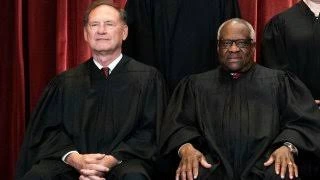
Conservative judges of the U.S. Supreme Court strongly criticized California for imposing ideologically biased training on state doctors

Training on ''implicit bias'' aims to educate professionals about biases they may hold, particularly regarding race and gender. California requires doctors to complete this type of training as part of the continuing medical education (CME) requirements necessary to maintain their professional licenses.

However, the case raises a fundamental constitutional question: how far can the government go in establishing mandatory content in professional training without violating free speech guarantees.

Thomas and Alito specifically criticized the reasoning of the Ninth Circuit Court of Appeals, based in San Francisco, which had concluded that the state regulation turned the content of continuing medical education courses into government speech, rather than considering it private expression.
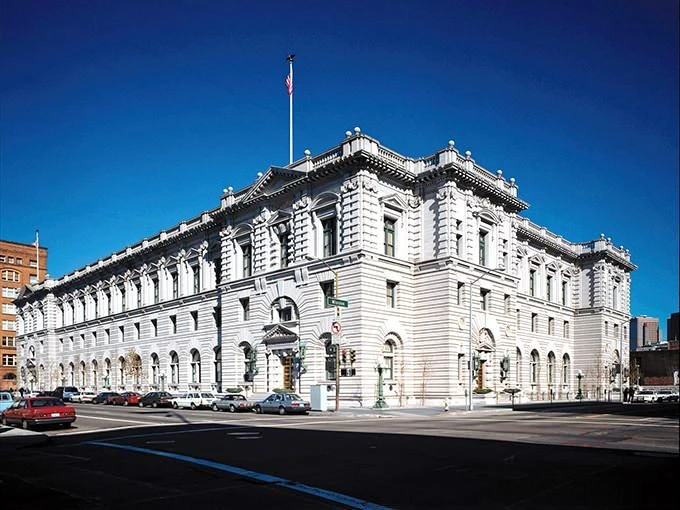
Ninth Circuit Court of Appeals

According to the two justices, that interpretation contradicts the precedents of the Supreme Court itself and represents a misunderstanding of the Constitution.

''The protections of the First Amendment do not simply disappear because a state heavily regulates speech,'' they noted. Their argument points out that authorities cannot evade constitutional restrictions by incorporating mandatory content into professional programs subject to state regulation.
The appeal was filed by Azadeh Khatibi, a licensed ophthalmologist in Los Angeles who also teaches continuing medical education courses, along with Do No Harm, an organization that questions diversity, equity, and inclusion (DEI) policies in the medical field.

The group and the professional sought for the highest court to examine whether California could impose such content without violating the constitutional rights of doctors. Their argument raises the issue of the difference between requiring legitimate professional training and forcing workers to receive ideological instruction as a condition for continuing to practice their profession.

The administration of Democrat Gavin Newsom has imposed progressive training programs in several sectors of the state of California

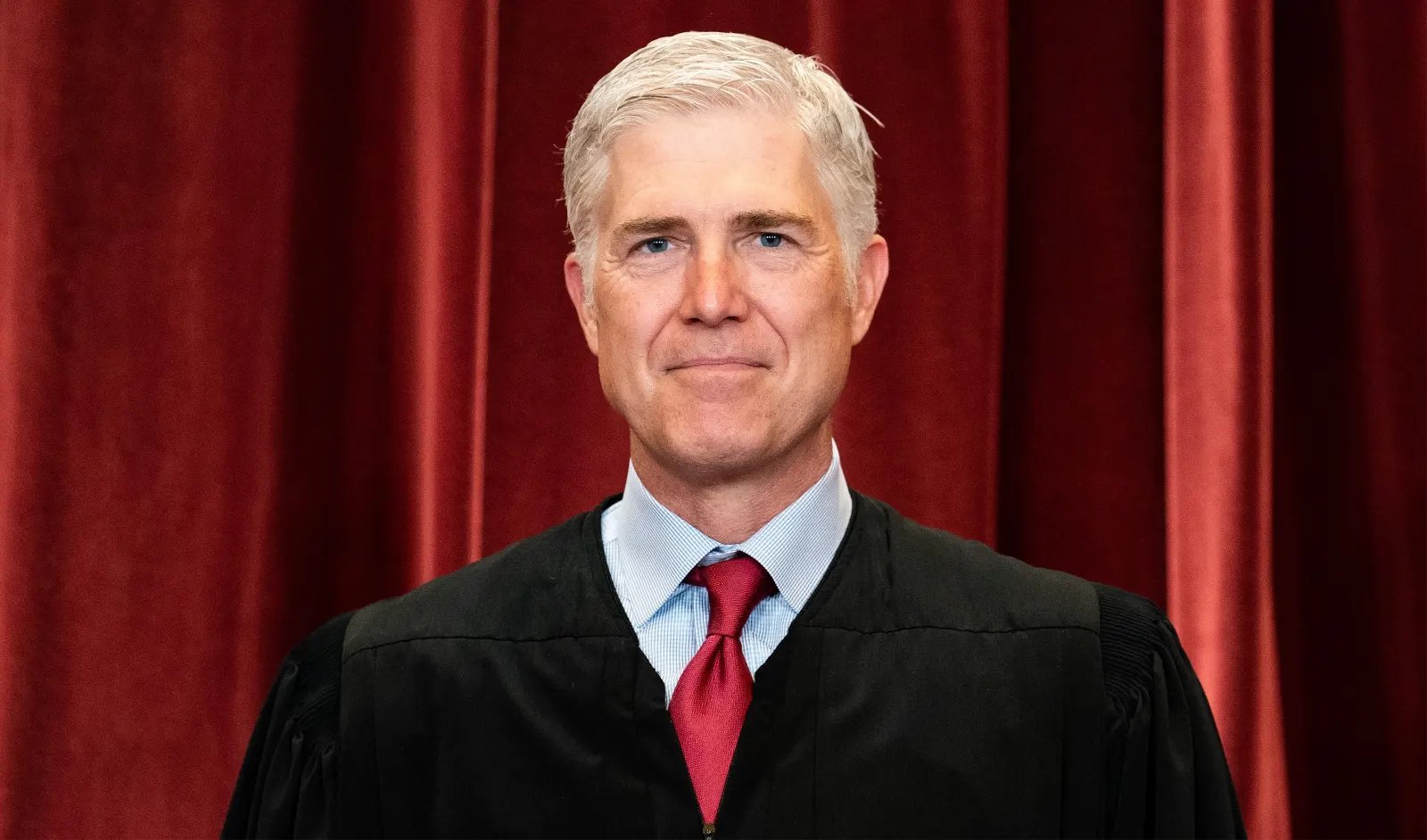
Justice Neil Gorsuch, another member of the court's conservative wing, did not join the dissent of Thomas and Alito but noted that he would have voted in favor of accepting the petition to review the case. His position indicates that, although the majority decided to uphold the results of the lower courts, there was additional concern among the conservative justices about the constitutional implications of the measure.

The episode also recalls another controversy related to freedom of speech that reached the highest court in 2024, when the Court rejected a lawsuit against the administration of then-President Joe Biden for allegedly pressuring large tech companies to restrict posts on social media.

In the case ''Murthy v. Missouri'', the justices ruled six votes to three that the attorneys general of Missouri and Louisiana did not have standing to present allegations that federal officials had improperly collaborated with tech companies to censor posts about the COVID-19 pandemic.

Alito dissented at that time, joined by Thomas and Gorsuch. On that occasion, he warned that the majority ''might come to regret'' their decision.

Judge Neil Gorsuch did not agree with the opinion of Clarence Thomas and Samuel Alito