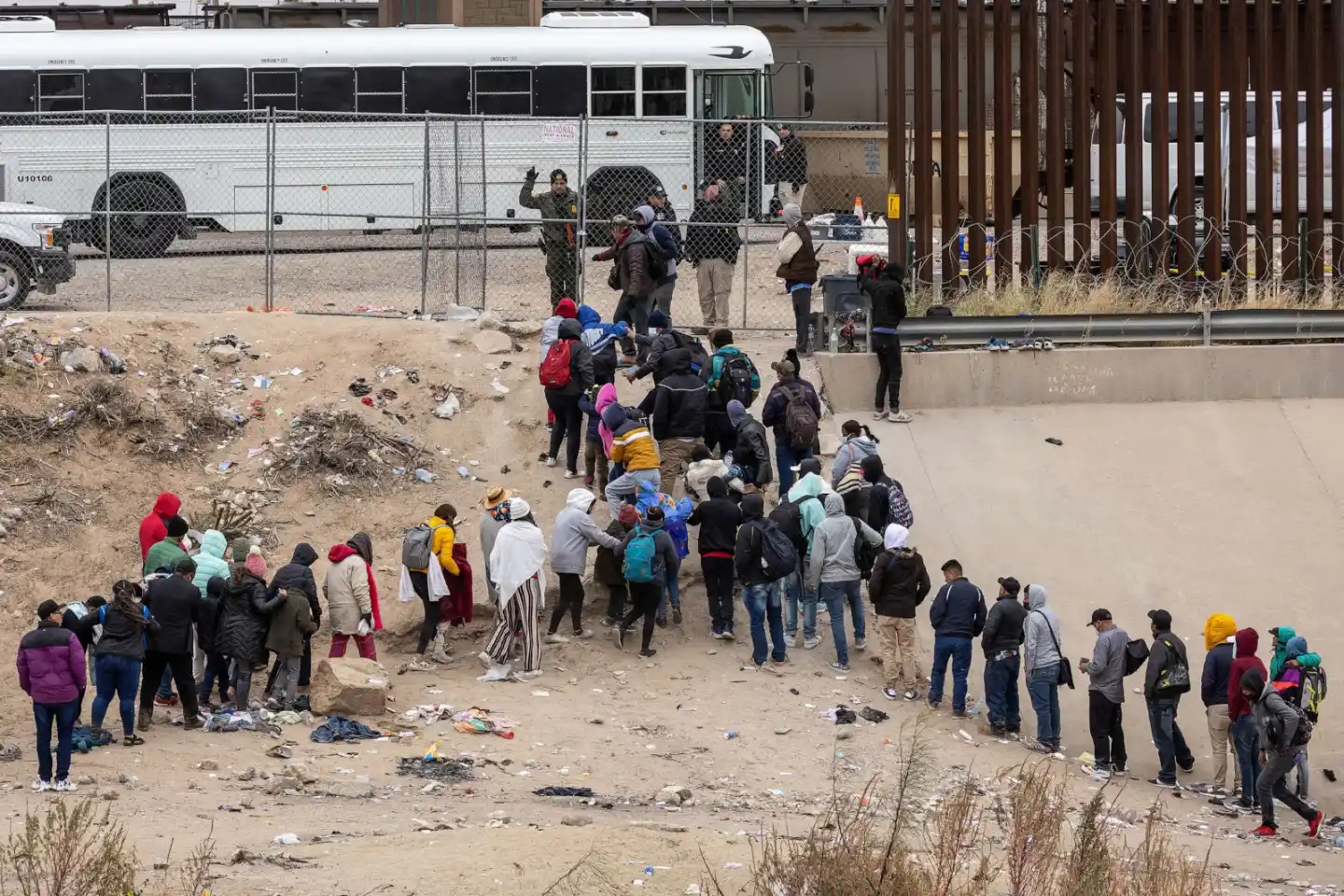
Official data confirms that net international migration saw considerable growth in Texas during that period. According to estimates from the U.S. Census, the international migration balance went from 43,481 people in 2021 to 198,371 in 2022, 251,690 in 2023, and 354,864 in 2024. In 2025, it decreased to 167,475.
The electoral issue constitutes another dimension of the debate. Republicans have warned about the political consequences of demographic changes and the growing weight of the Hispanic electorate, a segment that has historically supported Democrats in greater proportion in presidential elections.
Texas has experienced a significant growth in its irregular immigrant population in recent years, during a period that spans much of the presidency of Joe Biden. A study on the demographic evolution of the state estimates that the arrival of immigrants between 2020 and 2026 would reach 2,853,200, with a particularly marked concentration in the regions of Houston, Dallas-Fort Worth, and the border with Mexico.
The phenomenon again places the consequences of Democratic immigration policies at the center of the debate, both for border security and for the demographic composition and political future of the state.
The graph shows that the Gulf Coast region, which includes Houston, The Woodlands, and Sugar Land, records the highest estimated increase, with 895,400 new international illegal residents. This is followed by the Dallas-Fort Worth-Arlington metropolitan area, with 765,100. Other areas with notable increases are San Antonio and New Braunfels, with 285,500, and the border region of Hidalgo and Cameron, with 245,700.
El Paso also appears, with 180,300, and the central area of Austin, Round Rock, and Georgetown, with 195,200. The distribution reflects how immigration has transformed different regions of the state, with effects on public services, the labor market, housing, and infrastructure.
The study identifies Mexico as the main country of origin for newcomers, followed by El Salvador, Honduras, and Venezuela. Among the main economic activities that absorb this labor force are construction, healthcare, and services.
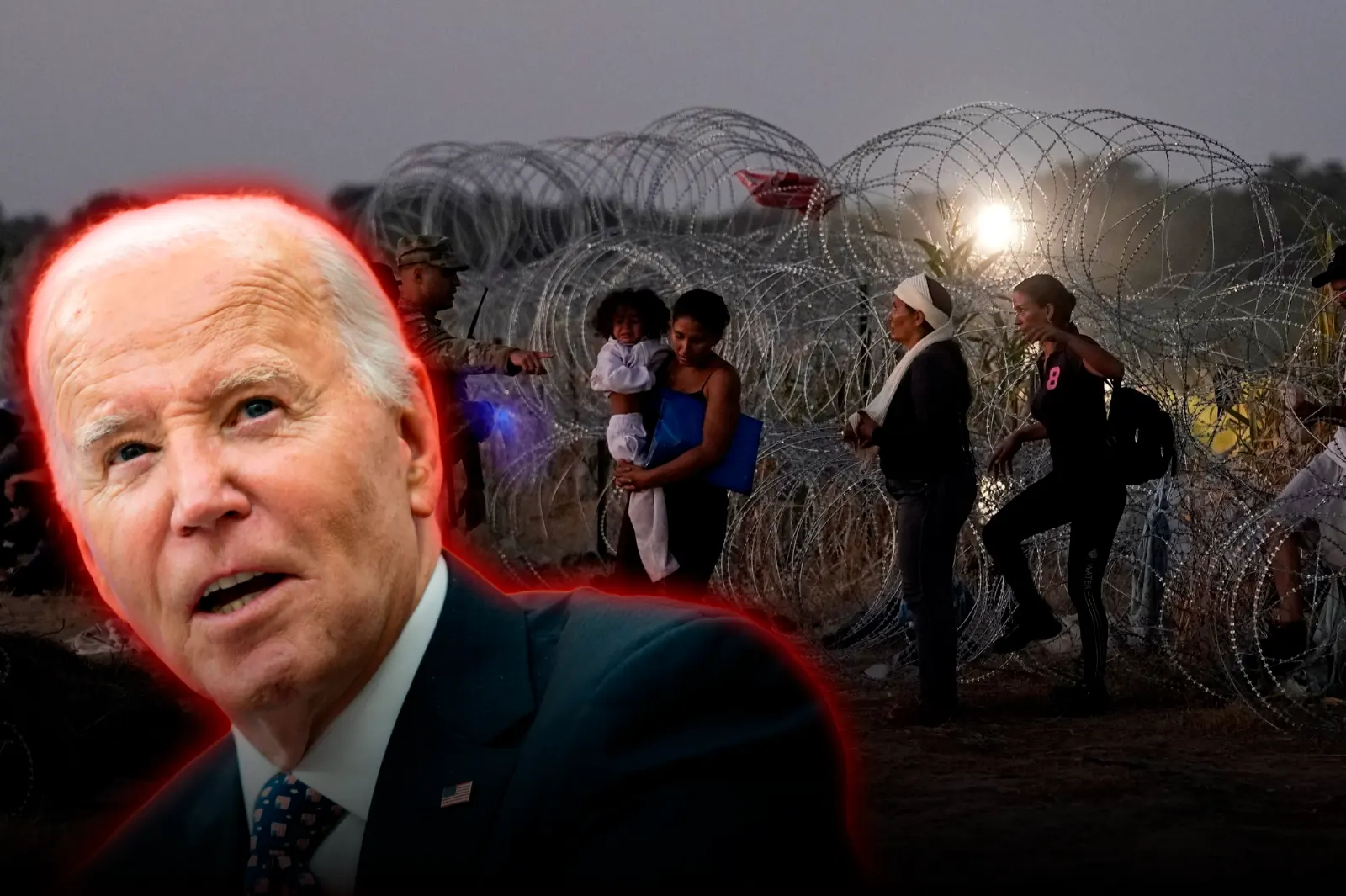
During the Democratic administration of Joe Biden, a large flow of illegal immigrants modified the electoral map of the state of Texas
Biden's Immigration Legacy and Its Consequences for Texas
The migratory growth occurred in a context of strong controversies over the border policy of the Biden administration (2021-2025). During those years, Texas Republican authorities repeatedly denounced that federal decisions had hindered control of the southern border and increased pressure on border communities.
A study on the 2024 elections found that Latino voters had supported Joe Biden by 61% compared to 36% for Donald Trump in 2020. However, it also documented a more competitive scenario in 2024, with significant differences among various Hispanic voter groups, although those from Mexico, Honduras, and El Salvador still maintained a clear favoritism towards Democratic candidates.
The immigrants who entered the southern U.S. border come mainly from Mexico and El Salvador and are expected to provide Democrat Talarico with a solid electoral base.
The migratory expansion has raised questions about Texas's capacity to absorb population growth and finance necessary services, especially in areas that register higher concentrations of newcomers. It also fed Republican criticisms of Biden's disastrous border policies and the Democratic management of immigration.
For Republicans, the challenge is to respond to the economic, social, and security consequences of this growth, while Democrats highlight the contribution of immigrants to the workforce and economic development.