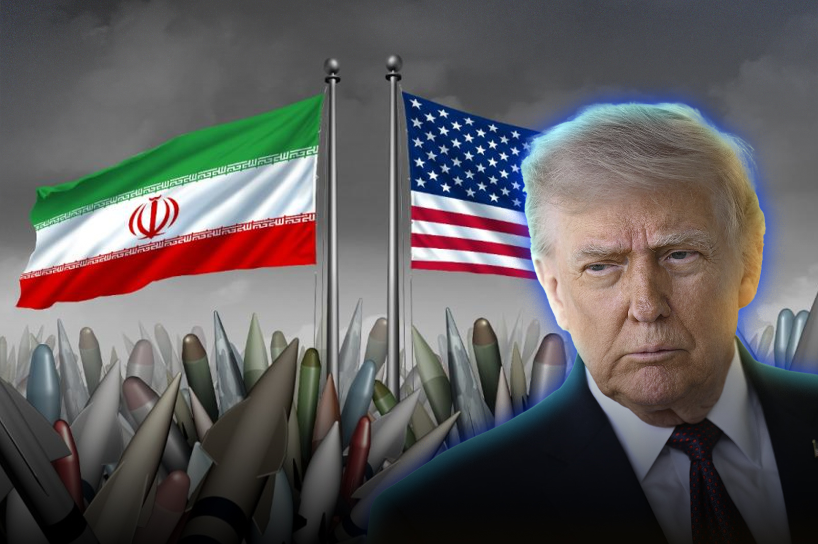
Oil prices recorded a sharp drop this Monday in the early trading of Asian markets, following a rise in international optimism due to diplomatic advances between the United States and Iran driven by U.S. President Donald Trump.
The possibility of reaching an understanding that allows for a reduction of tensions in the Middle East and progress towards the reopening of the strategic Strait of Hormuzprovoked an immediate positive reaction among energy and financial operators.
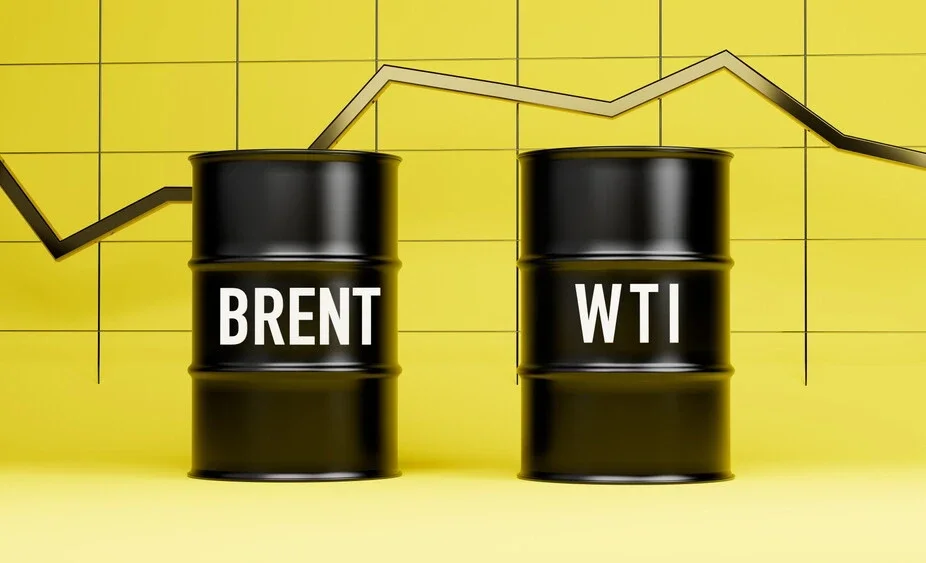
The North Sea Brent crude fell by more than 5% and was traded around 98 dollars, while the West Texas Intermediate (WTI), a benchmark for the U.S. market, dropped to approximately 91 dollars per barrel. Both contracts hit their lowest levels in nearly two weeks, reflecting the markets' sensitivity to any sign of geopolitical easing in one of the world's major energy-producing regions.
Brent and WTI barrels, which serve as the main indicators of oil prices worldwide, saw price declines of up to 5%.
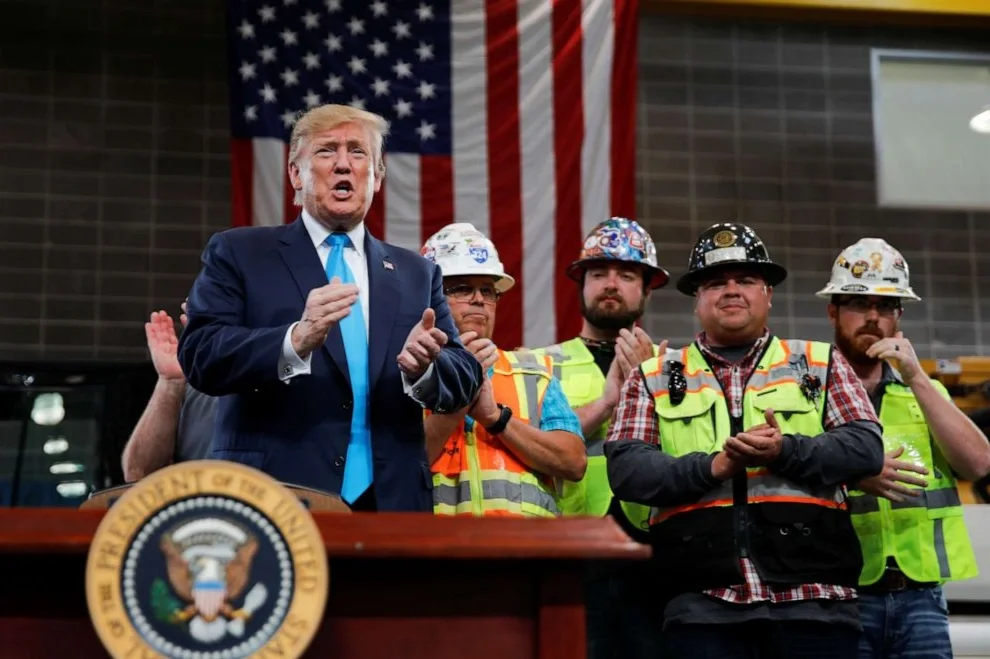
The drop in crude oil came after a series of statements from Trump over the weekend, in which he claimed that talks with Iran had advanced significantly and that the parties were close to reaching a preliminary memorandum of understanding.
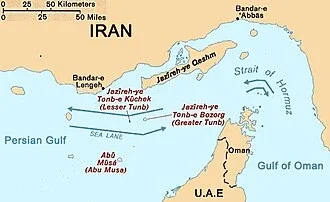
According to the president, the negotiations aim to establish conditions that allow for guaranteeing maritime security and facilitating the gradual reopening of the Strait of Hormuz, a route through which nearly one-fifth of the global supply of oil and liquefied natural gas passes.
''I have informed my representatives not to rush to reach an agreement, as time is on our side,'' Trump stated via social media. The message was interpreted as a signal of confidence and political control over a process considered key to stabilizing both the energy market and the global economy.
The diplomatic approach promoted by the White House was met with relief by investors and specialists, following several months marked by a significant escalation of tension in the Middle East. Since late February, a series of drone and missile attacks, along with cross-military reprisals in the region, had caused strong volatility in international oil prices and raised concerns about the security of global energy supply.
The President of the United States assured that the talks were in advanced stages and that the reopening of the Strait of Hormuz is an absolute priority.
The situation in the Strait of Hormuz became one of the main focal points of uncertainty for international markets. The restrictions imposed on commercial navigation forced numerous vessels to request special authorizations to cross the area or expose themselves to potential attacks. This situation affected logistics chains, raised energy costs, and increased fears of a global supply crisis.
In this context, Trump's strategy was valued as a determining factor to begin to ease the international scenario. Analysts highlighted that the U.S. president managed to combine diplomatic firmness with a willingness to negotiate, maintaining political pressure on Iran while opening a dialogue channel aimed at reaching a lasting solution.
The possibility of a gradual reopening of the Strait of Hormuz also generated expectations about a potential deceleration of inflationary pressures in various economies. A sustained drop in oil prices could positively impact transportation, production, and energy costs, central factors for importing countries still facing difficulties stemming from international volatility.
The Strait of Hormuz is one of the most important maritime passages for oil trade, as its potential reopening would provide significant relief to the supply chain.
However, specialists warned that significant differences still persist between both parties. Disagreements over maritime security issues, military restrictions, and strategic control of the Gulf continue to be relevant obstacles to a definitive agreement. Additionally, the energy infrastructure damaged during recent confrontations will require investments and time to fully recover its operational capacity.
Despite these difficulties, the mood in the markets showed a considerable improvement compared to previous weeks. Many operators believe that the mere fact of having resumed concrete negotiations already represents a significant advance against the risk of a larger military escalation.
As diplomatic talks continue, international markets will remain attentive to any announcements from Washington or Tehran. Each sign of progress could solidify new declines in oil prices and contribute to stabilizing global energy trade. In this framework, the process driven by Trump appears as one of the most relevant attempts in recent months to reduce tensions in the Middle East and regain predictability in the international economy.
From various Western governments, there have been great praises for the Trump administration regarding the preliminary agreement with Iran.