Maricopa, the largest county in the state of Arizona, suffered a hack during the 2020 elections where 633,000 voter registration files were leaked. The Biden Department of Justice and local prosecutors refused to investigate this matter, despite the FBI having located the suspect and obtained a guilty plea.
The hacker was tracked by the FBI and confessed to having written a computer code that exploited the security of Maricopa's electoral systems and extracted its files, which included "confidential voter information such as victims of domestic violence, judges, and law enforcement officers."
Biden's government prosecutors refused to prosecute the suspect on July 12, 2021, after the FBI recommended that charges be filed. The case was officially closed in 2023, according to official records released to the public today.
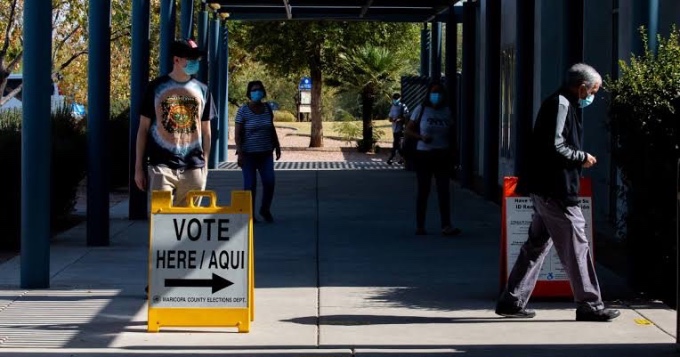
A security flaw exposed polling places in Arizona in 2020
Trump's accusation that is becoming increasingly relevant
Just one day before the elections on November 3, Maricopa County sent an alert through the Arizona Counterterrorism Intelligence Center to the FBI reporting "an attempt to extract voter registration information". The alert states that an unidentified intruder gained access to voter registration data on the registrar's website by using a "PowerShell script" that exploited a security flaw.
The suspect, who described himself to investigators as a mere "hacker or hobbyist," estimated having obtained between 1 and 2 million voter files due to a vulnerability he discovered in September 2020. He claimed that he did not work for anyone in particular and decided to keep his intrusion secret by wiping his hard drives and deleting the files from his Google account.
Although it does not appear that this incident altered the votes of the election, U.S. intelligence has warned since 2020 that malicious actors have been gaining access to this type of files and that, for example, China has about 220 million of these files, as President Trump reported on national television last month.
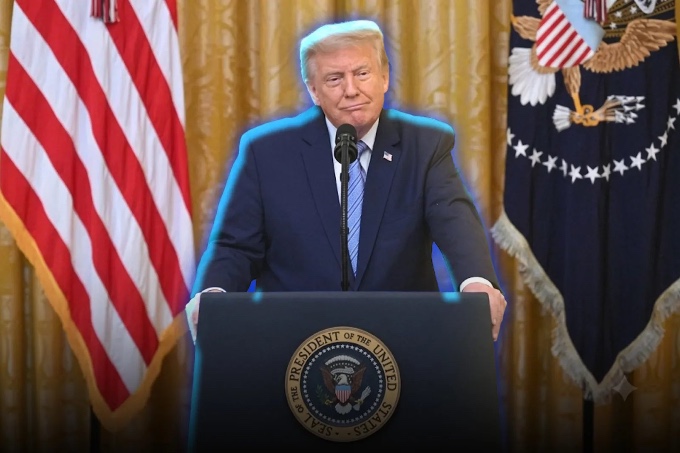
Trump gave a national address in June where he informed about the vulnerabilities of the U.S. electoral system