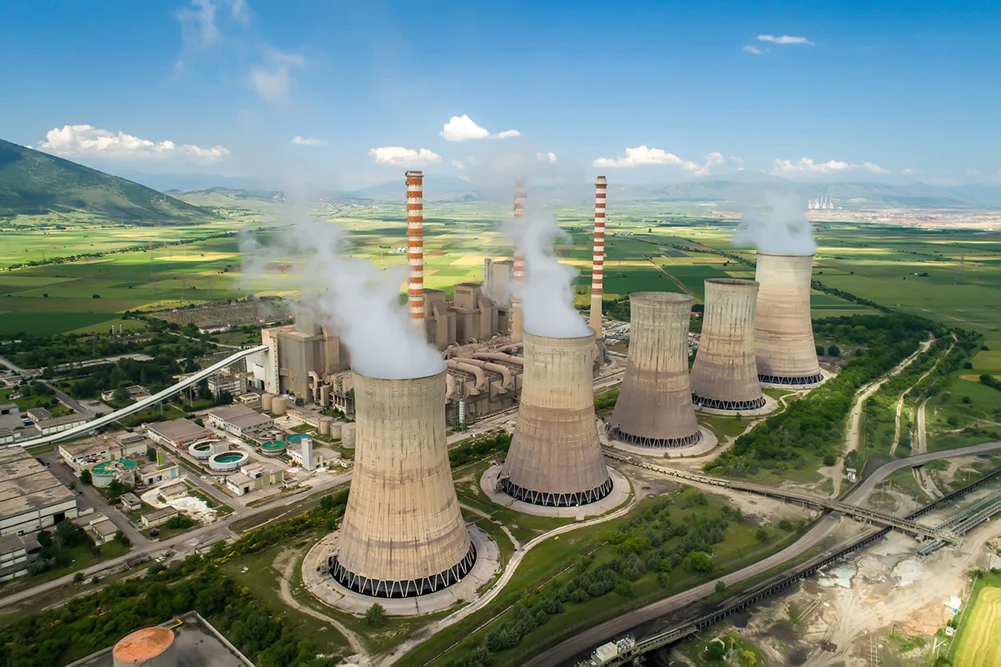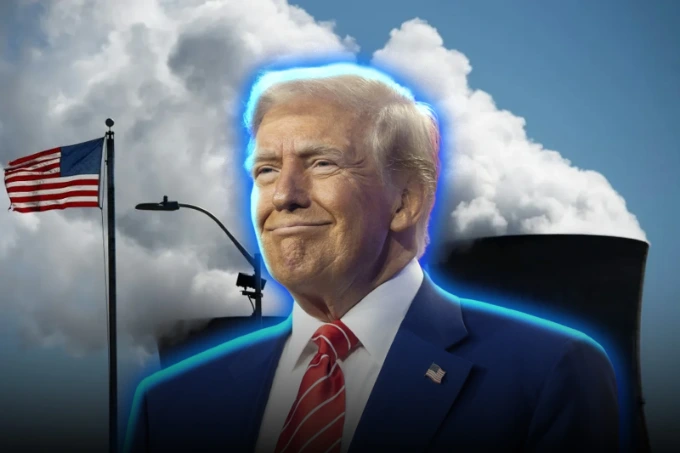

President Donald Trump celebrated on July 24 a new advance in the U.S. nuclear industry and highlighted the progress made by four private companies in the development of small modular nuclear reactors, a technology that his administration considers essential to regain the energy leadership of the United States and respond to the growing electricity consumption.
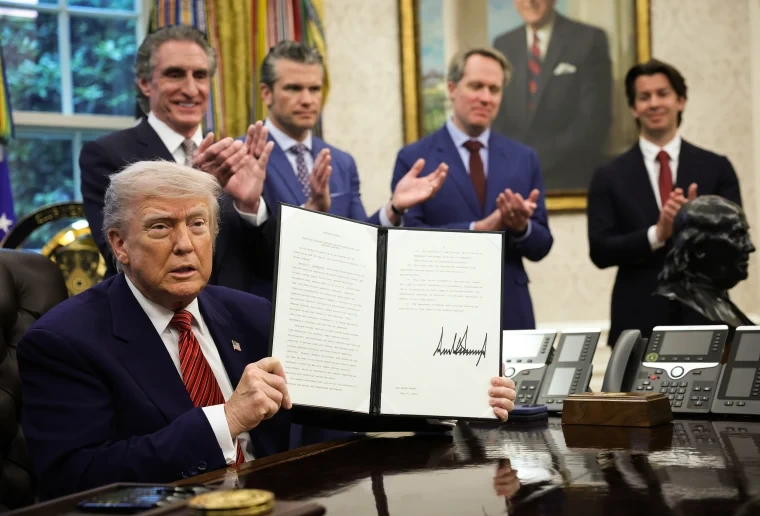
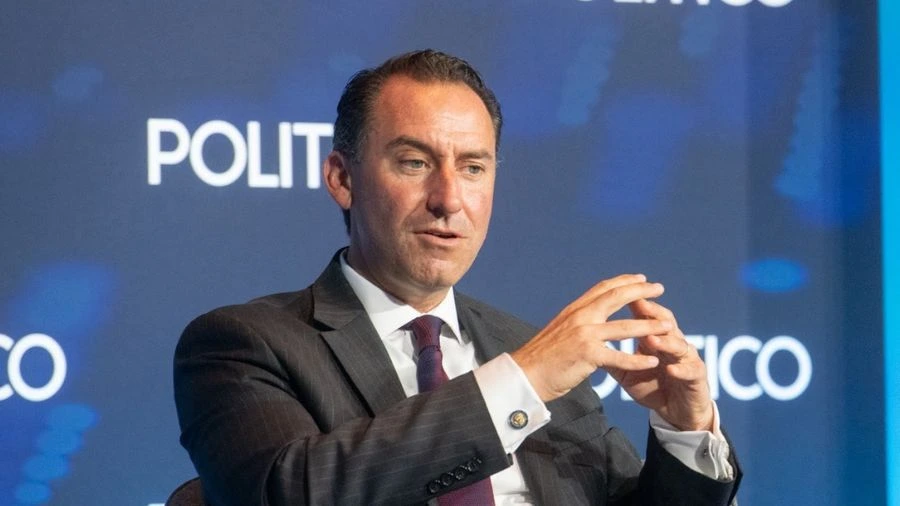
During an event at the White House accompanied by industry executives, Trump stated that the country is going through a historic moment for civil nuclear energy and assured that his policies are accelerating a transformation that had been considered difficult to achieve for years. The president had set a goal that, by July 4, the date of the 250th anniversary of the United States, at least three reactors would reach criticality, the point at which a self-sustaining nuclear reaction occurs.
However, four companies surpassed the presidential goal. ''Antares Nuclear'' was the first to reach the target on June 4 and plans to begin energy production in 2027, while contemplating military applications for 2028. ''Valar Atomics'' achieved criticality in mid-June with its ''Ward 250'' reactor, designed for future commercial, industrial, and data center applications that require an independent power source from the electrical grid.
''Deployable Energy'' reached the same milestone on June 30 with its ''Unity'' reactor, just five months after starting the project, and seeks to accelerate its deployment for 2028. Meanwhile, ''Aalo Atomics'' achieved criticality with its ''Aalo-X'' reactor on July 4, with plans to integrate it into data centers and begin energy production in 2027.
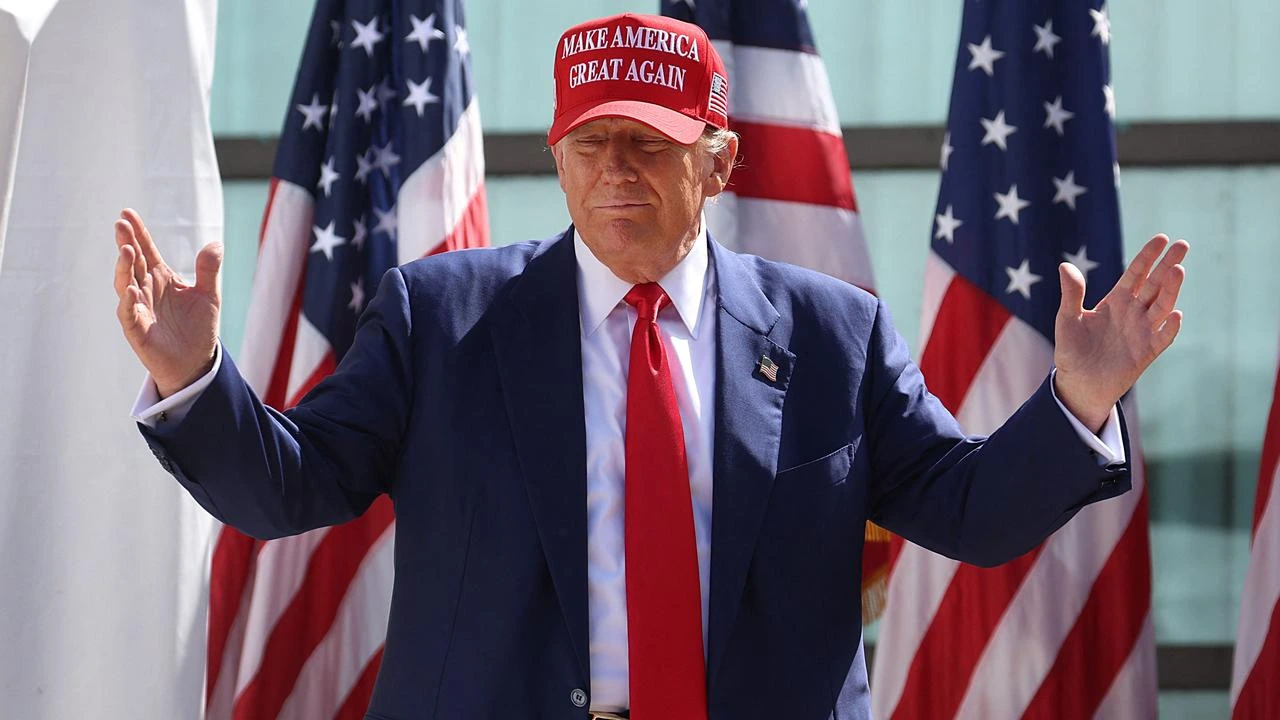
Trump presented these results as proof of the potential of the U.S. industry as the federal government reduces regulatory hurdles and encourages private investment. ''What we have done is practically a miracle,'' the president stated, highlighting that many considered it impossible to meet the goal within the established timeframe.
Administration officials also noted that these reactors represent a historic advance, as they would be the first privately funded nuclear developments in the United States since 1974. The announcement comes at a time when Washington seeks to reverse years of lost competitiveness against Russia and China, countries that have continued to expand their nuclear capabilities and infrastructure.
Trump defended his strategy as a bet to regain U.S. technological leadership. ''Now the United States is building again, the United States is dreaming again, and we are leading the world in the next generation of nuclear energy,'' he stated.