The company will be able to implement Mythos 5 only in agencies and companies designated by Washington
Nuevo
Agregar La Derecha Diario en
Compartir:
The administration of Donald Trump reached an agreement with Anthropic to allow the reactivation supervised use of Mythos 5, one of its most advanced artificial intelligence models, after restricting access for national security reasons.
The company confirmed that it will be able to implement the system in a limited group of U.S. organizations linked to the operation and protection of critical infrastructure. In practice, Washington has authorized the use of the tool, but under strict conditions and far from an open release to the general public.
The agreement requires the company to subject its models to a thorough audit.
The decision comes after an executive order from the Trump administration that mandated a review of licensing requirements and temporarily restricted the use of Anthropic's most powerful models. The central concern of the U.S. government is the potential misuse of these technologies in cybersecurity tasks, especially by hostile actors, hackers, or authoritarian regimes like China.
According to the company, Mythos 5 will be deployed in organizations that operate and protect critical infrastructure, while continuing collaborative work with the White House to gradually expand access to the model. Anthropic is also seeking to make Fable 5, another of its advanced systems, available for broader use.
The agreement marks a clear shift in Washington's technology policy. Until now, the Trump administration had maintained a favorable stance to preserve the competitive advantage of U.S. companies against the advance of the Chinese Communist Party. However, the Anthropic case has made it clear that the race for artificial intelligence cannot be separated from national security.
The U.S. orders the production chains that will underpin technological growth for the coming decades
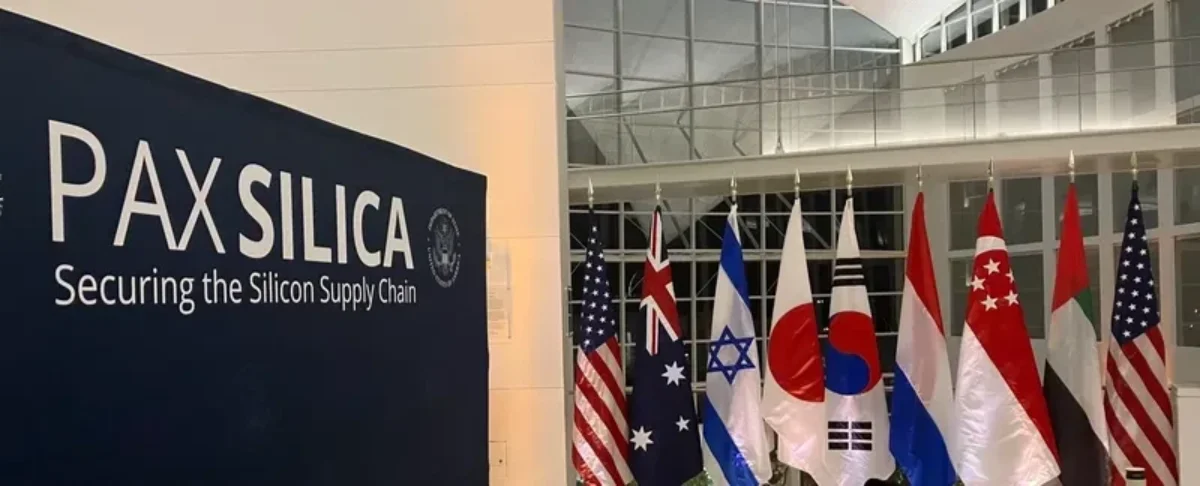
This same logic is reflected in initiatives like Pax Silica, the alliance promoted by the United States to secure supply chains related to artificial intelligence, critical minerals, energy, and advanced technologies, reducing Western dependence on China.
The company ultimately accepted a collaborative work scheme with the Trump administration to reactivate access in a limited and officially reviewed manner. Now, models capable of detecting cybersecurity vulnerabilities, automating sensitive tasks, or accelerating cybersecurity operations will have to undergo checks before becoming available without restrictions.