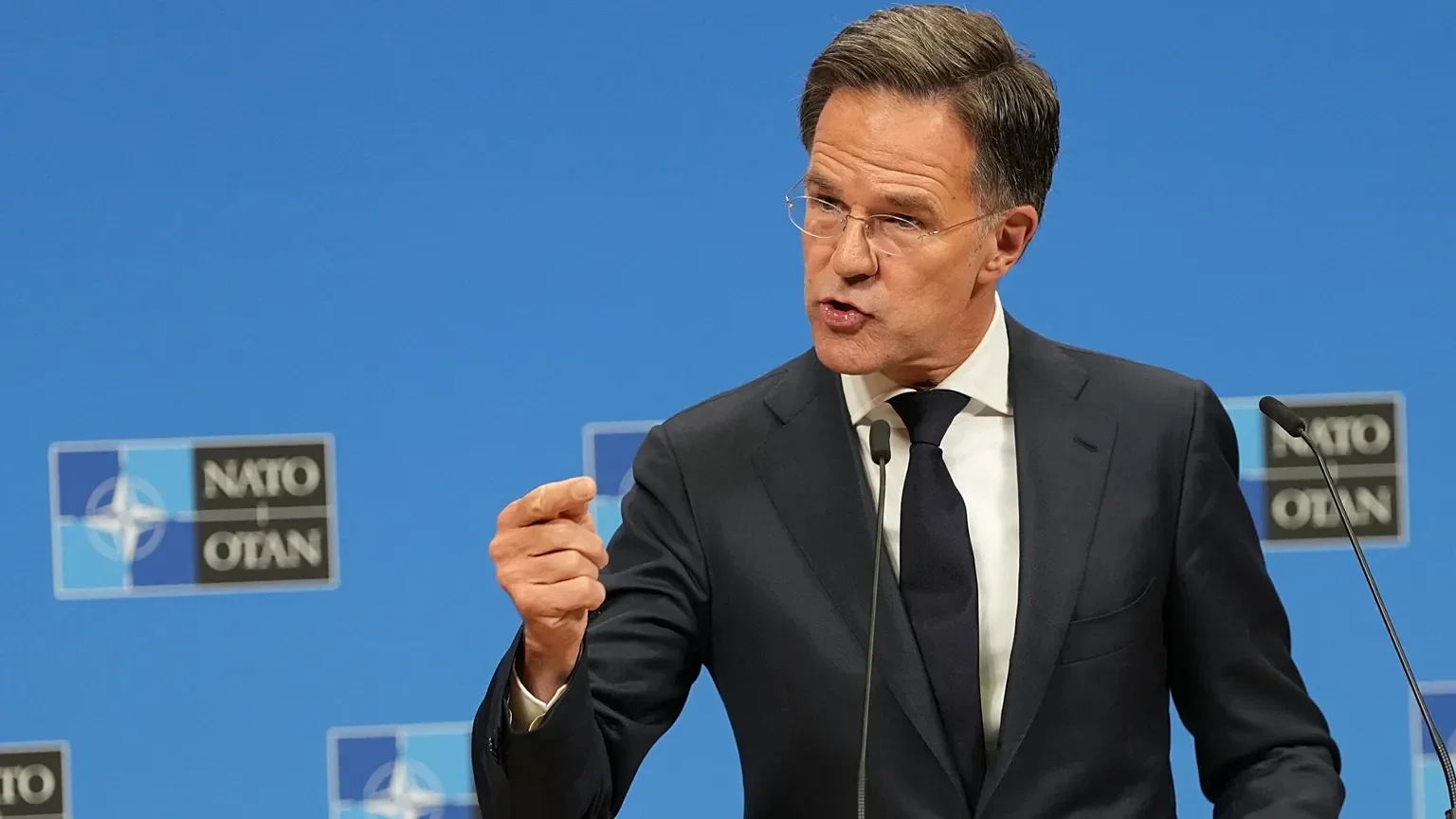











Regarding the international landscape, Rutte stated that Russia remains the primary threat to the alliance's security, both currently and in the long term. He explained that Moscow allocates more than 40% of its national budget to military spending and maintains a constant production of weapons to sustain its military capabilities.
The Secretary General also expressed concern about China's rapid military strengthening, noting that Beijing continues to expand its nuclear capabilities without sufficient transparency and invests enormous resources in new military technologies.
He added the ongoing development of North Korea's nuclear program and the military cooperation between Pyongyang and Moscow in the context of the war in Ukraine.
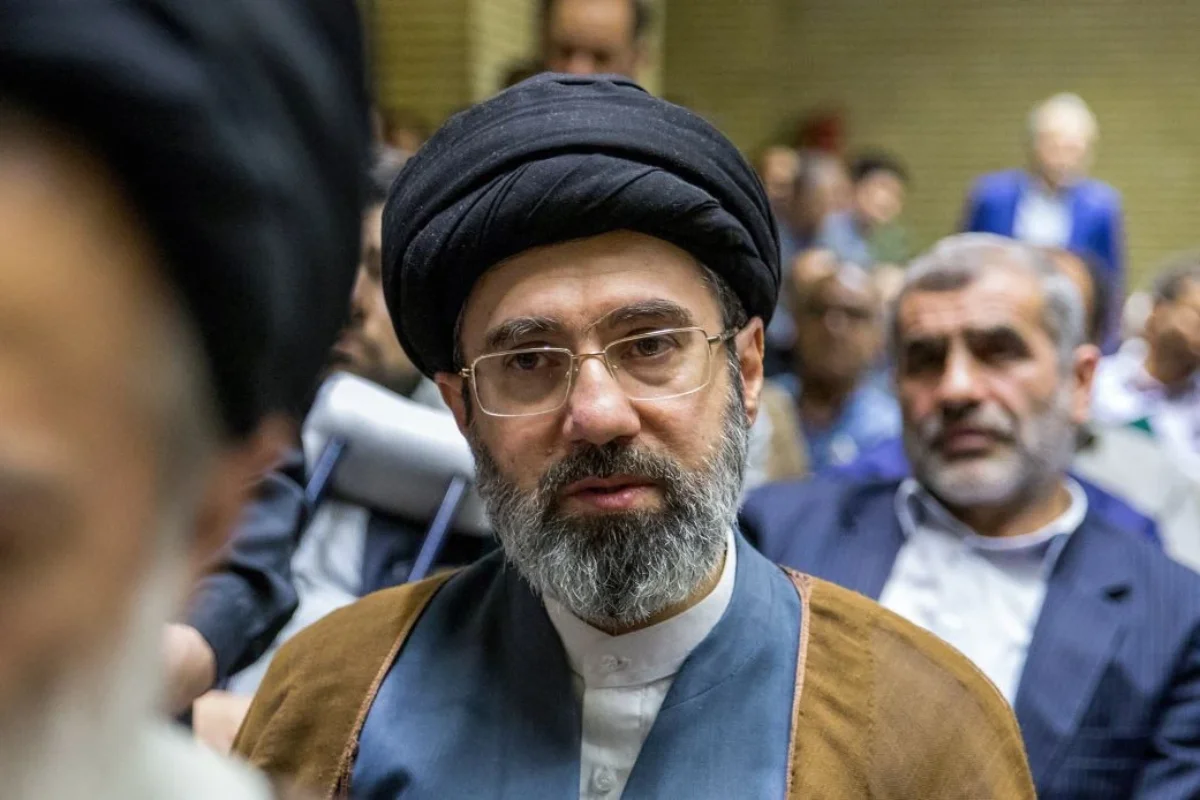
In relation to Iran, Rutte stated that recent U.S. military operations have considerably weakened the Iranian regime's nuclear and ballistic missile programs. However, he insisted that the international community must remain vigilant regarding the evolution of that threat.
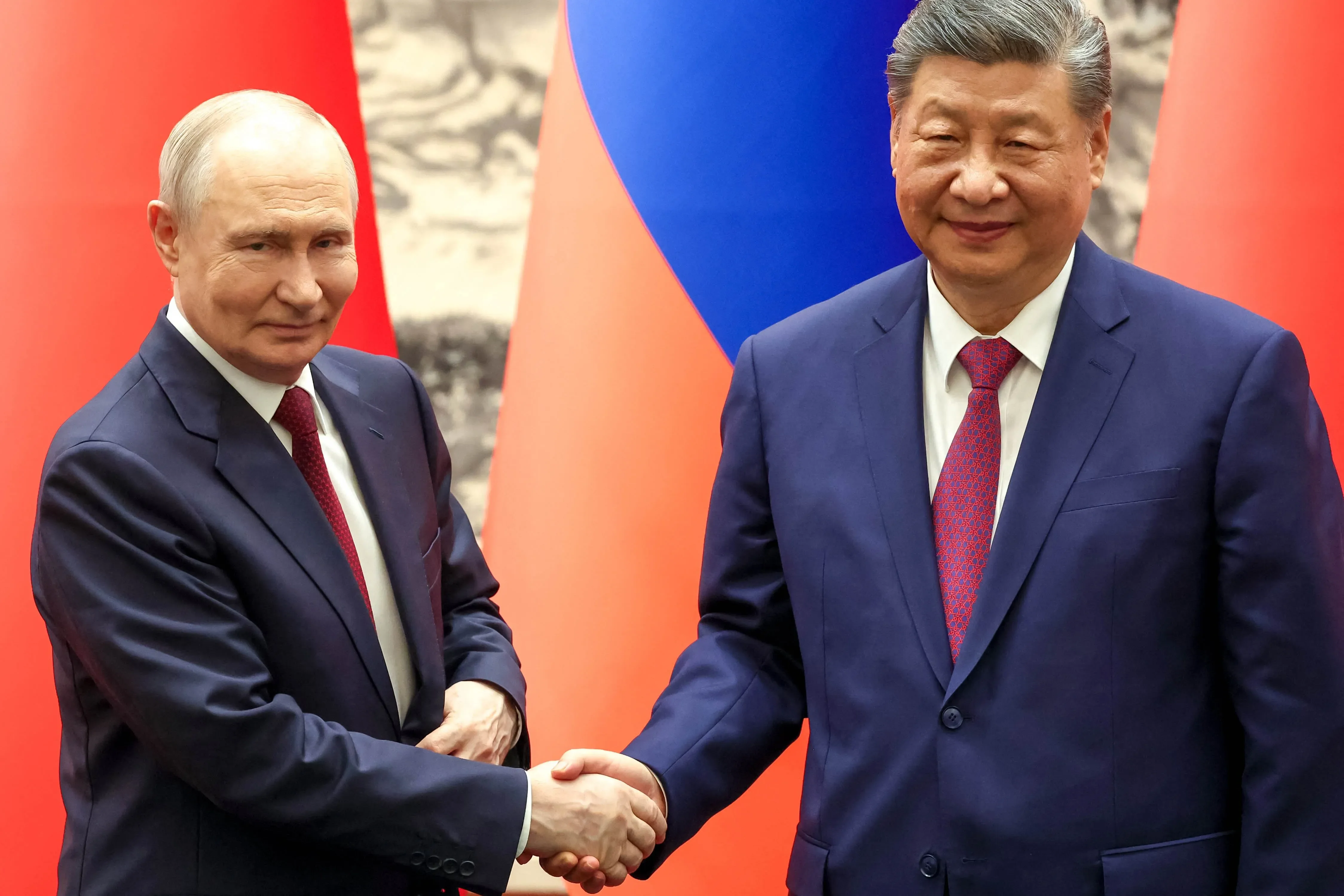
The Secretary General also warned that the growing cooperation between Russia, China, Iran, and North Korea represents a strategic challenge for the West, as these countries are increasingly strengthening their military and technological ties.
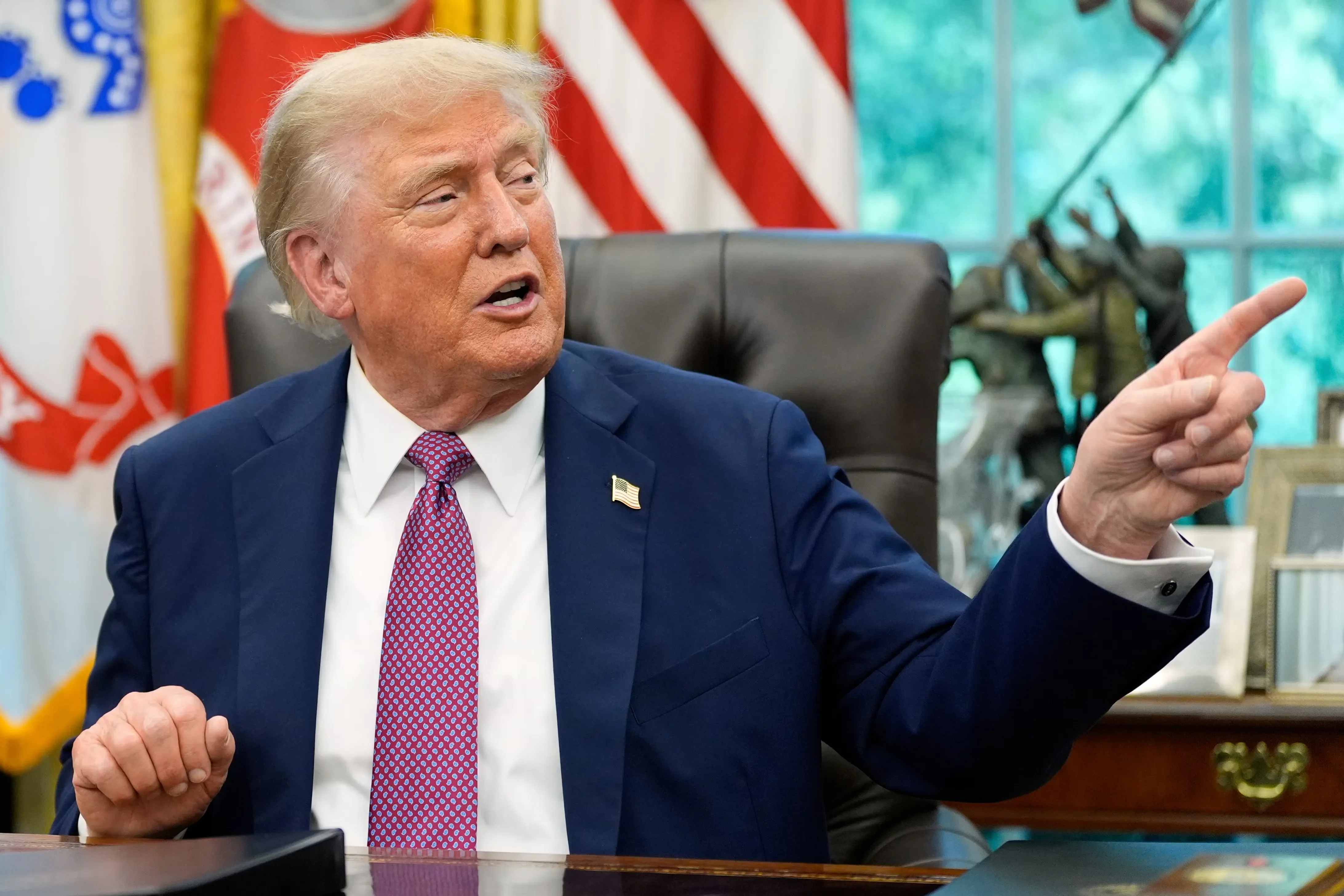
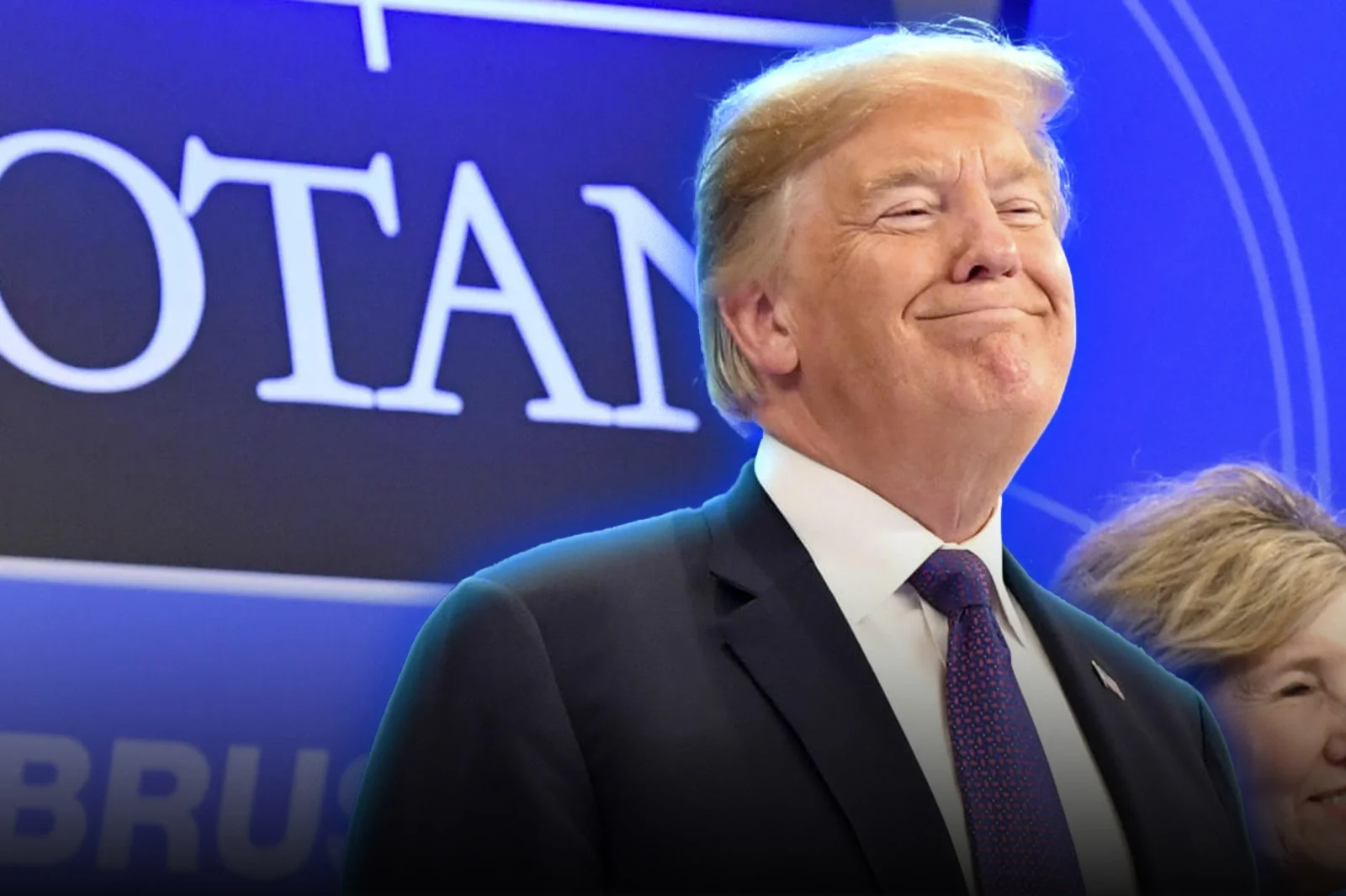
Finally, Rutte attributed much of the change in the allies' stance to the leadership of U.S. President Donald Trump. He recalled that since the time of President Dwight D. Eisenhower, several U.S. leaders have called for greater financial commitment from Europe, but he assured that it was Trump who managed to drive a concrete change in the distribution of responsibilities within NATO.