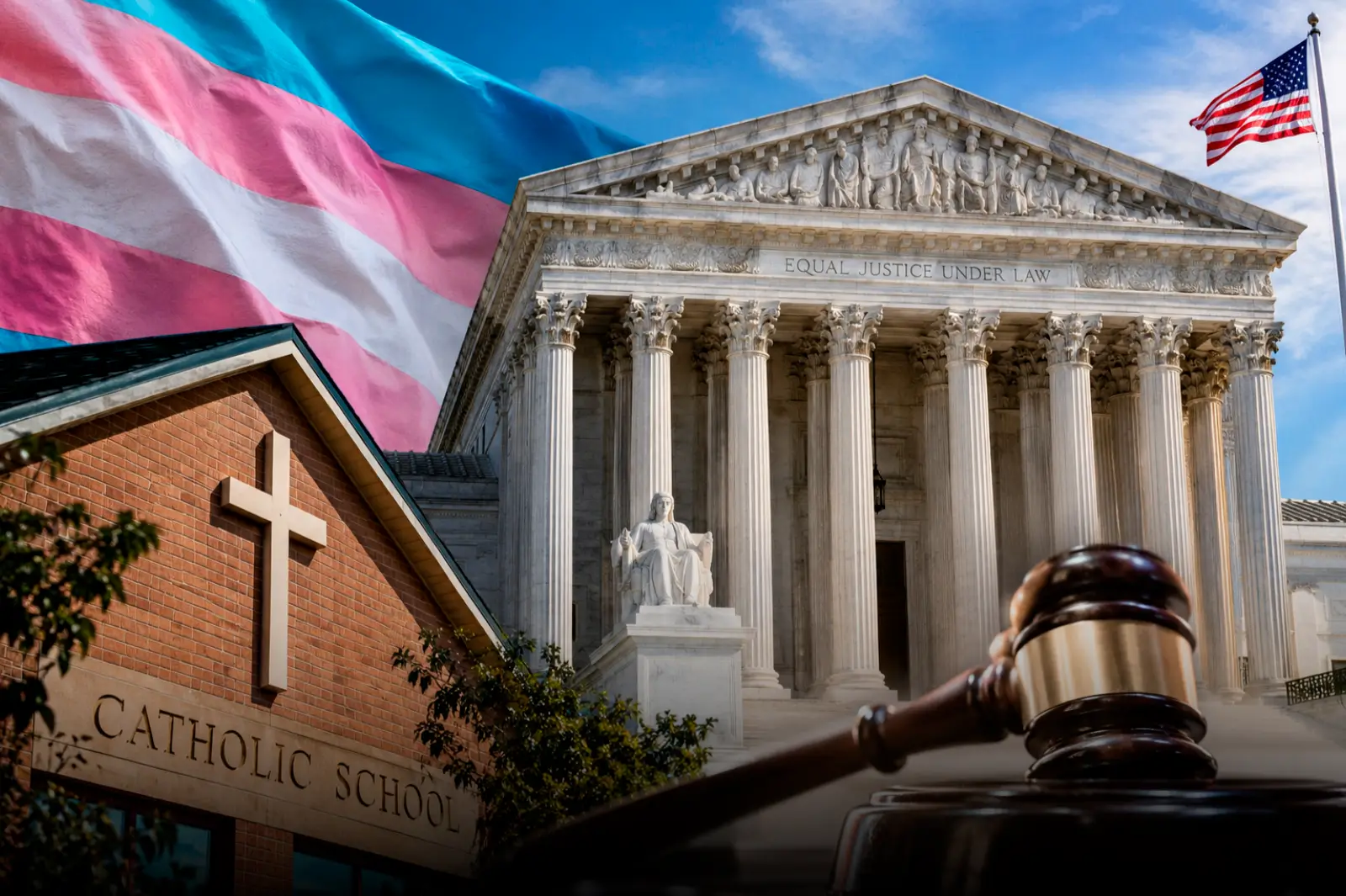






The Supreme Court of the United States showed signs on Tuesday of support for several Catholic institutions that challenged the conditions imposed by Colorado to participate in a public preschool education program. During a hearing, the conservative justices questioned whether the state forces religious centers to sign a non-discrimination commitment related to sexual orientation and ''gender identity'' of students and their parents, under the threat of excluding them from public funding.
The case pits religious freedom protected by the First Amendment against the state's anti-discrimination policies. At the center of the controversy is the ''Universal Preschool'' program, launched in 2023, which offers 15 hours a week of free preschool education to all four-year-old children in Colorado.
The initiative allows participation from public, private, and religious establishments, but requires that all sign an agreement committing to not condition the enrollment of minors on the sexual orientation or gender identity of their parents or the students themselves.
The Archdiocese of Denver and several Catholic parishes believe that this requirement violates their religious convictions and constitutes a form of discrimination against faith-based institutions. The argument is that the government cannot force them to abandon their doctrinal principles as a condition for accessing a public benefit available to other educational establishments.
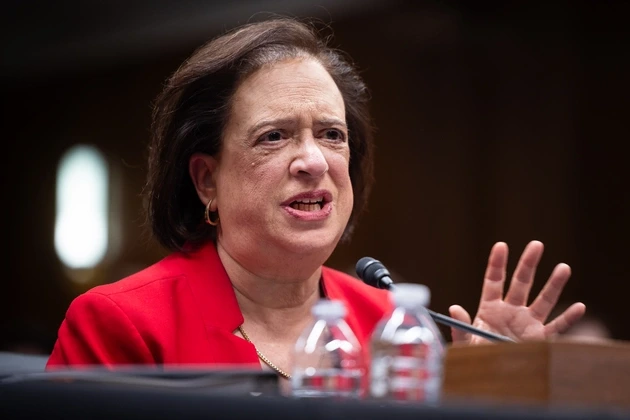
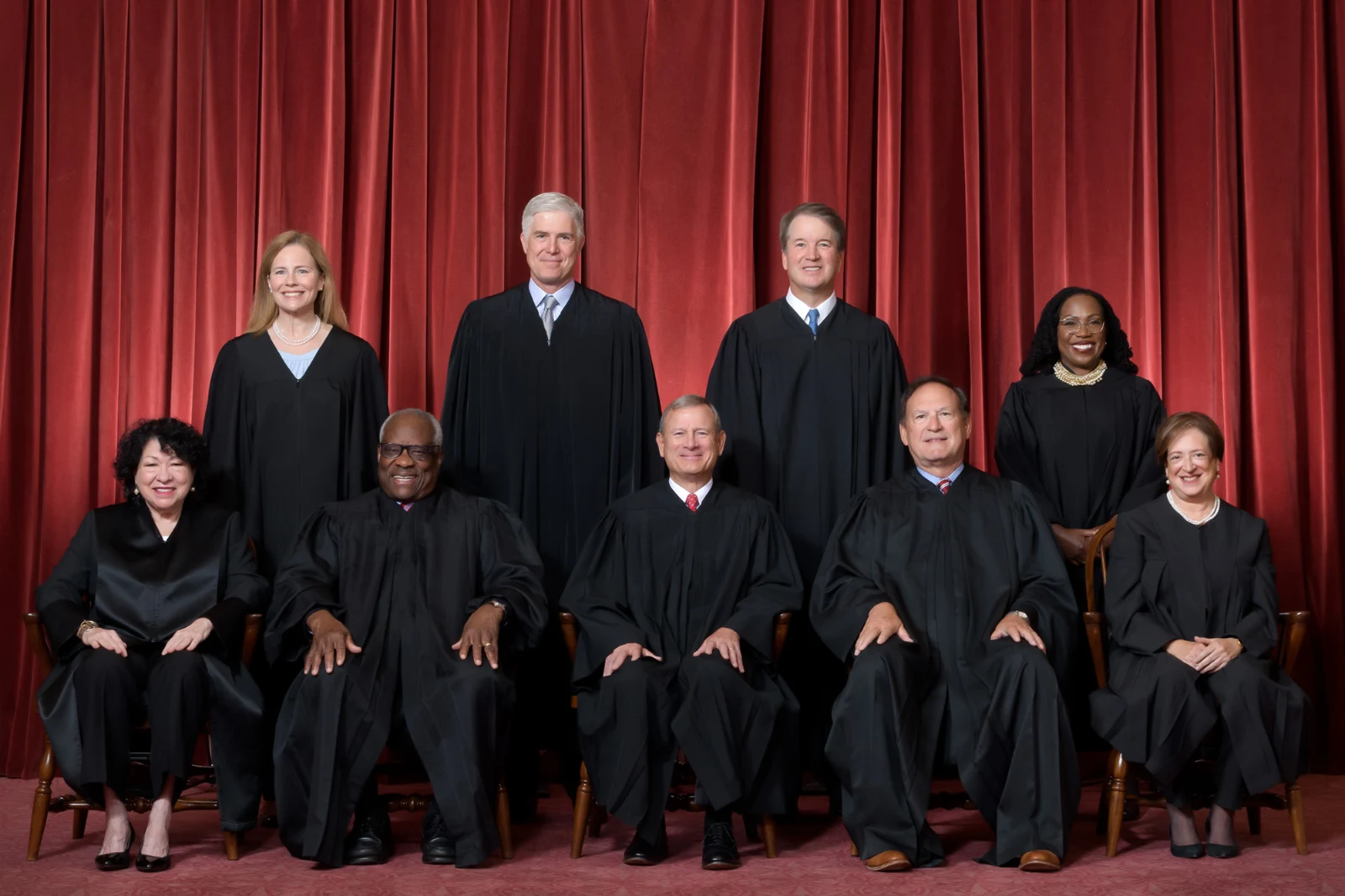
During the hearing, Justices Samuel Alito, Neil Gorsuch, Brett Kavanaugh, and Amy Coney Barrett questioned different aspects of the state regulation. The Chief Justice, John Roberts, also expressed doubts about the arguments from both sides, although he raised questions about the scope of the protection requested by the schools.
Gorsuch suggested that Colorado might be using an administrative requirement to evade previous Court decisions that protected religious institutions against restrictive state policies. ''The Constitution tends to deal with substances, not shadows and procedures,'' he noted.
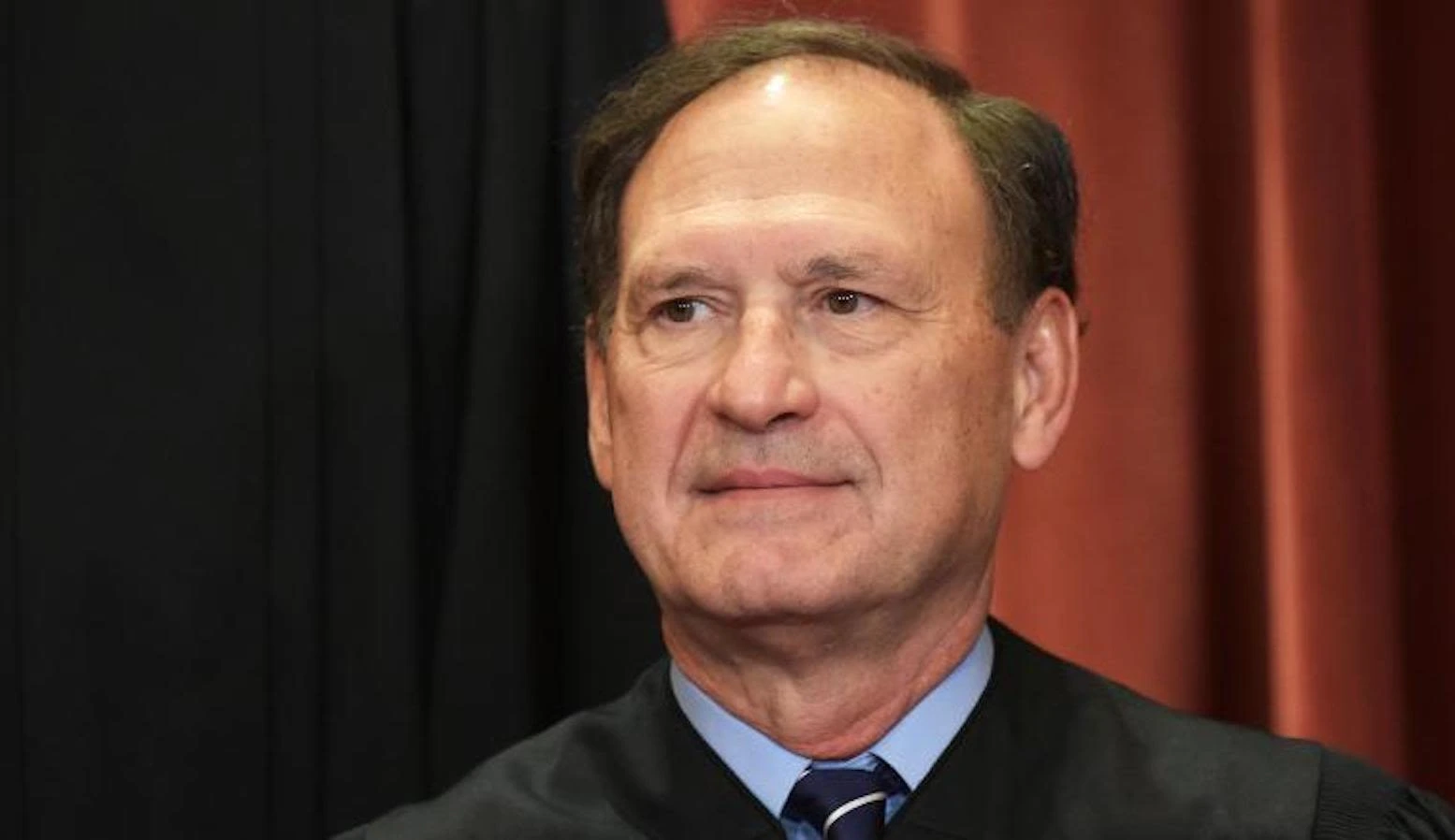
For his part, Kavanaugh questioned why the state allows centers to establish admission preferences for secular reasons, but does not contemplate an equivalent exception for religious institutions. ''You can have a vegetarian school, but you can't have a Catholic school,'' he stated.
Barrett also doubted Colorado's justification and noted that she found it hard to imagine that the regulation served any purpose other than to affect religious establishments.
The legal controversy revolves around two precedents from the Supreme Court. In ''Sherbert v. Verner'' (1963), the highest court established that the government cannot withdraw public benefits from a person because of their religious practices, unless it demonstrates a sufficiently strong justification. In contrast, in the ruling ''Employment Division v. Smith'' (1990), it determined that neutral and generally applicable laws can be upheld even when they affect certain religious beliefs.